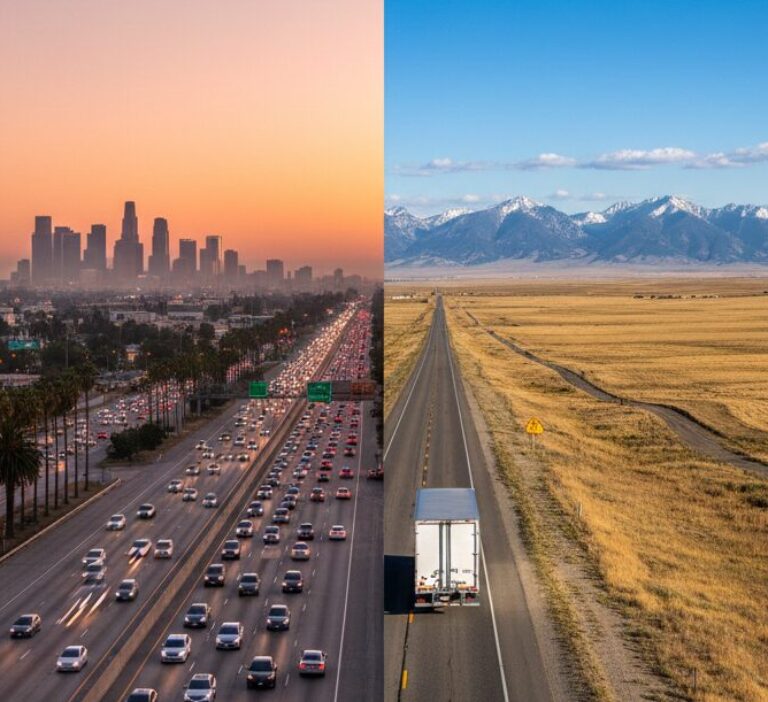
The debate over the Wyoming vs Colorado cost of living has reached a fever pitch as we move through 2026. For decades, Colorado was the undisputed king of the Mountain West, offering a mix of metropolitan buzz and alpine beauty that seemed worth every penny of its rising price tag. However, the economic climate has shifted. With inflation cooling but prices remaining sticky, many families and professionals are looking just across the border to the north. Wyoming, once seen merely as Colorado’s quiet neighbor, is now standing out as a powerhouse of affordability and tax efficiency.
Deciding to relocate involves financial and lifestyle changes, and understanding the realities of moving to Wyoming can help you prepare for the transition.
Deciding to uproot your life is never simple, especially when you are weighing the vibrant culture of the Front Range against the rugged, tax-friendly plains of the Cowboy State. The real question for 2026 is no longer just about the scenery; it is about where your paycheck actually has the power to build a future. In this guide, we dive deep into the data to see if trading the Centennial State for the Equality State is the financial breakthrough you have been waiting for.
The Tax Advantage: Wyoming’s Secret Weapon
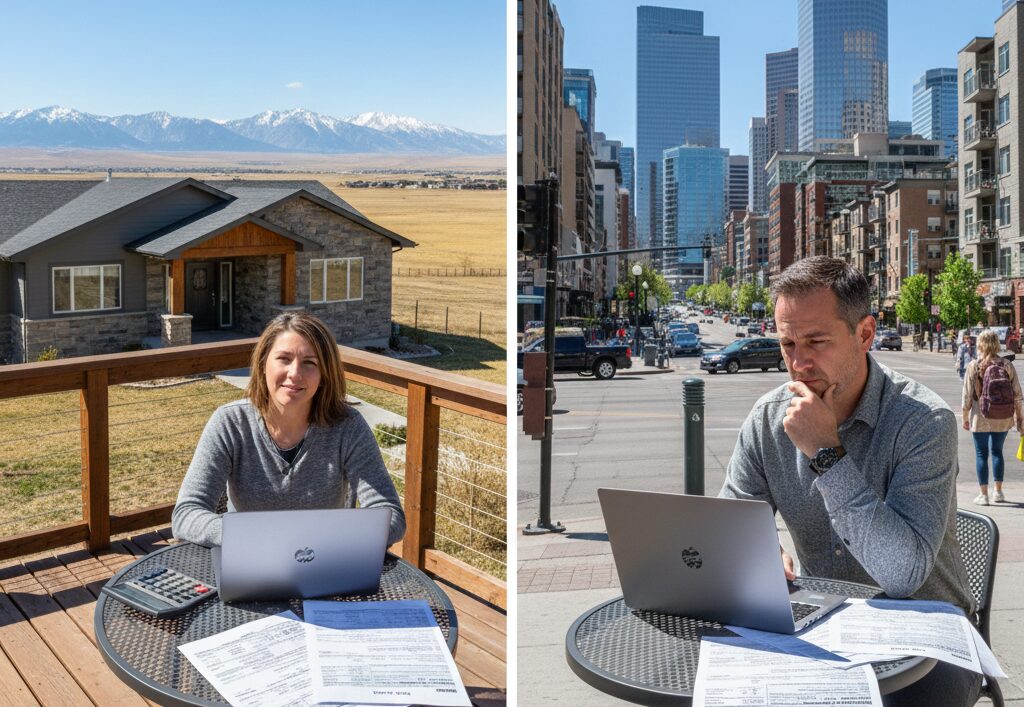
When comparing the Wyoming vs Colorado cost of living, the conversation almost always starts with taxes. Wyoming remains one of the few states in the nation with no state income tax. In 2026, this is a massive differentiator. For a household earning $100,000, staying in Colorado means losing roughly $4,400 annually to state income taxes alone. Over a decade, that is $44,000, plus interest, that could have been in your savings or retirement account.
Colorado’s tax structure has also become more complex. While the state once boasted a flat tax, various local levies and high sales taxes in cities like Denver or Boulder can eat away at your purchasing power. Wyoming’s sales tax is generally lower, and the state’s reliance on mineral royalties instead of citizen income creates a unique environment where the government asks for less from your wallet. For remote workers or business owners, this single factor often tips the scales in the Wyoming vs Colorado cost of living debate.
Housing Market Realities in 2026

The most visible gap in the Wyoming vs Colorado cost of living is found in real estate. Colorado has faced a persistent housing shortage that has kept prices elevated even as interest rates fluctuated. As of early 2026, the median home price in Colorado’s popular metros often hovers well above $600,000. In contrast, Wyoming offers a much more approachable entry point for homeowners.
Housing affordability trends from recent U.S. Census housing data show significant regional price differences across western states.
In Cheyenne, for instance, you can often find a spacious family home for significantly less than a comparable property in Fort Collins or Greeley. This price difference allows buyers to secure more acreage or higher-end finishes for the same monthly mortgage payment. If you are curious about specific local values, a look at the cost of living in Cheyenne WY reveals a market that is far more resilient and accessible for the middle class. While Colorado homes may appreciate faster in some high-demand pockets, the initial cost of entry in Wyoming is a major win for your debt-to-income ratio.
Utilities and Everyday Expenses

Many people focus on the big numbers, but the Wyoming vs Colorado cost of living is also defined by the small, recurring bills. Utilities in Wyoming tend to be slightly lower than in Colorado, partly due to the state’s energy-rich resources. Heating a home during a Rocky Mountain winter is no small feat, and every dollar saved on natural gas or electricity adds up.
Groceries and general goods also show a slight favor toward Wyoming. While supply chain issues affect everyone, the lack of high-density urban “premiums” in Wyoming cities helps keep the price of a gallon of milk or a loaf of bread more stable. When you calculate the Wyoming vs Colorado cost of living across a full year of grocery trips, the savings can easily cover a family vacation or a significant home upgrade.
Lifestyle and Career Opportunities
You cannot discuss the Wyoming vs Colorado cost of living without mentioning the “lifestyle tax.” Colorado offers world-class ski resorts, professional sports teams, and an endless array of concerts and dining. However, these amenities come with high parking fees, traffic congestion, and expensive tickets. Wyoming offers a different kind of luxury: space.
The “cost” of living in Wyoming often includes a trade-off in terms of immediate access to massive shopping malls or major international airports. However, for many moving in 2026, the absence of a two-hour commute is a form of wealth that money can’t buy. If you are considering making the jump, exploring the pros and cons of living in Wyoming is essential to ensure the slower pace and windier winters align with your personal goals.
The Commuter’s Compromise
A growing trend in 2026 is the “border hopper”, someone who works in Northern Colorado but lives in Wyoming to take advantage of the Wyoming vs Colorado cost of living disparity. Cheyenne is only about 45 minutes from Fort Collins, making it a viable commute for those who only need to be in the office a few days a week.
This strategy allows you to earn a Colorado-level salary while paying Wyoming-level housing prices and zero state income tax. However, you must account for transportation costs. Gas prices and vehicle wear and tear are part of the Wyoming vs Colorado cost of living equation. Even with those costs factored in, the sheer savings on a $400,000 mortgage versus a $650,000 mortgage usually make the commute a profitable venture.
Education and Healthcare
For families, the Wyoming vs Colorado cost of living must include a look at schools and medical care. Wyoming historically spends more per pupil on education than many of its neighbors, thanks again to those mineral royalties. This means modern facilities and smaller class sizes without the high property tax rates seen in Colorado’s top-tier school districts.
Healthcare is a bit more nuanced. While Wyoming has excellent facilities in its major hubs, specialized care may require a trip to Denver’s medical centers. This potential for travel should be budgeted into your Wyoming vs Colorado cost of living forecast if you have specific medical needs. However, for the average healthy family, the local options in Cheyenne or Casper are more than adequate and often more personal.
Real Estate Investment Potential
Investors are also weighing the Wyoming vs Colorado cost of living as they look for where to park their capital. Colorado’s market is mature and high-priced, which can make it difficult to find properties that have cash flow well as rentals. Wyoming’s lower entry prices mean that the rent-to-price ratio is often more favorable for landlords.
If you are looking to enter the market, understanding the Wyoming real estate market trends for 2026 is vital. With more remote workers moving into the state, the demand for quality rentals and single-family homes is rising, providing a solid foundation for long-term equity growth. The Wyoming vs Colorado cost of living advantage isn’t just for residents; it’s a beacon for savvy investors looking for stability.
Environmental Factors and Extra Costs
Every location has its “hidden” costs. In Colorado, you might pay more for HOA fees or “wildfire insurance” in certain mountain zones. In Wyoming, the Wyoming vs Colorado cost of living includes higher maintenance for vehicles due to the wind and winter road salt. You might also find yourself spending more on high-quality winter gear.
While these aren’t deal-breakers, they are the small details that make the Wyoming vs Colorado cost of living comparison accurate. Wyoming’s wide-open spaces mean you’ll likely drive more miles than you would in a walkable Denver neighborhood. Calculating your annual mileage and fuel consumption is a smart move before finalizing your relocation budget.
Is the Move Finally Worth It?
In 2026, the financial argument for Wyoming is stronger than it has been in decades. The Wyoming vs Colorado cost of living gap has widened as Colorado’s infrastructure and housing costs have outpaced median wage growth. For a family looking to own their first home, a retiree wanting to protect their nest egg from state taxes, or a remote worker seeking peace and quiet, Wyoming offers a compelling case.
The move is “worth it” if you value financial freedom over metropolitan convenience. If having an extra $500 to $1,000 in your pocket every month sounds better than being 15 minutes away from a professional stadium, then the Wyoming vs Colorado cost of living math points squarely toward the north. Wyoming isn’t just a place to save money; it’s a place to reclaim your time and your peace of mind.
FAQs
Which state has lower property taxes?
Wyoming generally has significantly lower property taxes than Colorado. On average, Wyoming’s effective property tax rate is around 0.61%, while Colorado’s can be slightly higher depending on the specific county and local millage rates for schools and services.
How much can I save on income tax by moving to Wyoming?
Since Wyoming has 0% state income tax and Colorado has a flat tax of roughly 4.4%, a person earning $80,000 would save approximately $3,520 per year just on that single tax line.
Is housing really cheaper in Wyoming?
Yes. While luxury markets like Jackson Hole are outliers, the Wyoming vs Colorado cost of living in terms of housing shows that cities like Cheyenne or Casper offer median home prices that are 20% to 30% lower than those in the Denver or Boulder areas.
Are groceries more expensive in Wyoming due to its rural nature?
Generally, no. While some specific items may fluctuate, the overall cost of groceries is comparable. The lack of a high “city tax” on prepared foods and general goods often makes the total receipt at a Wyoming checkout slightly lower.
What is the biggest “hidden cost” of living in Wyoming?
The wind and winter weather are the biggest factors. This can lead to higher heating bills in the winter and more frequent maintenance for your car’s alignment or windshield due to road conditions and gravel.
Conclusion
Navigating the Wyoming vs Colorado cost of living requires looking past the surface. It is easy to be dazzled by Colorado’s skyline or Wyoming’s mountain ranges, but your bank account cares about the details. As we head further into 2026, the Equality State’s lack of income tax and its accessible housing market make it a top contender for anyone looking to maximize their quality of life. Colorado remains a beautiful and vibrant place, but for many, the cost of that vibrancy has become a barrier to traditional success. By choosing to move across the border, you aren’t just changing your zip code; you are giving yourself a permanent raise. The math is clear: for those who prioritize long-term savings and equity, the move to Wyoming has never been more attractive.