The Wyoming real estate market continues to draw attention from buyers, sellers, and investors looking for stability, affordability, and long-term opportunity. While coastal markets deal with volatility and rising costs, Wyoming offers something different. Lower population density, steady demand, and practical housing options make it appealing for people at many stages of life.
Understanding how the Wyoming real estate market works is essential before making any decisions. Market conditions vary by region, price range, and property type. Buyers want to know when to act and where to focus. Sellers want to understand pricing strategies and timing. This guide breaks down what is happening now, what trends are shaping the market, and how both sides can navigate it confidently.
Overview of the Wyoming Real Estate Market
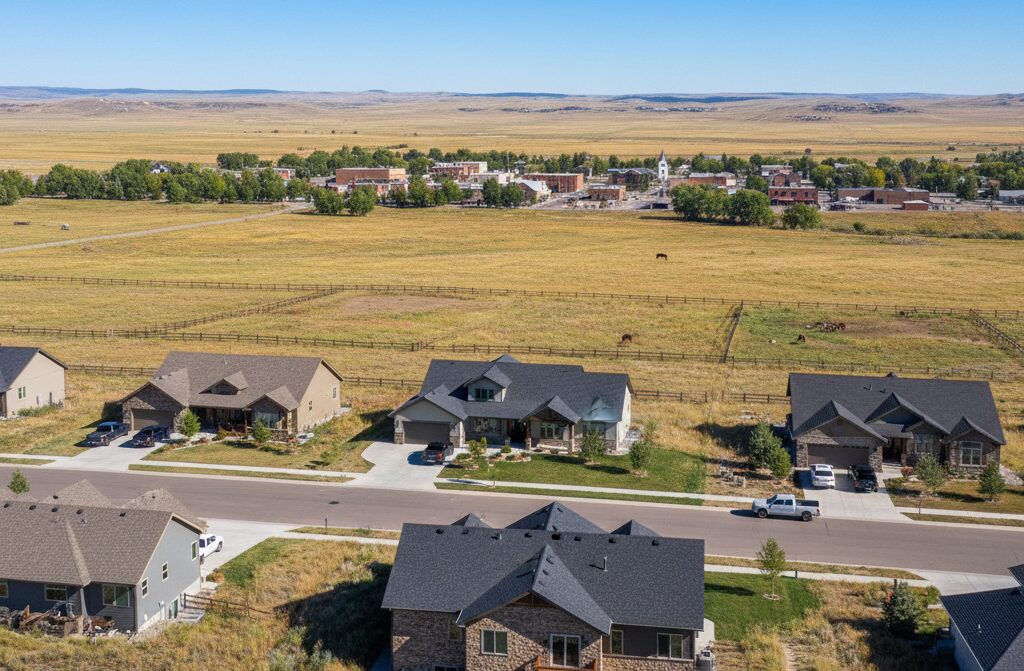
At a statewide level, the Wyoming real estate market is known for consistency rather than extreme swings. Prices tend to rise at a measured pace, and inventory moves slower than in high-population states. This creates a balanced environment where informed decisions matter more than speed.
Cheyenne remains one of the most active hubs due to employment opportunities, transportation access, and community growth. Smaller towns and rural areas also attract buyers looking for land, second homes, or relocation options. Across the board, buyers value space, privacy, and predictable ownership costs.
Economic stability plays a large role here. Wyoming’s tax-friendly policies and limited development pressure help maintain long-term value, which continues to influence buyer confidence.
Current Housing Trends Across Wyoming
Housing trends across the state show steady demand for single-family homes, especially those priced within reach of first-time buyers. New construction is present but limited, which keeps existing inventory relevant and competitive.
In the Wyoming real estate market, homes tend to stay listed longer than in overheated regions, but well-priced properties still attract serious interest. Buyers are more selective and value condition, location, and long-term livability over short-term speculation.
Reviewing recent Cheyenne property market updates helps buyers and sellers track how inventory and pricing are shifting at the city level.
Rural and semi-rural properties have gained attention from buyers seeking lifestyle changes. Remote work flexibility has increased interest in communities that offer lower congestion and open land without sacrificing essential services.
Buyer Behavior and Motivations
Buyers entering the Wyoming real estate market often have clear priorities. Many are relocating from higher-cost states and are drawn to affordability and space. Others are Wyoming residents upgrading or downsizing based on lifestyle needs.
First-time buyers tend to focus on predictable expenses, including property taxes and maintenance. This makes Wyoming attractive because ownership costs are easier to forecast compared to volatile urban markets.
Some buyers also explore land purchases or homes with acreage, especially around Cheyenne and surrounding communities. Interest in residential properties remains strong, particularly among buyers planning long-term residency.
What Sellers Need to Know Right Now
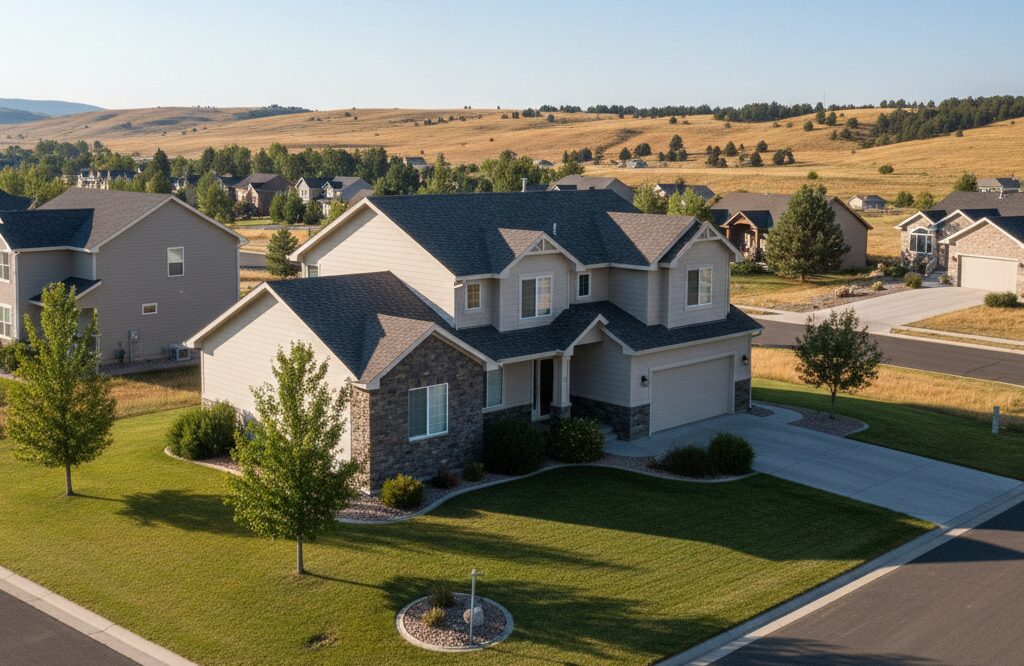
Sellers in the Wyoming real estate market benefit from realistic pricing and strong presentation. While demand is steady, buyers are informed and patient. Homes that are priced too aggressively often sit longer and require reductions.
Condition matters. Sellers who invest in basic updates and maintenance often see better results. Clean inspections and clear disclosures help build buyer trust, which is especially important in markets where relationships and reputation carry weight.
Those considering listing should also understand local timing. Seasonal trends influence activity, with spring and early summer typically generating more interest from buyers.
Cheyenne’s Role in the Statewide Market
Cheyenne plays a significant role in shaping the Wyoming real estate market. Its position as the state capital brings employment stability, infrastructure investment, and consistent housing demand. Buyers often see Cheyenne as a practical entry point into the state.
Buyers often compare statewide trends with Cheyenne real estate market conditions to better understand how pricing and demand differ across Wyoming’s most active housing hub.
Market activity in the city reflects broader trends while maintaining its own character. Neighborhood selection, pricing strategy, and long-term growth potential all factor into decision-making here. Insights into Cheyenne’s conditions can be explored further through local market analysis such as Cheyenne real estate market trends, which provide deeper context for buyers and sellers.
Residential vs Commercial Property Trends
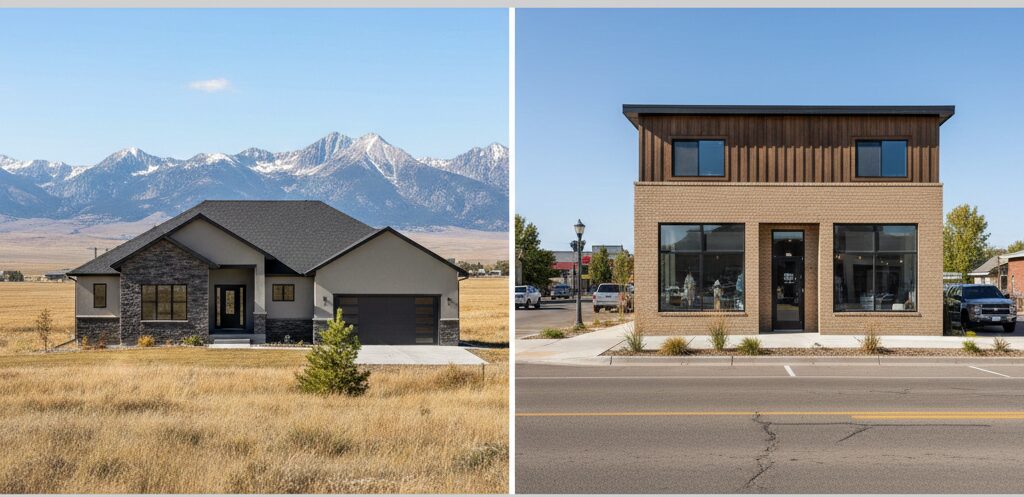
Residential properties dominate activity in the Wyoming real estate market, but commercial real estate remains an important segment. Small retail spaces, mixed-use buildings, and office properties continue to attract interest from local business owners and investors.
Residential buyers focus on livability, while commercial buyers evaluate income potential and location visibility. Both segments benefit from Wyoming’s stable economic environment and lower operational costs compared to neighboring states.
Understanding which segment aligns with your goals helps narrow opportunities and avoid misaligned investments.
Investment Opportunities and Risks
Investors view the Wyoming real estate market as a long-term play rather than a quick flip environment. Rental demand exists, especially in areas tied to employment centers and educational institutions. However, success depends on careful property selection and realistic cash flow expectations.
Appreciation tends to be steady rather than explosive. This appeals to investors seeking lower risk and predictable returns. Those interested in deeper analysis of investor demand may find value in resources discussing why Cheyenne appeals to investors, which highlights the local dynamics influencing returns.
Risks include limited liquidity in certain rural areas and longer resale timelines. Investors who plan accordingly and focus on quality locations often mitigate these concerns.
Pricing Trends and Affordability
Affordability remains one of the defining features of the Wyoming real estate market. Compared to national averages, home prices are more accessible, especially for buyers relocating from larger metros.
Pricing growth has been gradual. This helps protect buyers from sharp corrections while giving sellers confidence in long-term value. Buyers who enter the market with realistic expectations often find opportunities that align with both budget and lifestyle goals.
Affordability also supports sustained demand, as homes remain within reach for local residents rather than being priced out by speculative buyers.
The Role of Relocation and Migration
Migration patterns continue to shape the Wyoming real estate market. New residents arrive for work opportunities, retirement, or lifestyle changes. Many are drawn to Wyoming’s open spaces, slower pace, and financial advantages.
Relocation activity contributes to steady housing demand, particularly in cities with established services. Buyers unfamiliar with local conditions benefit from working with professionals who understand neighborhood differences and market timing.
Migration trends suggest continued interest rather than sudden surges, reinforcing the state’s reputation for stability.
Market Timing for Buyers and Sellers
Timing plays a role, but it is less dramatic in the Wyoming real estate market than in volatile regions. Buyers benefit from monitoring inventory levels and interest rate changes rather than trying to predict sharp price drops.
Sellers gain the most by listing when inventory is balanced and buyer activity is consistent. Overpricing can lead to extended days on market, while fair pricing often attracts serious offers.
Understanding local market cycles helps both sides make confident decisions without unnecessary pressure.
Financing and Ownership Considerations
Financing options in Wyoming are similar to those in other states, but ownership costs often differ. Property taxes tend to be manageable, and insurance rates are generally predictable.
Buyers should factor in long-term affordability, especially when purchasing land or properties requiring additional development. Careful planning ensures ownership remains sustainable beyond the initial purchase.
Local market knowledge helps buyers align financing choices with realistic expectations.
Long-Term Outlook for Wyoming Real Estate
Looking ahead, the Wyoming real estate market is expected to remain steady rather than speculative. Growth is supported by consistent demand, controlled development, and economic fundamentals.
National housing forecasts from HUD indicate that smaller, stable markets like Wyoming are better positioned to avoid extreme price volatility seen in larger metro areas.
Population growth may remain modest, but quality of life continues to attract new residents. This balance supports sustainable price appreciation and market resilience.
Buyers and sellers who focus on long-term value rather than short-term trends are better positioned for success.
FAQs
Is the Wyoming real estate market good for first-time buyers?
Yes, many first-time buyers find Wyoming accessible due to lower home prices and manageable ownership costs compared to national averages.
Do homes sell quickly in Wyoming?
Homes typically sell at a steady pace rather than instantly. Well-priced properties in desirable locations attract the most interest.
Is Wyoming a good state for real estate investment?
Wyoming can be a good option for long-term investors seeking stability, predictable returns, and lower risk.
How does Wyoming compare to neighboring states?
Wyoming generally offers lower prices, less congestion, and slower but steadier appreciation compared to nearby markets.
Are rural properties harder to sell?
Rural properties can take longer to sell, but they appeal to specific buyers seeking land and privacy.
Conclusion
The Wyoming real estate market offers a balanced environment for buyers and sellers who value stability, affordability, and long-term potential. While it may not deliver rapid swings or speculative gains, it provides consistency that many markets lack.
Buyers benefit from predictable pricing and lifestyle flexibility. Sellers succeed by pricing realistically and understanding local demand. Whether entering the market for the first time or planning a move, informed decisions make all the difference.
As Wyoming continues to attract residents seeking space and financial practicality, the market remains positioned for steady growth and sustainable opportunity.