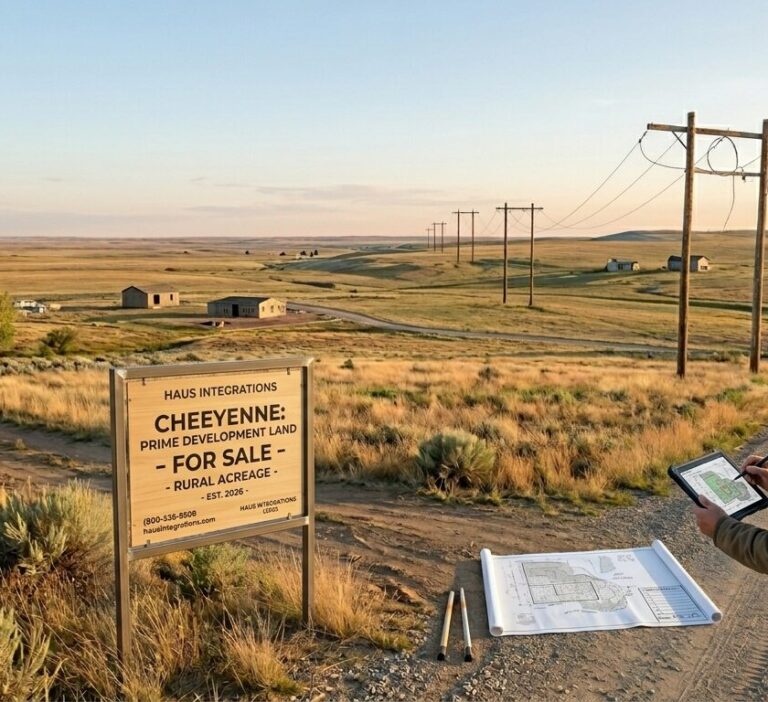
The year 2026 has brought about a significant amount of conversation regarding wealth preservation and the efficiency of the tax code. For those involved in the property market, the focus is often on how much of their profit they actually get to keep after a sale. In many parts of the United States, high state-level levies can eat away at a large portion of an investor’s return. However, the situation in the Equality State is vastly different. Understanding the nuances of Wyoming Capital Gains Tax Real Estate is essential for anyone looking to maximize their portfolio’s growth. Because Wyoming remains one of the few states with no personal or corporate income tax, the financial advantages for property owners are substantial.
Investing in land or buildings is not just about the purchase price; it is about the exit strategy. When you decide to sell a property that has appreciated in value, you are typically looking at a capital gain. In most states, you would owe a percentage of that gain to the state government in addition to what you owe the federal government. For those utilizing Wyoming Capital Gains Tax Real Estate strategies, that state-level burden is effectively zero. This lack of state income tax applies to both residents and non-residents who hold property within the state borders. This creates a powerful incentive to reinvest capital back into the local market rather than losing it to a state treasury.
The Foundation of Wyoming’s Tax Advantage
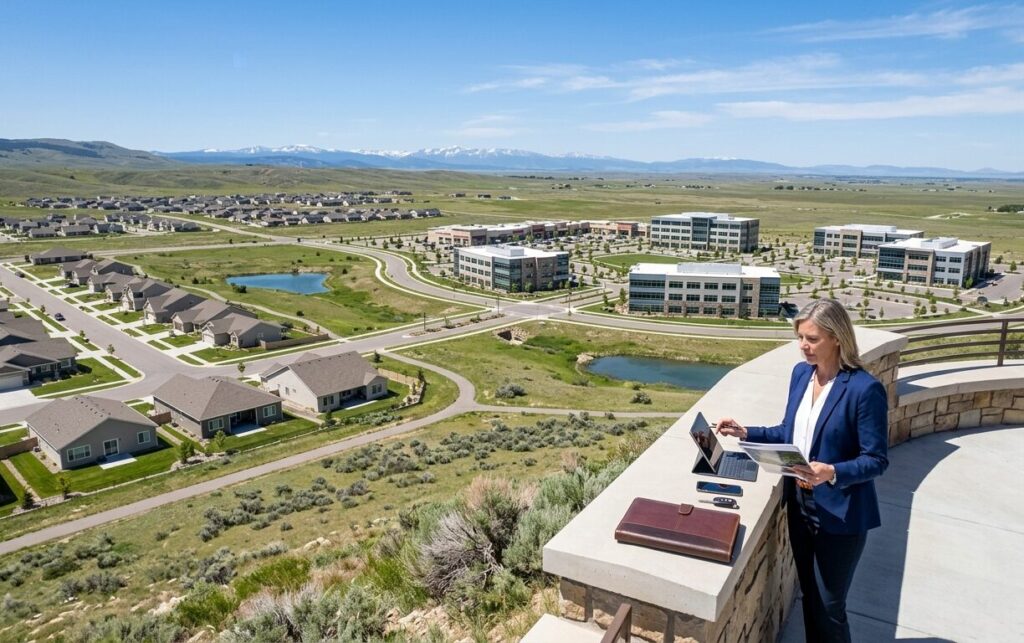
Wyoming has long been recognized as one of the most tax-friendly states in the country. This reputation is built on a constitutional commitment to low taxation. Since there is no state income tax, there is no mechanism to tax capital gains at the state level. This means that when we discuss Wyoming Capital Gains Tax Real Estate, we are really discussing the absence of a state tax and the reliance solely on federal rules. This simplicity is a breath of fresh air for investors who are tired of complex multi-state tax filings and high-bracket liabilities found in places like California or New York.
The benefit extends beyond just the individual. Corporate entities and trusts also enjoy this tax-free environment. This is why many sophisticated investors choose to hold their property through Wyoming-based LLCs. By doing so, they align their assets with a legal and tax framework designed to protect wealth. The Wyoming Capital Gains Tax Real Estate environment allows for a much cleaner calculation of the internal rate of return on any given project. You don’t have to worry about a “surprise” tax bill from the state of Wyoming after a successful closing.
Federal vs. State Capital Gains Considerations
It is important to clarify that while the state does not take a cut, the federal government still does. Federal capital gains taxes are based on how long you held the asset. If you hold a property for more than one year, you qualify for long-term capital gains rates, which are typically 0%, 15%, or 20% depending on your total taxable income. The beauty of the Wyoming Capital Gains Tax Real Estate landscape is that your total tax bill is capped at these federal rates. In a high-tax state, you might be adding another 5% to 13% on top of those federal numbers. To accurately plan your exit strategy, you should review the official 2026 IRS federal capital gains tax brackets, which provide the updated income thresholds for the 0%, 15%, and 20% rates, as well as the 2026 rules for depreciation recapture on investment properties.
In 2026, these savings can represent tens of thousands of dollars on a single-family home sale and millions on a commercial transaction. Investors are increasingly looking at why Cheyenne’s real estate appeals to investors because the combination of a growing economy and a zero-tax state environment is hard to beat. When you keep an extra 10% of your profit because of the state’s tax policy, that is money that can be used for a down payment on your next acquisition or to improve your current holdings.
Real Estate Investment Strategies for 2026

To truly benefit from Wyoming Capital Gains Tax Real Estate, investors often look toward long-term holds. The goal is to allow the property to appreciate naturally while using depreciation to offset any rental income. When the time comes to sell, the lack of state tax makes the “cash out” phase much more rewarding. For those who are flipping houses, the absence of a state-level short-term capital gains tax is even more significant. In other states, short-term gains are taxed as ordinary income, which can be as high as 50% when combining state and federal rates. In Wyoming, you only deal with the federal side.
Many people are also exploring Cheyenne WY land development opportunities as a way to build equity from the ground up. Developing raw land allows for a massive jump in value. If you develop a parcel and sell it after holding it for the required period, the Wyoming Capital Gains Tax Real Estate benefits apply to the entire increase in value. Whether you are building residential subdivisions or commercial hubs, the tax structure supports large-scale growth.
Utilizing the 1031 Exchange in Wyoming
Even with no state tax, many investors still want to defer their federal tax. This is where the 1031 Exchange comes into play. This federal provision allows you to sell a property and reinvest the proceeds into a “like-kind” property while deferring the capital gains tax. The Wyoming Capital Gains Tax Real Estate advantage works perfectly with this strategy. Since there is no state tax to pay, 100% of your equity can move from the old property to the new one.
In some states, you might be required to pay state-level taxes even during an exchange, or you might have to deal with “clawback” provisions if you eventually move out of that state. Wyoming has no such hurdles. This makes it an ideal “hub” for a 1031 Exchange. Investors can move from high-priced coastal markets into the Wyoming real estate market and lock in their gains in a tax-sheltered environment. It is a strategic move that helps build a massive amount of compound wealth over several decades.
Residential vs. Commercial Tax Implications
The lack of state capital gains tax applies across the board, but the impact is felt differently depending on the asset class. For residential investors, the primary focus is often on the Section 121 exclusion, which allows individuals to exclude up to $250,000 (or $500,000 for married couples) of gain from the sale of their primary residence. Since Wyoming doesn’t tax income, there is no need for a state-level equivalent of this exclusion; it is simply not a factor.
For commercial investors, the stakes are often much higher. Commercial transactions frequently involve complex depreciation recapture rules. Federal law requires you to pay a tax on the portion of the gain that represents the depreciation you claimed over the years. This is usually capped at 25%. Again, the Wyoming Capital Gains Tax Real Estate advantage is that the state does not add an additional layer of tax on this recapture. This allows commercial owners to be much more aggressive with their tax planning and cash flow management.
Asset Protection and Privacy

Beyond just the Wyoming Capital Gains Tax Real Estate savings, the state offers some of the best asset protection laws in the country. Many investors use Wyoming Statutory Trusts or LLCs not just for the tax benefits, but for the privacy they provide. In Wyoming, you can maintain a level of anonymity that is not possible in other states. This is highly valued by high-net-worth individuals who want to keep their real estate holdings private.
The combination of zero state tax and high privacy creates a “safe haven” for capital. As we look at the economic climate of 2026, privacy and tax efficiency have become the two most sought-after features in a real estate market. Wyoming delivers both. This is a major reason why the capital city of Cheyenne has seen such a steady influx of out-of-state investment. People aren’t just buying houses; they are buying into a legal and tax system that respects their financial independence.
Impact on Remote Workers and Relocation
The rise of remote work has changed the way people think about where they live and invest. Many professionals are moving from high-tax regions to Wyoming to take advantage of the lower cost of living and the favorable tax code. When these individuals buy a home in Cheyenne, they are often thinking about long-term appreciation. Knowing that the Wyoming Capital Gains Tax Real Estate rules will protect their future profits makes the decision to relocate even easier.
When these new residents eventually decide to upgrade or downsize, they get to experience the full benefit of the state’s policies. They aren’t just saving on their daily income; they are protecting their “nest egg” for the future. This influx of new residents also helps drive property values up, creating more capital gains for everyone in the market. It is a virtuous cycle that benefits both the long-term local resident and the newcomer.
Primary Residence vs. Investment Property
It is a common question to ask if the Wyoming Capital Gains Tax Real Estate benefits only apply to rentals. The answer is that the lack of state tax applies to all property. However, if the property is your primary residence, you likely won’t owe federal tax either, provided you meet the residency requirements and stay under the exclusion limits. If you are selling an investment property, you will owe federal tax, but you will still be ahead of an investor in almost any other state.
This makes Wyoming a “double win” for those who live and invest in the same area. You can live in your primary home and enjoy the federal exclusion, and you can hold a portfolio of rental properties and enjoy the state tax exemption. This dual advantage is a cornerstone of wealth building in the Western United States. It allows for a level of capital accumulation that is simply not possible when a state government is taking a 5% to 10% “success fee” every time you sell an asset.
The Role of Property Taxes
While we are focusing on capital gains, it is worth noting that Wyoming also has some of the lowest property taxes in the nation. This is important because high property taxes can erode your cash flow, making it harder to hold an asset long enough to see significant capital gains. In Wyoming, your carrying costs are low. This allows you to wait for the right market conditions before you sell.
Low property taxes and the absence of Wyoming Capital Gains Tax Real Estate levies mean that the “holding cost” and the “selling cost” are both minimized. This is the ideal scenario for a real estate investor. You aren’t being bled dry while you own the property, and you aren’t being raided when you sell it. This balanced approach to taxation is what keeps the Wyoming market stable and attractive even during periods of national economic volatility.
Estate Planning and Capital Gains
Looking ahead to 2026, estate planning has become a major focus for many families. One of the most powerful tools in the tax code is the “step-up in basis.” When an owner passes away and leaves a property to an heir, the heir’s tax basis in the property is “stepped up” to the fair market value at the time of the owner’s death. This means if the heir sells the property immediately, they owe zero capital gains tax.
The Wyoming Capital Gains Tax Real Estate framework enhances this benefit. Since there is no state inheritance tax and no state capital gains tax, the transfer of wealth from one generation to the next is incredibly efficient. Families can keep their land and buildings within the family for generations without the government taking a massive piece of the pie at each transition. This is how long-term family legacies are built in Wyoming.
2026 Market Trends in Cheyenne
Cheyenne has become a focal point for those looking to capitalize on these tax benefits. As the capital city, it offers a level of economic stability that is very attractive to conservative investors. We are seeing a trend where people are diversifying out of volatile stock markets and into tangible Wyoming assets. They see the Wyoming Capital Gains Tax Real Estate rules as a permanent part of the landscape that they can rely on for years to come.
The market in Cheyenne is also benefiting from its proximity to the Colorado Front Range. As prices and taxes in Colorado continue to rise, more people are crossing the border to find relief. This migration is putting upward pressure on prices, which in turn creates more opportunities for capital gains. Investors who get into the market now are positioning themselves to benefit from both the organic growth of the region and the protective tax laws of the state.
Conclusion
The financial landscape for property owners in the Equality State is one of the most favorable in the world. By eliminating the state-level burden on profits, the Wyoming Capital Gains Tax Real Estate system empowers individuals to take control of their financial destiny. Whether you are a local resident looking to sell your first investment or an out-of-state mogul managing a massive portfolio, the lack of a state income tax is a massive competitive advantage. In a world where taxes seem to be rising everywhere else, Wyoming remains a beacon of fiscal sanity. It provides a stable, predictable, and rewarding environment where your hard work and smart investments are allowed to flourish without unnecessary government interference. As we move through 2026 and beyond, the value of holding real estate in a zero-tax state will only continue to grow, making Wyoming the premier destination for those who value their wealth and their freedom.
Frequently Asked Questions
Does Wyoming have a state capital gains tax?
No, Wyoming does not have a state income tax, which means it also does not have a state-level tax on capital gains. Whether you are selling real estate, stocks, or other assets, you do not owe the state of Wyoming any percentage of your profit. You only have to worry about your federal tax obligations.
Do out-of-state investors have to pay Wyoming tax on property sales?
No. Even if you live in a high-tax state like California, the state of Wyoming will not charge you a tax on the gain from a property sold within its borders. However, you should consult with a tax professional in your home state, as some states may try to tax your “world-wide” income, including gains made in Wyoming.
How does the federal capital gains tax work in 2026?
The federal government still taxes capital gains based on your income bracket and how long you held the property. Long-term gains (for properties held over a year) are generally taxed at 15% or 20% for most investors. The advantage of Wyoming Capital Gains Tax Real Estate is that you don’t add a state tax on top of these federal rates.
Can I use a 1031 Exchange for Wyoming property?
Yes, the 1031 Exchange is a federal rule that applies to properties in all states. It is a very popular strategy in Wyoming because the lack of state tax makes the exchange process much cleaner and allows for more equity to be rolled into the next investment property.
Are there any “hidden” taxes when selling property in Wyoming?
Wyoming is very transparent with its tax code. There are no state transfer taxes, no state inheritance taxes, and no state income taxes. Your primary costs will be standard closing costs, such as title insurance and escrow fees, and your federal tax liabilities.