Navigating the rental market in the Cowboy State requires more than just finding a beautiful view and a fair monthly rate. Whether you are moving into a historic downtown apartment or a modern suburban home, understanding the legal landscape is essential for a stress-free living experience. Many residents often enter lease agreements without fully realizing the specific protections afforded to them under state law. Because Wyoming is known for its strong emphasis on property owner rights, renters must be proactive in educating themselves. This guide aims to clarify the most important aspects of Tenant rights in Wyoming to ensure your housing experience is safe and fair.
The Importance of a Written Lease

In Wyoming, a rental agreement can be either oral or written, but a written contract is always the safer bet. A written lease acts as the definitive rulebook for your residency, outlining everything from pet policies to maintenance responsibilities. When you have a clear document, it becomes much easier to assert Tenant rights in Wyoming if a disagreement occurs later on. Before signing, ensure you read every clause, especially those regarding late fees, utility payments, and the duration of the tenancy. According to the 2026 Wyoming rental statutes guide, while the state is generally considered landlord-friendly, specific provisions regarding the ‘Duty to Maintain’ ensure that renters are not left in sub-standard living conditions.
One of the most foundational Tenant rights in Wyoming is the right to a habitable living environment. This means the landlord is legally obligated to provide a unit that is safe, sanitary, and fit for human habitation. This includes functioning plumbing, heating, and electrical systems. If these basic requirements are not met, the renter has the right to request repairs in writing. It is important to note that Wyoming does not typically allow “repair and deduct” practices, where a tenant fixes a problem themselves and subtracts the cost from the rent, unless specifically agreed upon.
Security Deposits and Move-In Inspections
The financial start of a tenancy usually involves a security deposit. Interestingly, Wyoming law does not set a maximum limit on how much a landlord can charge for a deposit, though it must be reasonable. One of the most critical Tenant rights in Wyoming involves the return of this money. After you move out and provide a forwarding address, the landlord has 30 days to return the deposit or 15 days after the utility bills are settled, whichever is later. If they withhold any portion for damages, they must provide a detailed written list of deductions.
To protect your deposit, you should always perform a thorough move-in inspection. Take photos of every room, noting any existing scratches, stains, or broken fixtures. Sharing these photos with the landlord at the start of the lease creates a paper trail that prevents you from being charged for damage you didn’t cause. Many people who are exploring cheyenne rentals vs buying find that being diligent with these details makes the financial transition much smoother when they eventually decide to purchase a home.
Maintenance and the Duty to Repair

As a renter, you are responsible for keeping the unit clean and using the fixtures in a reasonable manner. However, major structural and mechanical repairs fall on the owner. When a problem arises, such as a leaking roof or a broken water heater, you should notify the landlord in writing immediately. Under the umbrella of Tenant rights in Wyoming, the landlord must respond and make repairs within a reasonable timeframe.
If the landlord fails to address a major health or safety issue after receiving written notice, the renter may have grounds to terminate the lease or seek judicial relief. However, because the legal process can be complex, it is often wise to consult with local housing advocates. For those who find the rental maintenance cycle frustrating, researching the cheyenne wy housing market might reveal that owning a property offers more control over the quality and timing of home improvements.
Privacy and the Right of Entry
Privacy is a top concern for anyone living in a rental unit. While the landlord owns the property, they do not have the right to enter your home whenever they please. Generally, Tenant rights in Wyoming dictate that a landlord must provide reasonable notice, typically 24 hours, before entering for inspections, repairs, or showing the unit to prospective buyers.
The only exception to this notice requirement is an emergency, such as a fire or a major water leak that threatens the property. Outside of these urgent situations, your home is your private space. If a landlord is entering without notice or at unreasonable hours, it is a violation of your peace and quiet enjoyment of the premises. Keeping a log of unauthorized entries can be helpful if you ever need to take legal action to enforce your Tenant rights in Wyoming.
Understanding the Eviction Process
Eviction is a stressful prospect, but it is not something that can happen overnight without due process. In Wyoming, a landlord must follow specific legal steps to remove a tenant. This usually begins with a written notice to quit, giving the renter a few days to either pay overdue rent or correct a lease violation. If the tenant does not comply, the landlord must file a “Forcible Entry and Detainer” action in court.
One of the most vital Tenant rights in Wyoming is the right to a court hearing. A landlord cannot legally change the locks, shut off utilities, or remove your belongings without a court order. This is known as a “self-help” eviction and is strictly prohibited. If you are facing an eviction, seeking legal counsel immediately is the best way to ensure your side of the story is heard by a judge. For those who want to avoid the instability of renting, looking into down payment assistance in wyoming can be the first step toward the security of homeownership.
Rent Increases and Lease Renewals
For those on a month-to-month lease, a landlord can generally increase the rent with a 30-day notice. However, if you have a fixed-term lease, the rent is locked in until the contract expires. Tenant rights in Wyoming protect you from sudden price hikes during the middle of a lease term. When the lease is up for renewal, both parties have the opportunity to renegotiate the terms or the price.
If you plan to move out at the end of your lease, check your contract for the required notice period. Most leases require a 30-day or 60-day written notice. Failing to provide this notice could result in your lease automatically renewing or the landlord keeping a portion of your deposit to cover “lost rent.” Understanding these timelines is a key part of managing your Tenant rights in Wyoming effectively.
Discrimination and Fair Housing
Federal and state laws protect renters from discrimination based on race, color, religion, sex, familial status, or national origin. In Wyoming, this means a landlord cannot refuse to rent to you, charge you higher rent, or offer different terms based on these protected characteristics. If you feel you have been treated unfairly during the application process or during your tenancy, you have the right to file a complaint with the Department of Housing and Urban Development (HUD).
Ensuring fair treatment is one of the most fundamental Tenant rights in Wyoming. This also extends to reasonable accommodations for individuals with disabilities. For example, a landlord may be required to allow a service animal even if they have a “no pets” policy, or allow for the installation of a ramp at the tenant’s expense. Knowing these protections helps ensure that the Wyoming rental market remains accessible to everyone.
Safety and Security Standards
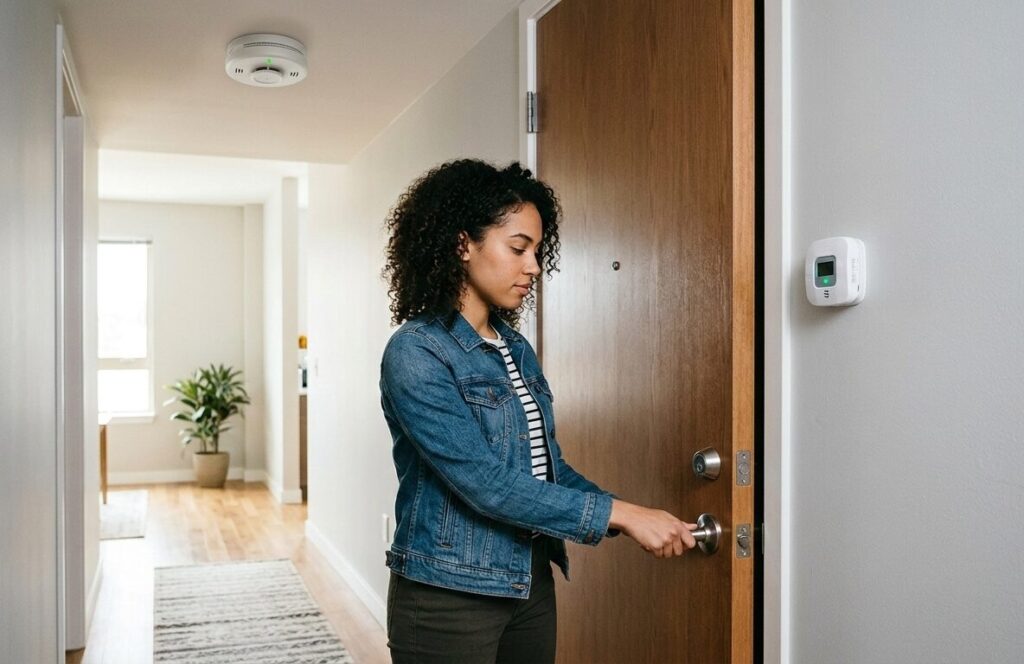
Beyond habitability, renters have a right to basic security features. This includes working locks on all exterior doors and windows. If a lock is broken, it is the landlord’s responsibility to repair it to ensure the tenant’s safety. Some local ordinances in cities like Cheyenne may have additional requirements regarding smoke detectors and carbon monoxide alarms.
Exercising your Tenant rights in Wyoming often means being your own advocate. If you notice a security flaw in your building, such as a broken gate or insufficient lighting in common areas, bring it to the landlord’s attention in writing. A safe living environment is not a luxury; it is a standard that every renter in the state is entitled to expect.
Dealing with Neighbors and Quiet Enjoyment
While your relationship with the landlord is the primary focus of a lease, your relationship with neighbors also impacts your rights. Every tenant has the right to “quiet enjoyment” of their home. This means that if another tenant in the building is being excessively loud or disruptive, the landlord has a responsibility to address the issue.
If the landlord ignores repeated complaints about a disruptive neighbor, they may be failing in their duty to provide you with the peaceful environment promised in your lease. Asserting your Tenant rights in Wyoming in these cases usually involves documenting the disruptions and providing the landlord with evidence that the lease’s “quiet hours” or “nuisance” clauses are being violated.
Preparing for the Future
Many people view renting as a stepping stone. While you are living in a rental, it is the perfect time to build your credit and save for a future down payment. By staying informed about Tenant rights in Wyoming, you protect your financial health, ensuring your deposit is returned and you aren’t hit with unfair fees. This financial stability is crucial for anyone dreaming of eventually owning a piece of the Wyoming landscape.
The more you know about the local laws, the more confident you will feel in your living situation. Wyoming is a great place to live, and the rental market offers many opportunities for those who are prepared. By keeping a copy of your lease, documenting all communication, and knowing where to turn for help, you can successfully navigate the complexities of Tenant rights in Wyoming and enjoy everything the state has to offer.
Conclusion
Understanding Tenant rights in Wyoming is the best way to ensure a positive and fair rental experience. While the state’s laws are often viewed as favorable to property owners, renters still hold significant protections regarding habitability, privacy, and the security of their deposits. By being proactive, keeping thorough records, and communicating clearly with your landlord, you can prevent most common rental disputes before they even begin. Remember that your home is your sanctuary, and the law exists to ensure it remains safe and functional. Whether you are a long-term renter or someone looking to buy in the near future, staying educated on your rights is a powerful tool for every resident of the Cowboy State.
Frequently Asked Questions
Can my landlord enter my apartment without telling me?
In most cases, no. Tenant rights in Wyoming generally require the landlord to give you at least 24 hours’ notice before entering for non-emergency reasons. Only in true emergencies, like a fire or major flood, can they enter without prior notice.
How long does a landlord have to return a security deposit?
A landlord must return the security deposit within 30 days of the tenant moving out and providing a forwarding address. If there are utility bills that need to be cleared first, they have 15 days after those bills are settled to return the balance.
What should I do if my landlord won’t fix something?
You should provide a written request for the repair and keep a copy for your records. If the issue affects your health or safety and remains unaddressed, you may need to contact a local building inspector or seek legal advice to enforce your Tenant rights in Wyoming.
Is there a limit on how much rent can be increased in Wyoming?
Wyoming does not have rent control laws. This means a landlord can increase the rent by any amount, provided they give proper notice, usually 30 days for month-to-month tenancies, and do not violate an existing fixed-term lease.
Can I be evicted during the winter in Wyoming?
Yes. There is a common myth that evictions cannot happen during cold months, but Wyoming law does not have a “winter stay” on evictions. If a landlord follows the correct legal procedures, an eviction can proceed at any time of year.
Am I responsible for snow removal as a tenant?
This depends entirely on your lease agreement. In many single-family home rentals, the tenant is responsible for snow removal, whereas in apartment complexes, the landlord usually handles common areas. Always check your lease to see who is responsible for winter maintenance.