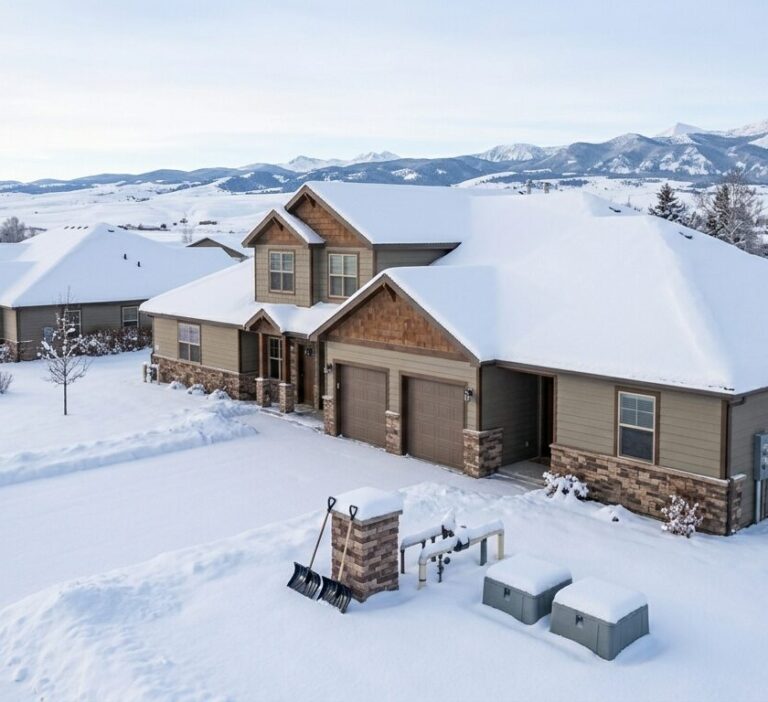
Wyoming represents one of the most unique real estate landscapes in the United States. With its vast open spaces, favorable tax climate, and growing interest from out-of-state investors, the market for undeveloped commercial acreage is currently seeing a significant shift. Whether you own a small lot in a growing urban center like Cheyenne or hundreds of acres of industrial-zoned territory in the rural stretches of the state, the process of liquidation requires a specific set of skills. Successfully navigating this market is not just about putting a sign in the dirt; it is about understanding the underlying value of what that dirt can become.
Land is a different beast than residential property. It does not have a roof to inspect or a kitchen to stage. Instead, its value is derived from its potential, its zoning, and its utility. For those looking to capitalize on their investment, having a comprehensive plan is essential. This article serves as your roadmap, providing the insights needed to navigate the complexities of the Cowboy State’s commercial land sector. We will dive into the nuances of valuation, the digital strategies that attract high-level buyers, and the legal hurdles you must clear to reach a successful closing.
Understanding the Wyoming Commercial Landscape
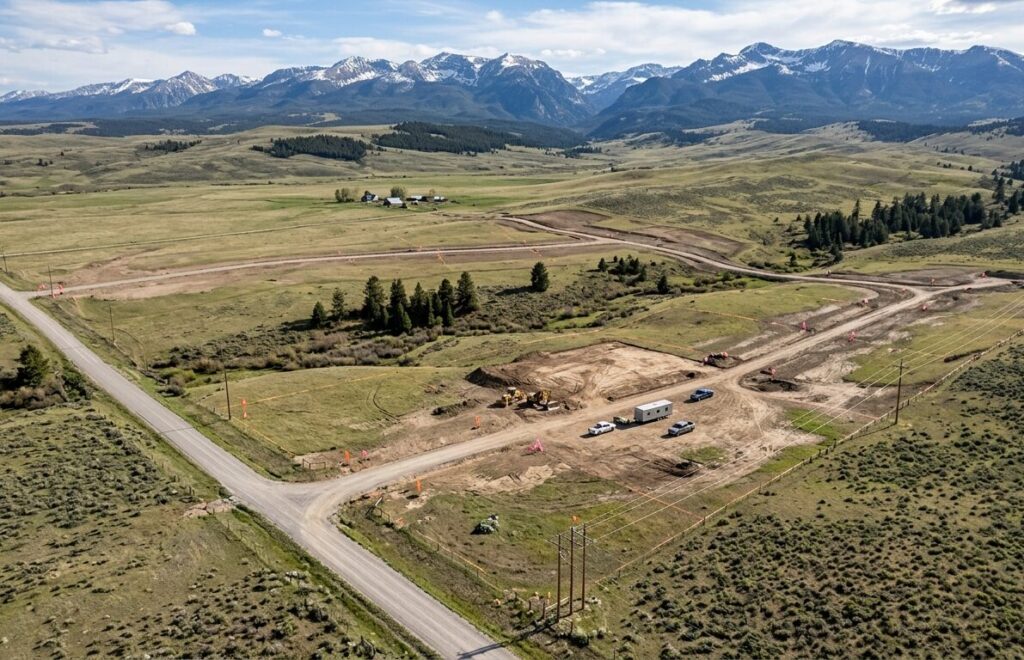
The first step in any successful sale is a deep dive into the current market conditions. Wyoming is currently benefiting from a “flight to quality” where businesses are seeking lower operating costs and a higher quality of life for their employees. This has led to an increased demand for commercial parcels that are “shovel-ready.” If your land already has utilities at the curb and a clear environmental report, you are already ahead of the competition.
However, the market is not uniform. What works in Jackson Hole will not necessarily work in Casper or Laramie. Buyers in 2026 are looking for specific indicators of growth, such as proximity to major transportation corridors like I-80 or I-25. If you are preparing to list your property, you need to look at it through the eyes of a developer. They aren’t buying a field; they are buying a future warehouse, a retail center, or a tech hub. Understanding this perspective is the foundation of any sell commercial land in Wyoming guide.
Accurate Pricing: The Art and Science of Land Valuation
One of the most common mistakes land sellers make is overpricing based on emotional attachment or outdated data. Commercial land valuation is heavily dependent on “highest and best use” analysis. This means determining which type of development would yield the highest value for the property under current zoning laws. A parcel zoned for light industrial use carries a different price tag than one zoned for multi-family residential or heavy retail.
To find the right number, you must look at comparable sales of similar land types within the last six to twelve months. Because land sales happen less frequently than home sales, you may need to expand your geographic search to find relevant “comps.” Sellers should also account for the cost of development. If a buyer has to spend half a million dollars just to bring water and sewer lines to the site, they will expect that cost to be reflected in a lower purchase price. Before you go live on the market, reviewing a professional commercial real estate appraisal strategy can help ensure your starting point is grounded in reality rather than guesswork.
Navigating Zoning and Entitlements
Zoning is the “DNA” of your land. In Wyoming, local municipalities have significant control over how land is utilized. If your land is currently zoned as agricultural but sits in the path of urban growth, you might consider going through the “entitlement” process before selling. This involves getting the land rezoned for commercial or industrial use, which can significantly increase its market value.
Buyers, particularly large-scale developers, are often willing to pay a premium for land that has already cleared these bureaucratic hurdles. They want to avoid the risk and time involved in public hearings and planning commission meetings. If you decide to sell “as-is” regarding zoning, you must be transparent about the current limitations. Providing a clear map of the Cheyenne wy zoning laws and regulations as they apply to your specific area can build trust with potential buyers and speed up the due diligence period.
Strategic Marketing for Commercial Parcels
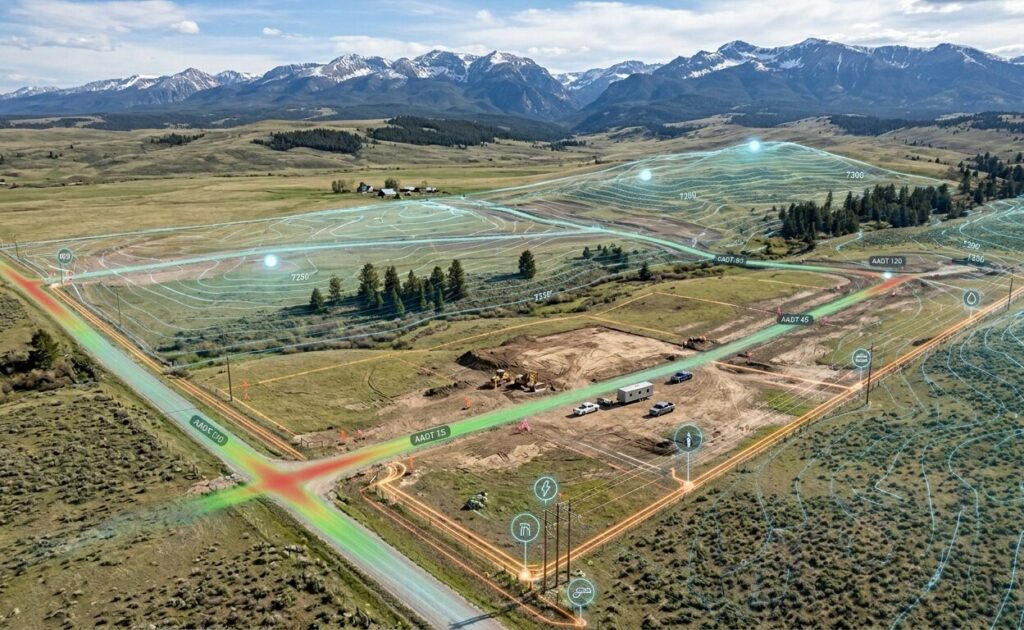
In the residential world, you might attract a buyer with a pretty sunset photo. In the commercial world, you attract a buyer with data. Your marketing package, often called an Offering Memorandum (OM), should be a professional document that includes topographical maps, soil quality reports, traffic counts, and utility locations. High-quality drone photography is also non-negotiable in 2026, as it allows out-of-state investors to see the property’s relationship to surrounding infrastructure.
Your digital presence should extend beyond local listing services. Commercial buyers are often searching on national platforms. However, do not underestimate the power of a localized approach. A focused campaign that highlights the economic benefits of the region can be incredibly effective. For those who are ready to move forward, knowing how to sell commercial land in Wyoming involves a mix of national exposure and deep local connections to ensure the right eyes see your listing at the right time.
Preparing the Property for Showings
While you can’t “clean” land in the traditional sense, you can make it more accessible. If the property is overgrown with sagebrush or weeds, consider having a path cleared so that a surveyor or investor can easily walk the boundaries. Clearly marking the corners of the property with stakes and high-visibility tape is a small gesture that makes a big impression. It shows that you are an organized and serious seller.
If there are any old structures or debris on the land, it is usually worth the investment to have them removed. Buyers want a clean slate. Any “work” they have to do before they can start their project is a psychological barrier to the sale. A well-maintained parcel suggests that the owner has taken care of the legal and environmental aspects of the property as well. This level of preparation is a key component of a successful sell commercial land in Wyoming guide.
The Importance of Environmental Due Diligence
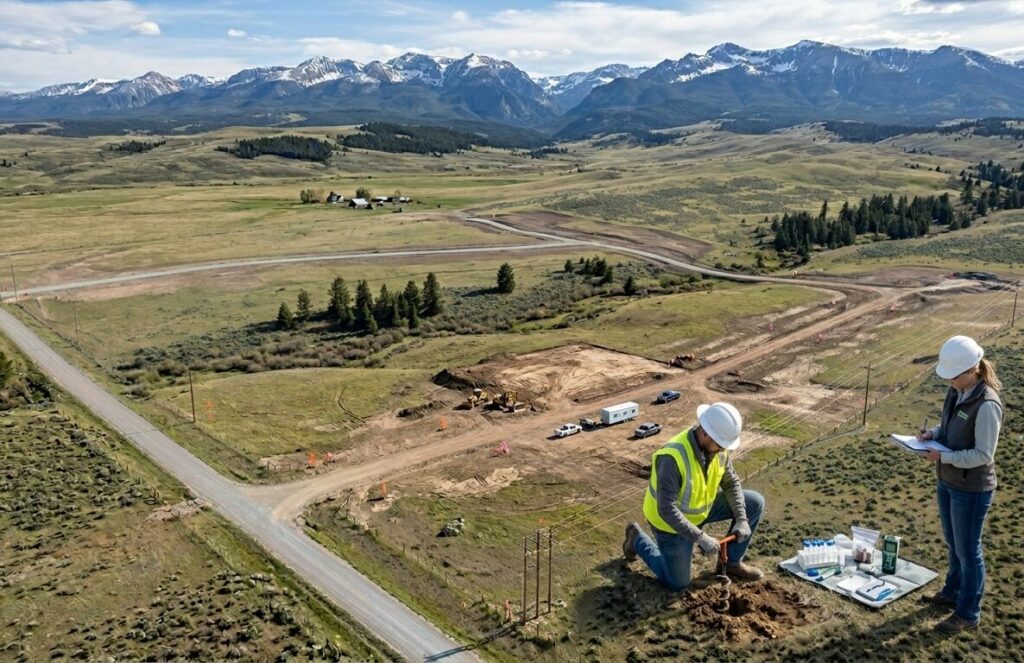
In commercial real estate, the “Phase I Environmental Site Assessment” is a standard part of the buyer’s due diligence. This report looks into the history of the land to ensure there is no hidden contamination from previous industrial uses or underground storage tanks. If your land has a clean history, having this report ready to go can shave weeks off the closing timeline.
If a Phase I report suggests potential issues, you may need to move to a Phase II, which involves soil and water testing. Being proactive about these issues is always better than having them discovered by the buyer’s team at the last minute. To better understand the technical requirements, review the Wyoming DEQ 2026 site characterization and risk assessment protocols, which outline the state’s standards for environmental remediation and property safety. In Wyoming, where land may have been used for oil and gas or ranching in the past, understanding the environmental footprint is a vital part of protecting your legal interests and your profit margins.
Managing the Buyer’s Due Diligence Period
Commercial transactions typically have much longer due diligence periods than residential ones. It is not uncommon for a buyer to ask for 60, 90, or even 180 days to perform their studies. During this time, they will be looking at everything from the “perc” (percolation) rate of the soil to the availability of broadband fiber optics. As a seller, your job is to be a resource.
The faster you can provide requested documents, the faster the buyer can move toward waiving their contingencies. You should have your title work, tax records, and any existing surveys organized and ready for digital transfer. A sell commercial land in Wyoming guide wouldn’t be complete without emphasizing that “time kills deals.” Keep the momentum moving by being responsive and transparent throughout this critical phase of the transaction.
Negotiating the Commercial Contract
Negotiating a land sale involves more than just the purchase price. You will need to discuss the “earnest money” deposit, the length of the feasibility period, and who pays for the various closing costs. In Wyoming, it is common for the buyer and seller to split the closing fees, but this is always a point of negotiation. You might also encounter “contingency” offers, where the buyer’s purchase is dependent on them receiving a specific permit or securing a tenant for the future building.
While price is important, the “certainty of closing” is often more valuable. A slightly lower offer from a cash buyer with no contingencies is often better than a higher offer from a buyer who needs twelve months to secure financing. Understanding these nuances requires a steady hand and a clear head. For sellers who want to dive deeper into the local development landscape, checking out Cheyenne wy land development opportunities can give you a better idea of what developers are currently looking for and what they are willing to pay for.
Closing the Deal: The Final Hurdles
Once the buyer has waived their contingencies, you move into the closing phase. In Wyoming, this is usually handled by a title company that acts as an escrow agent. They will ensure that the deed is properly recorded and that all liens are paid off. You will need to provide a “Warranty Deed” or a “Special Warranty Deed” depending on the terms of your contract.
Before signing the final papers, review the settlement statement carefully. Ensure that all prorated property taxes and commission fees are accurate. Unlike home sales, land sales usually don’t involve “keys,” but you should provide the buyer with any codes for gates or contact information for local utility companies. Reaching the finish line is a major achievement that marks the culmination of your strategic planning and market analysis.
The Role of Professional Representation
Selling commercial land is a complex legal and financial undertaking. While some owners attempt to sell “By Owner,” the vast majority find that the expertise of a commercial specialist pays for itself. A professional can help with complex tasks like 1031 exchanges, which allow you to defer capital gains taxes by reinvesting the proceeds into a “like-kind” property.
A specialist also has access to proprietary databases and a network of developers that the general public does not. They can help “vibe check” a potential buyer to see if they actually have the funds to close the deal. In the fast-moving 2026 market, having an expert in your corner is the best way to ensure that your sell commercial land in Wyoming guide leads to a bankable result.
Capitalizing on Wyoming’s Tax Advantages
One of your strongest selling points in Wyoming is the lack of a state income tax. This makes the state an incredibly attractive place for businesses to hold land assets. When marketing your property, you should highlight this “Wyoming Advantage.” For out-of-state buyers, the savings on corporate or personal income tax can be enough to tip the scales in favor of your property over one in a neighboring state.
Furthermore, Wyoming’s property taxes are relatively modest compared to the national average. By emphasizing the low carrying costs of the land, you make the investment seem even more appealing for those looking for long-term holds. This financial context is a powerful tool in your marketing arsenal and should be featured prominently in your property descriptions.
Conclusion
Selling commercial land in the current Wyoming market is an opportunity to realize significant financial gains, provided you approach the task with a professional mindset. By focusing on accurate pricing, transparent communication regarding zoning, and a data-driven marketing strategy, you can attract the right kind of buyer. The process requires patience, as commercial deals move at a different pace than residential ones, but the rewards are often much larger. As Wyoming continues to grow and evolve, your well-positioned land parcel is a valuable piece of the state’s future. Stay focused on the details, manage your due diligence carefully, and you will find success in the Wyoming real estate landscape.
Frequently Asked Questions
How long does it typically take to sell commercial land in Wyoming?
Commercial land sales generally take longer than residential sales. You should expect the process to take anywhere from six months to two years, depending on the location and zoning of the property. The due diligence period alone for a commercial buyer can often last 90 days or more as they perform soil tests and feasibility studies.
What is the “highest and best use” of land?
This is a legal and appraisal term that refers to the most profitable, physically possible, and legally permissible use for a piece of property. For example, if your land is currently a vacant lot but is zoned for a high-rise office building, its highest and best use is as an office development, and it should be priced accordingly.
Do I need a survey to sell my land?
While not always legally required to list a property, almost every commercial buyer will require a new ALTA survey as a condition of the sale. If you have an existing survey, it can be a helpful starting point, but be prepared for the buyer to request an updated one during their due diligence period.
Are there specific environmental laws in Wyoming I should know about?
Wyoming follows federal EPA guidelines, but there are also state-specific regulations handled by the Wyoming Department of Environmental Quality (DEQ). It is particularly important to check for any historic oil or gas wells or underground storage tanks that may require remediation before a commercial sale can proceed.
How do I handle water rights when selling land?
In Wyoming, water rights are a critical and complex issue. They do not always “run with the land” automatically. You must verify whether your water rights are being transferred with the property or if they have been severed. This information should be clearly stated in your listing and your sales contract to avoid legal disputes.