Over the last few years, remote work has transformed how people live, work, and choose their homes. Professionals are no longer tied to crowded cities or long commutes. Instead, they’re seeking communities that combine affordability, lifestyle, and opportunity, and Cheyenne, Wyoming has emerged as one of the most attractive destinations in the Mountain West.
This trend isn’t just shaping migration patterns; it’s reshaping housing demand, investment opportunities, and community growth. Let’s explore why remote workers are choosing Cheyenne and what it means for the future of local real estate.
1. The Rise of Remote Work and Lifestyle Migration
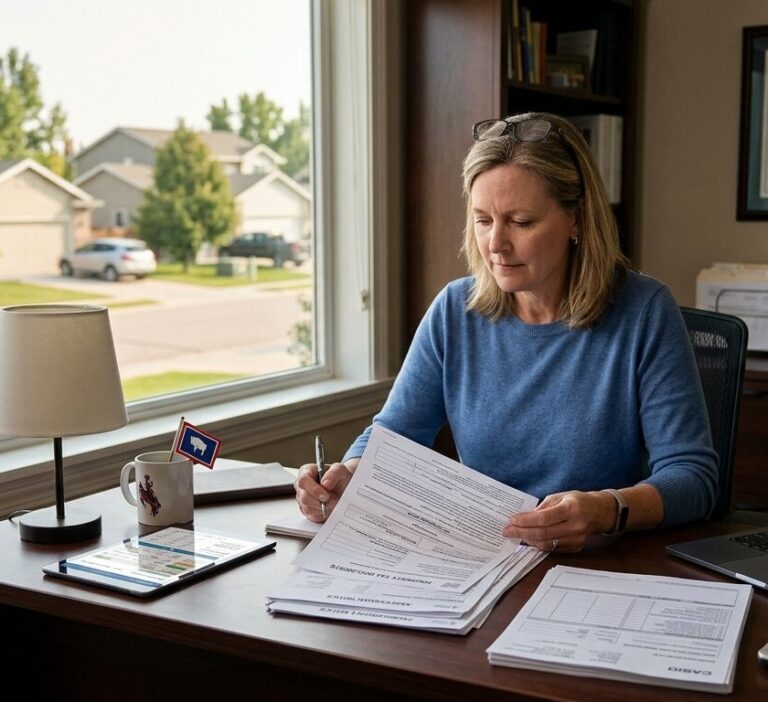
The shift toward remote work has been one of the most significant social changes in recent years. What started as a temporary adjustment has become a long-term trend. Professionals across industries, especially in tech, marketing, design, and finance, are realizing they can live almost anywhere as long as they have a reliable internet connection and a good quality of life.
That realization has fueled a wave of relocations from expensive metro areas like Denver, Seattle, and San Francisco to smaller, more livable cities. Cheyenne stands out as a top contender thanks to its combination of affordability, accessibility, and Western charm.
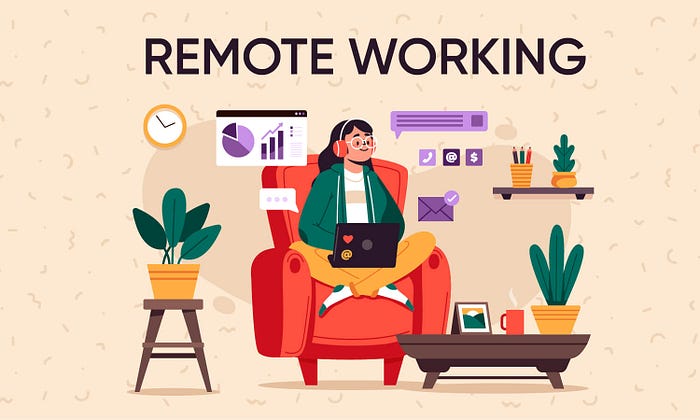
2. Why Cheyenne Appeals to Remote Workers
Cheyenne’s appeal goes far beyond its beautiful landscapes and friendly communities. Remote professionals are drawn to the city for several compelling reasons:
Affordability Without Compromise
One of the strongest factors driving relocation is cost of living. Housing in Cheyenne is significantly more affordable compared to neighboring states. Remote workers looking to stretch their income can find spacious homes, modern apartments, and even small-acreage properties without the sky-high price tags found in major cities.
Quality of Life
Cheyenne offers a slower pace of life without sacrificing convenience. There’s little traffic, plenty of open space, and easy access to outdoor recreation. For families, the city provides excellent schools, safe neighborhoods, and a genuine sense of community.
Tax Advantages
Wyoming has no state income tax, a major draw for professionals earning salaries from out-of-state employers. Combined with low property taxes, this creates a financial advantage for those looking to build wealth and invest in property.
Strategic Location
Even though Cheyenne offers small-town comfort, it’s only about 90 minutes from Denver. This gives residents access to big-city amenities and travel connections while enjoying a quieter home base. It’s the best of both worlds: remote work flexibility with urban proximity.
Modern Infrastructure
Strong internet connectivity and growing co-working spaces make it easy for remote professionals to stay productive. The city’s investment in digital infrastructure has ensured that working from home, or anywhere in Cheyenne, is both fast and reliable.
3. The Real Estate Ripple Effect
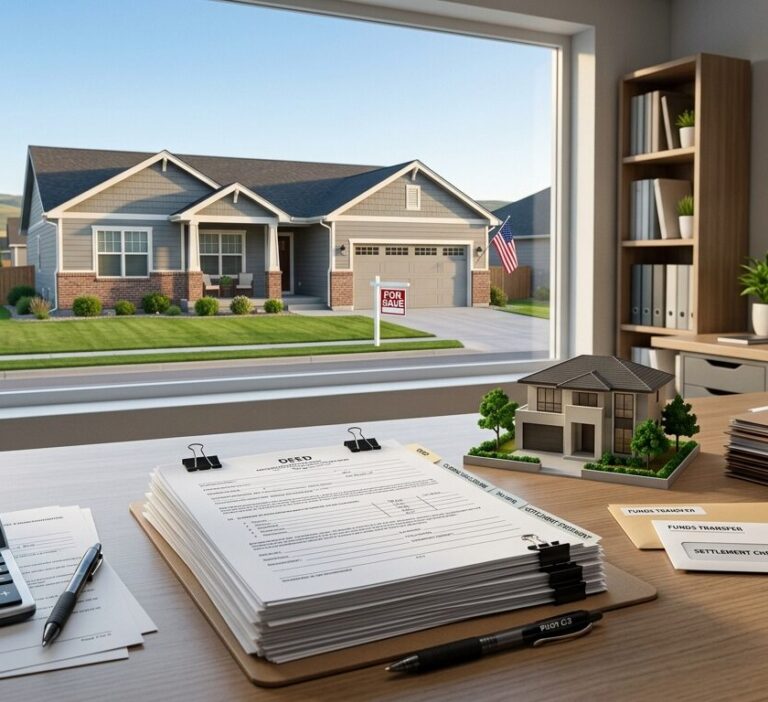
The influx of remote workers has had a direct impact on remote work Cheyenne real estate trends. Demand has increased for properties that support work-from-home lifestyles, homes with office space, good lighting, and quiet neighborhoods.
Developers are responding by designing new builds that feature flexible layouts, high-speed internet wiring, and outdoor amenities that cater to modern buyers. Meanwhile, established neighborhoods have seen a steady rise in property values as more out-of-state buyers enter the market.
Increased Demand for Suburban and Semi-Rural Homes
While some prefer downtown convenience, many remote workers are opting for suburban or semi-rural properties. They value larger lots, scenic views, and home offices that allow separation between work and personal life.
Rental Market Growth
Not everyone is ready to buy immediately. The arrival of remote workers has also strengthened Cheyenne’s rental market. Short-term and long-term rentals alike have seen higher occupancy rates and better returns, creating new opportunities for investors.
Shift in Buyer Demographics
Younger professionals and families relocating from urban centers are bringing fresh energy to the community. This shift is helping diversify the local economy and increase interest in modern amenities like cafes, co-working hubs, and local art scenes.
4. Cheyenne’s Competitive Edge Over Other Western Cities
Cheyenne competes with other mid-sized Western cities like Boise, Fort Collins, and Billings—but it stands out in several key areas:
- Lower housing prices relative to regional competitors
- Shorter commute times and lighter traffic
- A strong sense of local culture and welcoming atmosphere
- Business-friendly environment for entrepreneurs and freelancers
- Access to outdoor activities, from hiking to skiing, within a short drive
Cheyenne’s unique blend of urban convenience and rural tranquility continues to attract newcomers seeking balance and opportunity.
5. A Closer Look at Neighborhoods and Lifestyle
Each area of Cheyenne offers something different for remote workers. From historic downtown homes to new developments on the city’s outskirts, buyers can find a variety of options to suit their lifestyle. To get a better feel for the city’s culture, neighborhoods, and living options, explore our Cheyenne community guide. It’s a helpful resource that highlights what makes each part of the city special, from local dining and parks to community events and nearby amenities.
6. Opportunities for Homebuyers and Investors
The growing population of remote workers isn’t just influencing demand, it’s also creating investment potential. As new residents arrive, the need for housing, rentals, and services continues to expand.
For homebuyers, this means buying in Cheyenne could yield long-term value appreciation.
For investors, the rental market is increasingly attractive due to stable demand and limited housing supply.
In both cases, real estate in Cheyenne remains more accessible and profitable compared to many other U.S. cities.
7. How the City Is Adapting to the Remote Work Trend
City leaders and developers have embraced the opportunity to welcome new residents. Infrastructure improvements, high-speed internet expansion, and housing developments are being prioritized to keep pace with population growth.
Local coworking spaces and business incubators have also appeared to support freelancers and remote professionals, encouraging a sense of collaboration and community.
Cheyenne’s adaptability is one of its biggest strengths, its ability to modernize while preserving its Western heritage makes it uniquely appealing to the new generation of remote professionals.

8. What Remote Work Means for the Future of Cheyenne Real Estate
The continued rise of remote work signals lasting changes for remote work Cheyenne real estate. Buyers are no longer choosing homes solely based on job location, they’re choosing them based on lifestyle, affordability, and quality of community.
As a result:
- Homes with office space or dual-purpose rooms are more in demand.
- Outdoor amenities like patios and large yards are increasingly valued.
- Proximity to trails, parks, and local services is influencing neighborhood popularity.
These evolving preferences mean that Cheyenne’s real estate market is likely to stay strong and resilient, even as national trends fluctuate.
9. What Buyers Should Know Before Moving to Cheyenne
Before relocating, buyers should consider their lifestyle needs, commute patterns (if occasional travel is required), and preferred community vibe. Working with a local real estate agent who understands both residential and investment properties can make the transition seamless.
It’s also important to explore financing options early. While home prices are competitive, properties often move quickly, especially those that fit the remote-work lifestyle criteria.
10. The Long-Term Outlook
The long-term remote work Cheyenne real estate outlook remains optimistic. As more professionals discover the benefits of living in smaller, connected cities, Cheyenne is poised to continue growing steadily without losing its character.
Future developments are likely to include sustainable housing projects, smart home features, and expanded community services. The city’s ability to balance growth with livability will ensure that it remains one of the most attractive relocation destinations in the region.
Conclusion
Cheyenne’s rise as a remote-work haven reflects a broader shift in how people value time, money, and community. Affordable homes, strong internet connectivity, and a relaxed lifestyle make it a top choice for professionals seeking a fresh start outside major metros.
The remote work Cheyenne real estate trend isn’t a passing phase, it’s a sign of sustainable growth and a more connected, balanced future for Wyoming’s capital.
FAQs
1. Why are remote workers moving to Cheyenne?
They’re drawn by affordable housing, no state income tax, fast internet, and the city’s friendly, low-stress lifestyle.
2. How is remote work affecting Cheyenne’s housing market?
It’s increasing demand for modern homes with office space and boosting rental opportunities for investors.
3. Are home prices in Cheyenne expected to rise?
Yes, steady growth is expected due to strong demand, limited inventory, and economic stability.
4. What types of homes are most popular with remote workers?
Properties with dedicated office space, good internet, and quiet neighborhoods are most in demand.
5. Is Cheyenne a good place to invest in real estate?
Absolutely. With population growth, affordability, and a strong rental market, it’s one of the most promising real estate locations in the Mountain West.