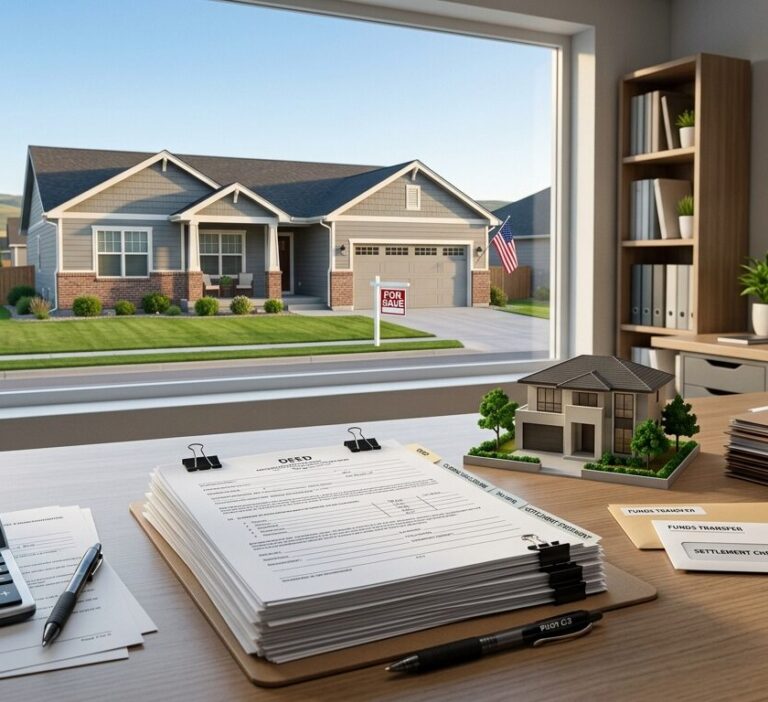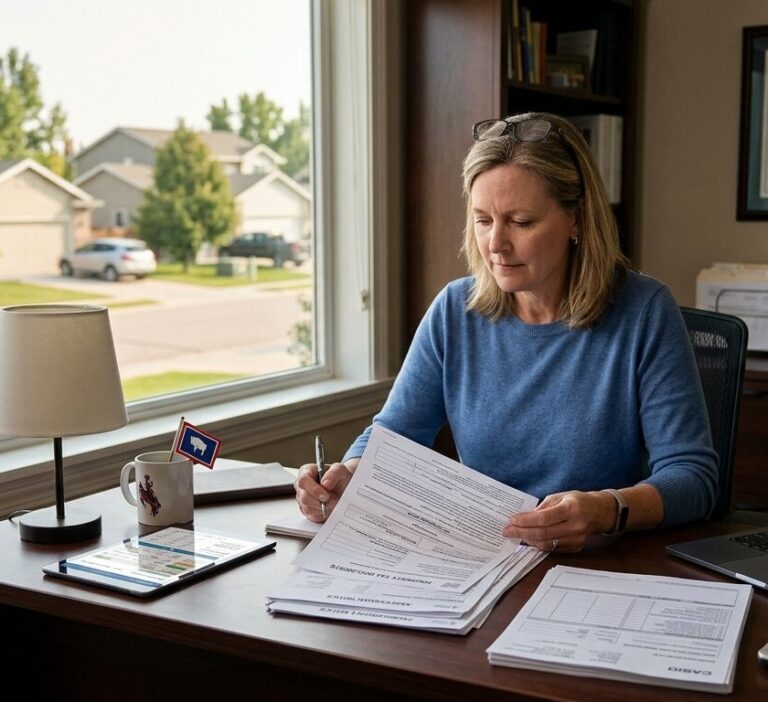
Understanding property tax in Cheyenne, WY is essential for homeowners, buyers, sellers, and investors. Wyoming is well known for its tax friendly environment, but property taxes still play a key role in homeownership costs and long term planning. Whether you’re buying your first home, relocating to Cheyenne, or evaluating your current expenses, knowing how property taxes work can save you money and prevent surprises.
This complete homeowner guide explains how property tax in Cheyenne wy is calculated, what rates you can expect, available exemptions, payment deadlines, and tips for managing and reducing your tax burden.
What Is Property Tax and Why It Matters in Cheyenne, WY?
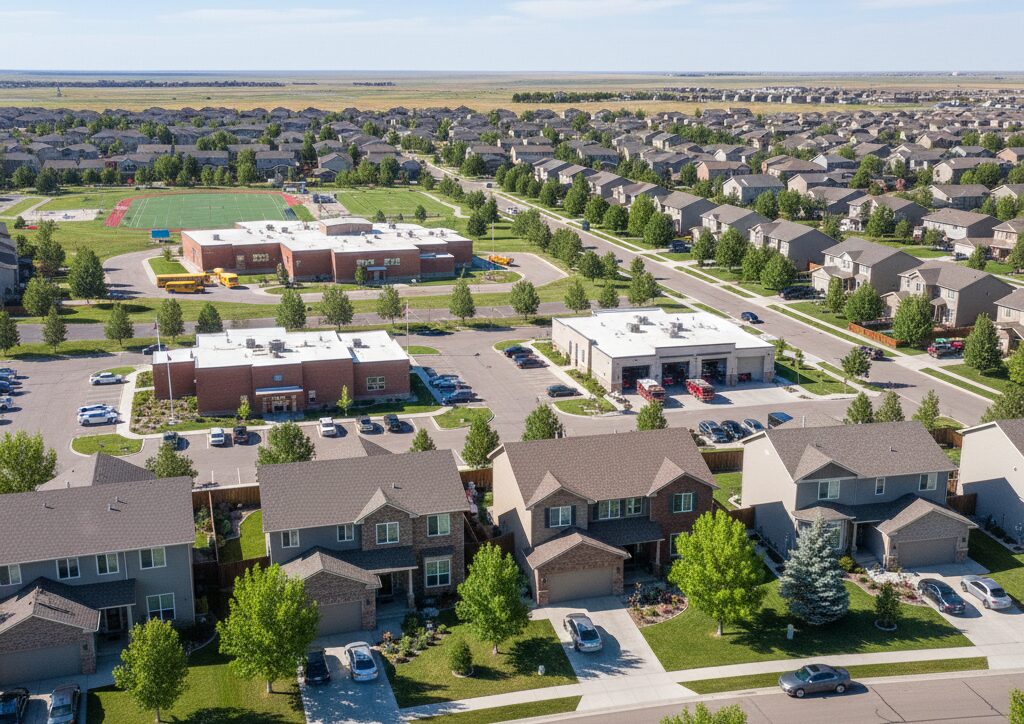
Property tax is a local tax assessed on real estate, including residential homes, land, and commercial properties. In Cheyenne, property tax revenue supports essential public services such as:
- Schools and education programs
- Road maintenance and infrastructure
- Emergency services (fire and police)
- Local government operations
While Wyoming has no state income tax, property tax remains one of the primary funding sources for local and county services, making it an important consideration for homeowners.
Why Wyoming Property Taxes Are Known for Being Low
Wyoming consistently ranks among the states with the lowest property tax rates in the country. Cheyenne homeowners benefit from:
- A low statewide assessment ratio
- No state income tax
- No inheritance tax
This combination makes Cheyenne an attractive destination for retirees, remote workers, and families looking for long term affordability. Buyers browsing available homes through the Home page often find that overall monthly housing costs are lower compared to many neighboring states.
How Property Tax Is Calculated in Cheyenne, WY
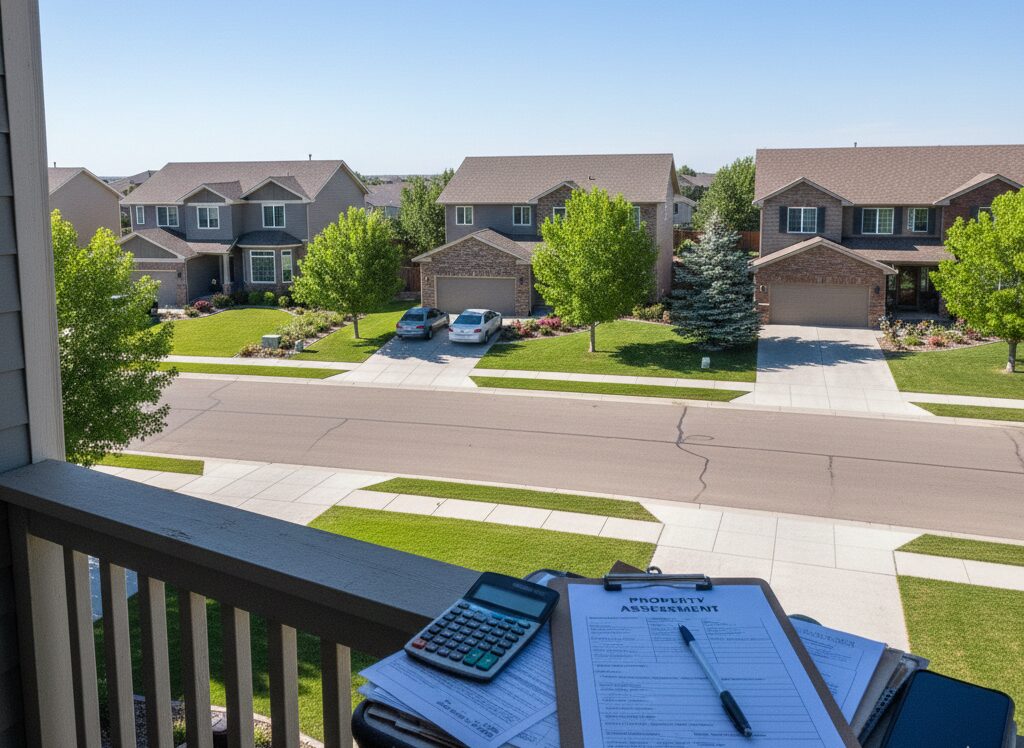
Understanding how property tax in Cheyenne, WY is calculated helps homeowners estimate their annual tax bill more accurately.
Step 1: Assessed Value
Wyoming assesses residential property at 9.5% of market value. This assessed value is not the same as the purchase price but reflects an estimate of market value by the county assessor.
Step 2: Mill Levy
The mill levy is the tax rate applied to the assessed value. One mill equals $1 in tax per $1,000 of assessed value. Mill levies vary depending on location, school district, and local funding needs.
Step 3: Total Property Tax
Your annual property tax bill is calculated by multiplying the assessed value by the local mill levy.
This system keeps property taxes predictable and relatively low for most Cheyenne homeowners.
Average Property Tax in Cheyenne, WY
While exact amounts vary by neighborhood and property value, Cheyenne homeowners generally pay significantly less in property taxes than the national average.
Typical factors affecting your tax amount include:
- Property value
- Location within Laramie County
- School district levies
- Voter approved local taxes
For many households, property tax is a manageable expense when compared with higher tax states.
When Property Taxes Are Due in Cheyenne
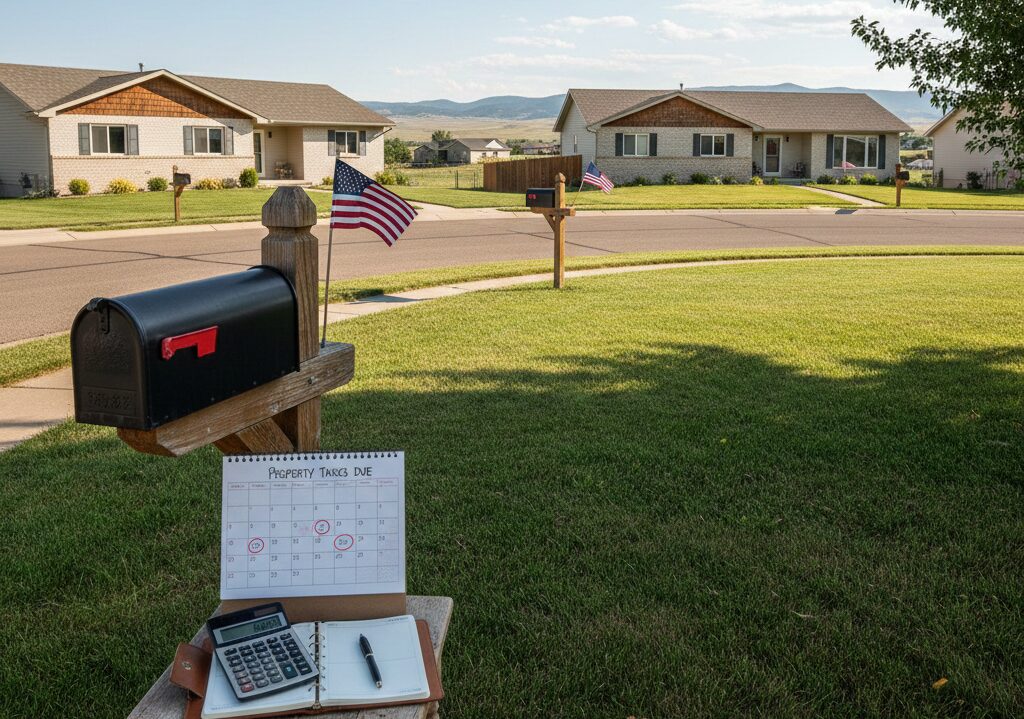
Property taxes in Cheyenne are typically paid in two installments:
- First half: Due in early November
- Second half: Due in early May
Homeowners can choose to pay the full amount at once or split it into two payments. Missing deadlines can result in penalties, so it’s important to plan ahead or escrow taxes through a mortgage lender.
Property Tax Exemptions and Relief Programs in Wyoming
Wyoming offers several tax relief programs that can reduce the property tax burden for eligible homeowners.
Property Tax Refund Program
This program assists low income seniors and disabled residents by refunding a portion of property tax paid.
Veteran Exemptions
Qualified veterans may receive property tax benefits depending on service history and disability status.
Senior Assistance Options
Certain tax relief programs are available based on age, income, and residency requirements.
Understanding eligibility requirements is important. Those unsure about qualifications can reach out via the Contact Us page for guidance or referrals to local resources.
Property Tax and Buying a Home in Cheyenne
If you’re purchasing a home in Cheyenne, property taxes should be factored into your total housing budget.
What Buyers Should Know:
- Property tax is often included in monthly mortgage payments
- Taxes may be prorated at closing
- New construction may be reassessed after purchase
Cheyenne’s low property taxes often allow buyers to afford more home without significantly increasing monthly costs.
Property Tax and Selling a Home in Cheyenne
Sellers should also understand how property tax affects transactions.
For Sellers:
- Property taxes are prorated at closing
- Accurate tax records help avoid delays
- Outstanding taxes must be paid before transfer
Knowing your property tax obligations ensures a smooth closing process for all parties involved.
Property Tax Compared to Nearby States
One of the biggest advantages of owning property in Cheyenne is how favorably it compares to neighboring states.
- Colorado often has higher effective tax burdens when combined with income taxes
- Utah and Montana typically assess at higher overall rates
- Wyoming remains one of the most tax friendly states for homeowners
This makes Cheyenne an appealing option for out of state buyers looking to reduce long term ownership costs.
How Property Taxes Affect Property Value
Property tax rates can influence:
- Buyer demand
- Long term affordability
- Rental property profitability
Lower taxes help sustain property values by keeping ownership affordable, which supports steady demand across the Cheyenne housing market.
Appealing or Reviewing Your Property Tax Assessment
If you believe your property is over assessed, Wyoming allows homeowners to appeal.
Common Reasons to Appeal:
- Incorrect square footage
- Overestimated market value
- Comparable homes assessed lower
Appeals must be filed within the designated assessment window. Supporting documentation is key to success.
Property Tax and Rental Properties in Cheyenne
Investors also benefit from Cheyenne’s favorable tax structure.
Investor Benefits:
- Lower operating expenses
- Better cash flow potential
- Predictable annual costs
However, rental property taxes may differ slightly from owner occupied homes, depending on classification and use.
Long Term Outlook for Property Tax in Cheyenne, WY
Cheyenne’s property tax system is considered stable. While mill levies can change over time, drastic increases are uncommon due to Wyoming’s conservative fiscal approach.
Long term homeowners benefit from predictability, making Cheyenne an excellent choice for those planning to stay or invest for years to come.
How ForSaleCheyenne.com Helps Homeowners and Buyers
At ForSaleCheyenne.com, we help buyers, sellers, and homeowners fully understand the financial side of real estate including taxes, closing costs, and long term ownership expenses.
Learn more About Us to see how our local expertise guides clients through informed and confident real estate decisions in Cheyenne and surrounding areas.
If you have questions about property tax, buying, or selling, our team is here to help simply reach out through our Contact Us page.
FAQs: Property Tax Cheyenne WY
Is property tax in Cheyenne, WY low?
Yes. Wyoming consistently ranks among the lowest property tax states in the U.S.
How often are property taxes assessed in Cheyenne?
Assessments are conducted annually by the county assessor.
Do property taxes increase every year?
Not necessarily. Taxes may change based on property value and local mill levies.
Are property taxes included in mortgage payments?
Many homeowners pay property taxes through escrow as part of their monthly mortgage.
Can I appeal my property tax assessment?
Yes. Homeowners can appeal if they believe the assessment is inaccurate.