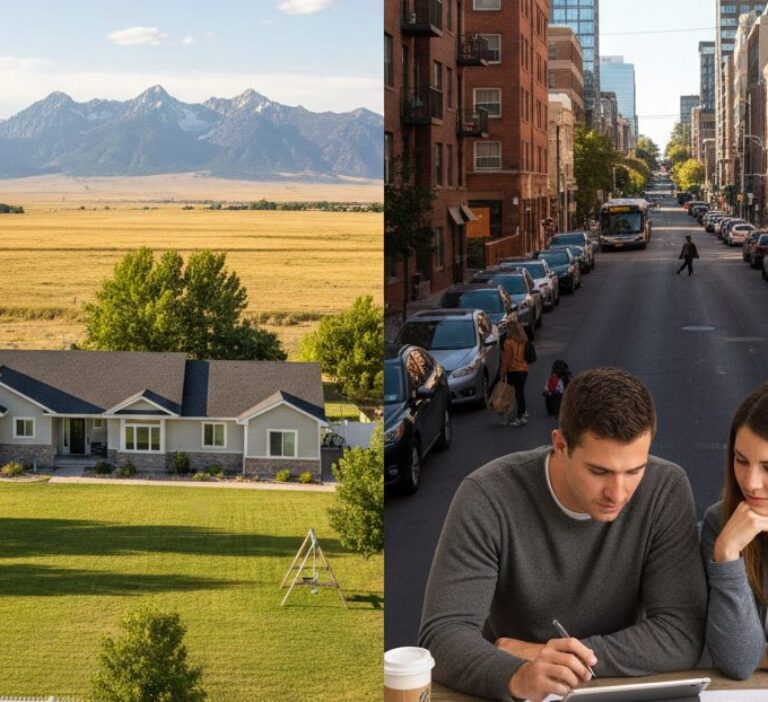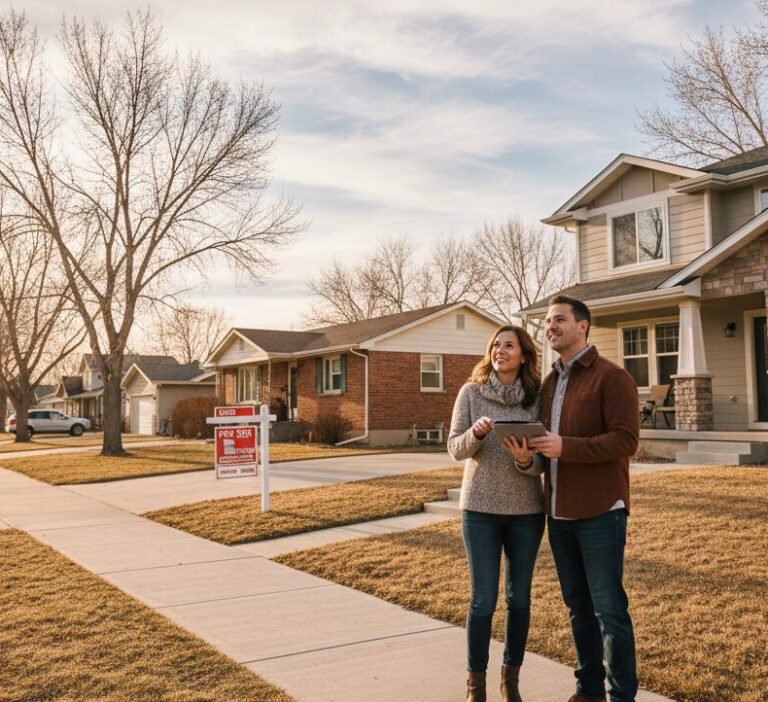
Building a home from scratch is a dream for many, but the rising prices and labor shortages of the traditional construction market can make that dream feel out of reach. In 2026, many residents are looking for alternatives that offer the same quality as a custom house without the year-long wait or the unpredictable budget spikes. This is why modular homes in Wyoming have become such a popular choice across Laramie County and beyond. These structures are not just a housing trend; they are a high-tech solution to the unique challenges of building in the Cowboy State.
If you have ever watched a house being framed during a Wyoming winter, you know the struggle. Snow, wind, and freezing temperatures can delay a project for months, leading to warped lumber and frustrated crews. Modular construction solves this by moving the bulk of the work indoors. By building the home in sections within a climate-controlled factory, manufacturers can ensure precision that is nearly impossible to achieve on a windy job site. In this guide, we will explore the real costs, the legal landscape, and the step-by-step process of bringing your own modular home to life.
The Real Cost of Modular Homes in Wyoming
Budgeting is the first step for any prospective homeowner. While modular construction is generally more affordable than stick-built homes, it is important to understand what your money is actually buying. In the current market, a basic modular home can start around $100 to $150 per square foot for the unit itself. However, high-end custom designs with premium finishes can push those numbers closer to $250 per square foot.
It is a common misconception that the price of the “box” is the total price of the home. You must also factor in site preparation, foundation work, and utility hookups. In Wyoming, a full basement foundation can add anywhere from $30,000 to $50,000 to your total, while a simpler crawlspace is more budget-friendly. When you calculate these extras, you will find that choosing modular homes in Wyoming often saves you about 10% to 20% compared to traditional site-built projects, primarily due to reduced labor hours and less material waste.
Why the Wyoming Climate Favors Modular Builds
Wyoming is famous for its “four seasons in one day” weather. From the intense summer sun to the brutal winter winds that whip across the plains, your home needs to be incredibly resilient. Because modular homes in Wyoming are built in a factory, they are engineered to be stronger than many traditional homes. They have to be sturdy enough to be lifted by a crane and transported on a flatbed truck at 60 miles per hour, which means they often have more framing and adhesive than a standard house.
Energy efficiency plays a critical role in cold-weather states like Wyoming. The U.S. Department of Energy provides guidance on home energy efficiency standards, insulation performance, and weather-resistant construction practices. Following these recommendations helps homeowners reduce energy costs and maintain comfortable indoor temperatures year-round.
The energy efficiency of these homes is another major benefit. Factory construction allows for tighter seals and more consistent insulation placement. In a state where January temperatures frequently drop below zero, a well-sealed home isn’t just a luxury; it is a necessity for keeping utility bills manageable. Many modular manufacturers now offer “Arctic packages” specifically designed for northern climates, featuring triple-pane windows and enhanced R-value insulation in the walls and roof.
Modular vs. Manufactured: Knowing the Difference
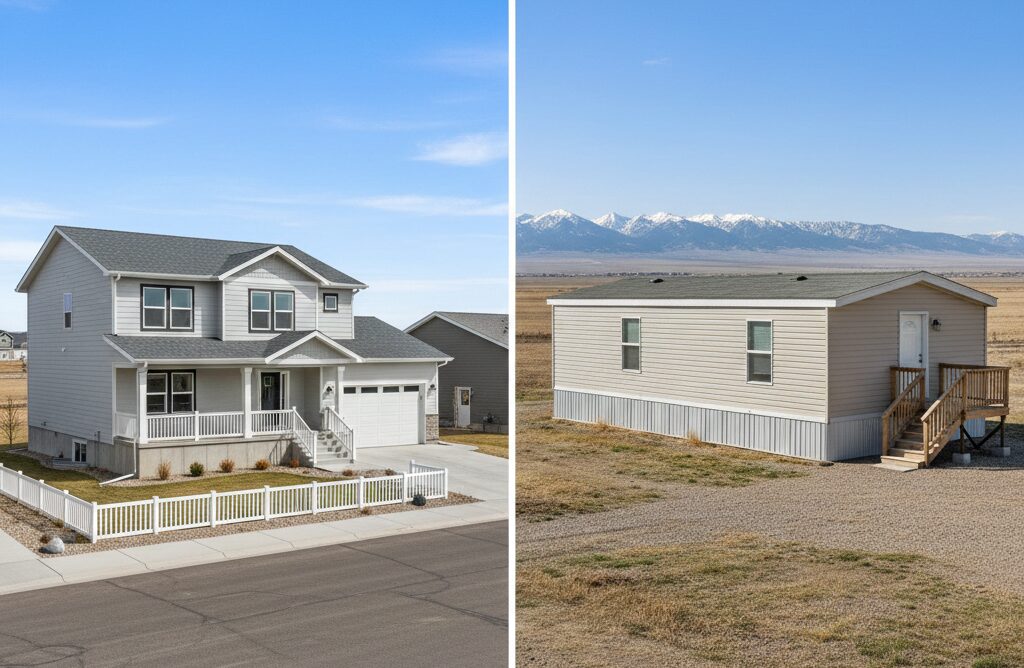
Before you dive into a purchase, you must understand the legal distinction between a modular home and a manufactured (mobile) home. This distinction affects your financing, your insurance, and your property value. A manufactured home is built to a federal HUD code and is often placed on a temporary chassis. In contrast, modular homes in Wyoming are built to the same local and state International Residential Code (IRC) as any traditional stick-built house.
Once a modular home is set on its permanent foundation, the state of Wyoming views it as real property. It will appreciate in value just like its neighbors, and you can secure a standard conventional mortgage or FHA loan for it. If you are looking to invest in a property that will grow in equity over time, the modular route is the clear winner. For those interested in seeing how these properties perform in the local market, our Cheyenne housing market trends report provides data on how various home types are selling in 2026.
Finding the Right Land for Your Modular Project
You cannot have a home without a place to put it. Finding the right parcel is often the most time-consuming part of the journey. In Laramie County, you need to ensure the land is zoned for residential use and that there are no restrictive covenants that prohibit factory-built structures. While most modern modular homes in Wyoming are indistinguishable from site-built homes once finished, some older subdivisions still have outdated rules.
You also need to consider the logistics of delivery. A modular home arrives in large sections, often 14 to 16 feet wide. If your dream lot is at the end of a narrow, winding mountain road with low-hanging trees, getting the modules to the site might be impossible or prohibitively expensive. We recommend working with experts who understand the local terrain. You can browse current listings of land for sale to find parcels that are accessible and ready for development.
The Step-by-Step Buying Process
The journey to owning modular homes in Wyoming typically takes about six to nine months, which is significantly faster than the 12 to 18 months often required for traditional custom builds. The process starts with selecting a floor plan and a manufacturer. Once you have a contract, you will work with a local contractor to handle the “site work,” which includes excavating the land, pouring the foundation, and bringing in water and sewer lines.
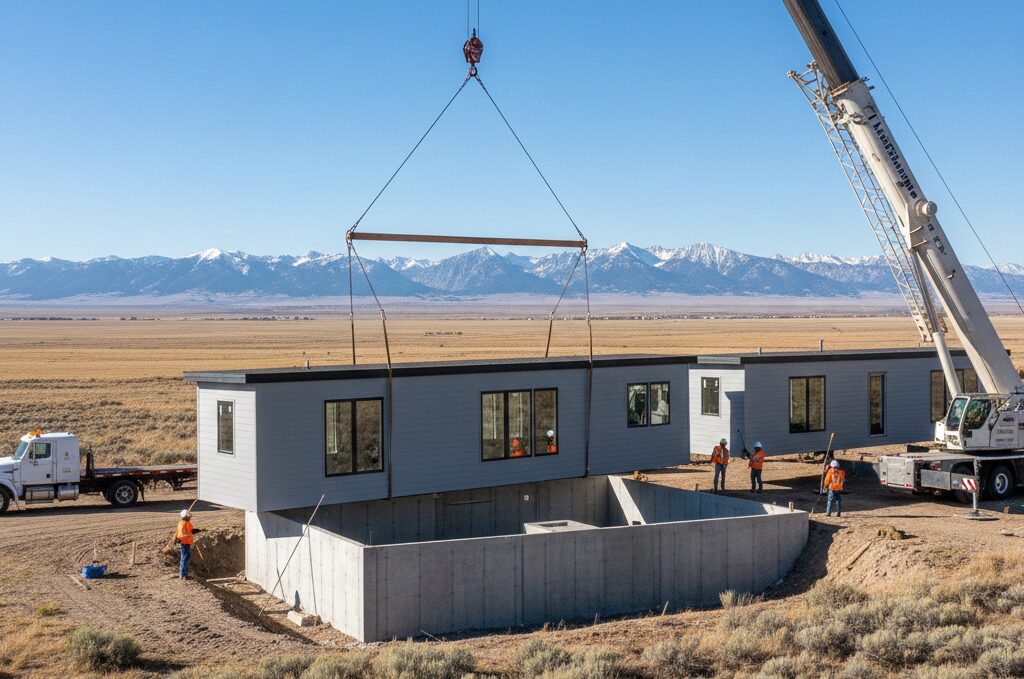
While the site is being prepared, your home is being built in the factory. This parallel processing is why modular construction is so efficient. When the modules are ready, they are shipped to your lot and “set” by a crane in a single day. After the set, a crew will spend a few weeks doing the “button-up” work, which involves joining the sections, finishing the roofline, connecting the utilities, and installing the final flooring and trim.
Navigating Permits and Zoning in Cheyenne
Every municipality has its own set of rules. In Cheyenne, you will need to submit your plans to the building department to ensure they meet local wind and snow load requirements. Because Wyoming is a high-wind state, your modular homes in Wyoming must be anchored properly to the foundation. This is a critical safety step that the city inspectors will check thoroughly.
Don’t let the paperwork intimidate you. Most modular manufacturers provide the necessary engineering stamps and architectural drawings as part of their package. If you are relocating from out of state and aren’t sure where to start with local regulations, our relocation services can help connect you with local contractors and planners who know the Cheyenne system inside and out. Having a local team ensures that you don’t hit unexpected roadblocks with the city or county.
Financing Your Modular Home
Getting a loan for a modular home is very similar to a standard construction loan. You will typically start with a construction-to-permanent loan. This loan pays the manufacturer and the site contractors as work is completed. Once the home is finished and receives its certificate of occupancy, the loan automatically converts into a traditional 15-year or 30-year mortgage.
Lenders in 2026 are very comfortable with modular homes in Wyoming because they recognize them as high-quality, permanent structures. However, it is always a good idea to shop around for a lender who has experience with construction loans. They will understand the “draw schedule” required by the factory and can make the payment process much smoother for everyone involved.
Customization Options and Modern Design
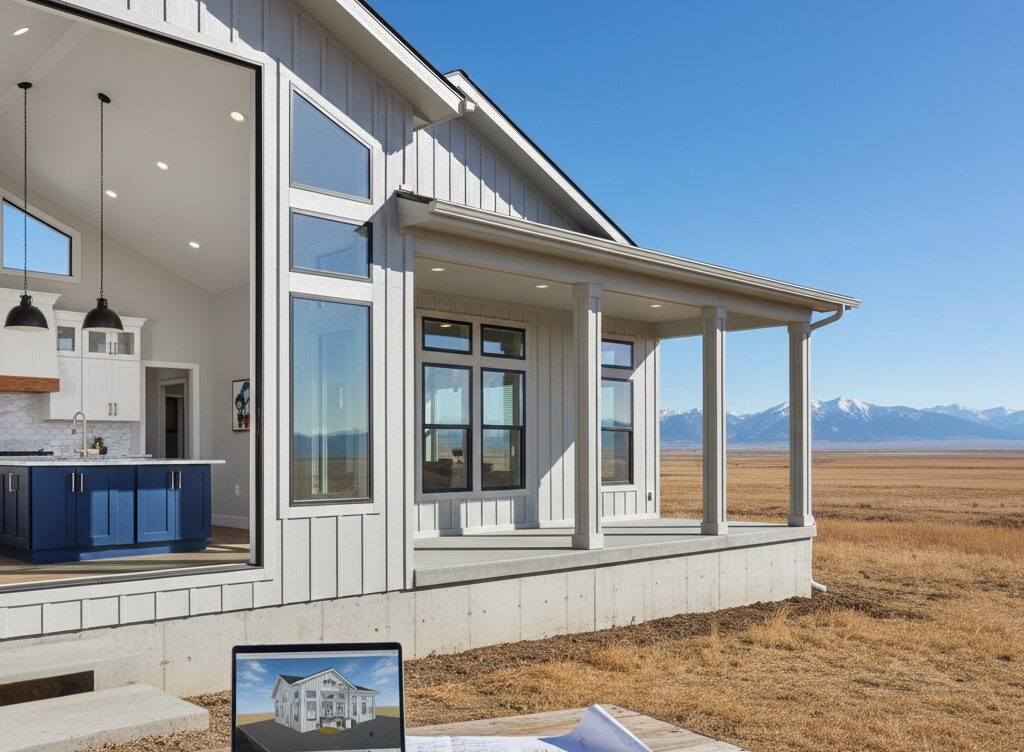
Gone are the days when modular homes looked like simple rectangular boxes. Modern modular homes in Wyoming can feature vaulted ceilings, gourmet kitchens with granite countertops, and even expansive wrap-around porches. You can choose from Cape Cod styles, modern farmhouses, or sleek contemporary designs.
Most manufacturers offer a “base model” that you can then customize. You can move walls, add windows, or upgrade the cabinetry to suit your personal taste. Because the home is built using computer-aided design (CAD) software, the measurements are incredibly precise. This means your cabinets will be perfectly level, and your corners will be perfectly square, something that even the best site-builders can struggle with when battling the elements.
The Environmental Impact of Modular Construction
If you are conscious of your carbon footprint, modular construction is one of the greenest ways to build. In a factory setting, material waste is reduced by up to 50%. Any leftover wood or drywall is recycled or used in other projects, rather than being tossed into a dumpster on a job site.
Additionally, because the materials are stored indoors, they are never exposed to moisture, which eliminates the risk of mold or mildew building up inside the walls during the construction phase. For many, the choice of modular homes in Wyoming is a choice for a healthier, more sustainable living environment. This focus on quality and sustainability is a big reason why these homes maintain such strong resale value in the local market.
Preparing for “Set Day”
Set day is the most exciting part of the entire project. It is the day your vision finally becomes a physical reality. You will want to make sure your site is cleared of any debris and that there is plenty of room for the crane and the transport trucks to maneuver. It is a spectacle that often draws a crowd of curious neighbors!
While the modules are being lifted into place, it is vital to have your site contractor on hand. They will be responsible for ensuring the sections are aligned perfectly on the foundation and that the temporary weatherproofing is secure. By the end of the day, your modular homes in Wyoming will be under roof and lockable, protecting the interior from any sudden Cheyenne windstorms.
The Importance of a Quality Local Contractor
Even the best factory-built home can be ruined by poor site work. Your local general contractor is your most important partner in this journey. They are the ones who will pour the foundation, hook up the septic system, and finish the interior “marriage lines” where the modules meet.
When interviewing contractors, ask specifically about their experience with modular homes in Wyoming. You want someone who understands how to coordinate with the factory and who respects the precision required for a modular set. A good contractor will treat the project with the same care as a custom stick-built home, ensuring that the final result is a seamless, beautiful residence.
FAQs
Are modular homes considered “real estate”?
Yes. Unlike mobile homes, modular homes in Wyoming are permanently affixed to a foundation and are deeded and taxed as real property. They appreciate in value and qualify for standard home insurance and mortgages.
How do modular homes handle Wyoming’s high winds?
Modular homes are often more wind-resistant than traditional homes. They are built with extra strapping and fasteners to survive the stresses of highway travel and are securely bolted to a permanent concrete foundation on-site.
Can I build a modular home in a basement?
Absolutely. Many owners of modular homes in Wyoming choose full basements to add extra living space or storage. The modules are designed to sit perfectly on a standard basement foundation.
Is it hard to resell a modular home?
Not at all. Once finished, a modular home is virtually indistinguishable from a site-built home. Appraisers treat them the same as traditional houses, and they are listed on the MLS just like any other residential property.
Can I customize the floor plan of a modular home?
Yes, most manufacturers offer significant customization. While you have to work within certain “module” widths for shipping, you can rearrange rooms, add bathrooms, and choose from hundreds of different finishes.
Conclusion
Choosing to build one of the many modular homes in Wyoming has to offer is a smart, forward-thinking move in 2026. By leveraging the speed and precision of factory construction, you can bypass the common headaches of the traditional building market while still ending up with a high-quality, energy-efficient home. Whether you are looking for a compact starter home or a sprawling family estate, the modular path provides a level of certainty and quality control that is hard to find elsewhere. As Cheyenne continues to grow and the demand for housing increases, these innovative structures are proving that you don’t have to sacrifice style or stability to get a house that fits your budget. Take the time to find the right land, choose a manufacturer that fits your vision, and partner with an experienced local team to turn your dream of Wyoming homeownership into a reality.