
The world of real estate offers various avenues for wealth creation, but few are as time-tested and physically secure as the practice of holding raw acreage. As urban centers become more crowded and the demand for suburban and commercial development increases, investors are looking for ways to preserve their capital while positioning themselves for future windfalls. This is where a land banking investment comes into play. It is a strategy rooted in the basic economic principle of scarcity. Land is the one resource they are simply not making more of, and as population hubs expand, the fringes of today often become the hotspots of tomorrow.
In the current 2026 economic climate, many traditional assets have shown volatility. However, raw land remains a tangible hedge against inflation. By identifying areas in the path of progress, an investor can acquire property at a lower cost basis and wait for market forces to drive value upward. This approach requires patience and a keen eye for infrastructure trends, but the long-term rewards can be significantly higher than those found in liquid markets.
Understanding the Core of Land Banking
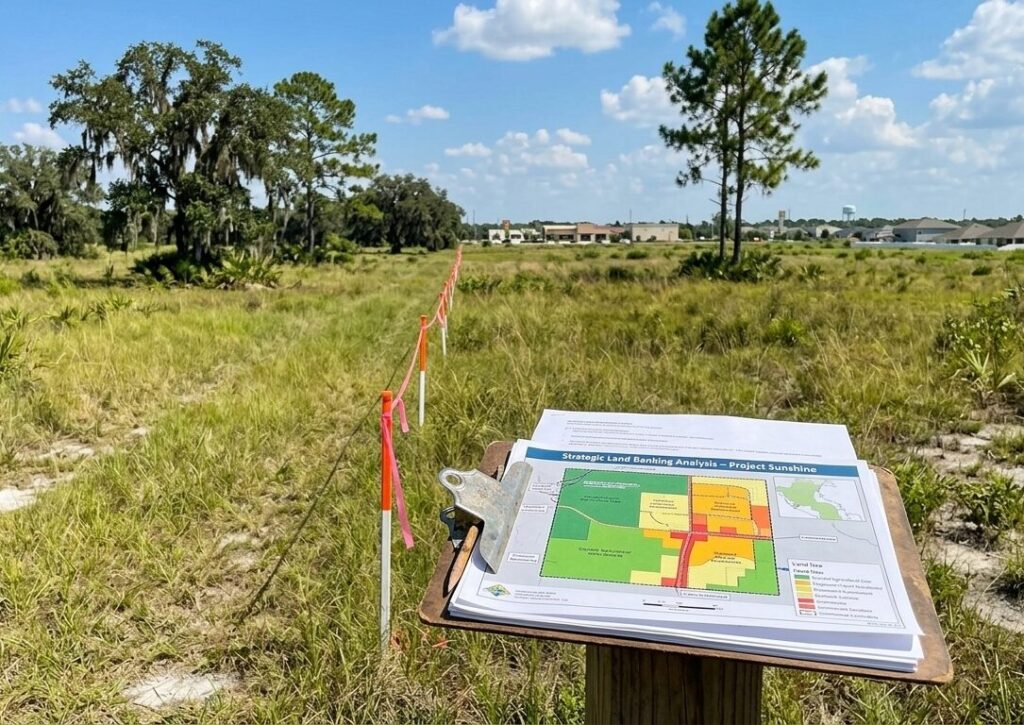
At its most fundamental level, this strategy involves purchasing large or strategic parcels of undeveloped land and holding them until they are ready for development. The goal is not to build on the land immediately, but rather to wait until the demand from residential developers or commercial firms reaches a peak. A successful land banking investment hinges on the transition of land from one “use category” to a higher one, such as turning agricultural land into a residential subdivision or a commercial park.
The beauty of this method lies in its low maintenance requirements. Unlike residential rentals, raw land does not involve midnight plumbing emergencies, tenant disputes, or costly interior renovations. Your primary carry costs are generally property taxes and potentially minor insurance or maintenance fees to keep the lot clear. For those looking to diversify their portfolio without taking on a second job as a property manager, this hands-off nature is incredibly appealing.
Why Location and Infrastructure Matter
The success of your venture is almost entirely dependent on where the property sits in relation to expanding city limits. In 2026, we are seeing a massive shift in how people live and work, with many moving away from high-cost coastal cities toward more affordable regions. Cheyenne, Wyoming, has become a prime example of this trend. When you look for the best land for sale in Cheyenne, you are essentially betting on the continued growth of the region’s infrastructure and population.
Infrastructure projects, such as new highway interchanges, utility expansions, or the announcement of a new tech hub, act as catalysts for land value. If you can acquire a parcel before these projects are fully realized, you are essentially “banking” that future value. A land banking investment in the right corridor can see exponential growth once a major developer needs that specific plot to complete a larger project. It is about being the “missing piece” of a puzzle that a developer is willing to pay a premium for.
Risks and Mitigations in Land Investment
While the upside is substantial, it is vital to acknowledge that this is an illiquid asset. You cannot sell a 40-acre plot as quickly as you can sell a stock or a bond. Therefore, this strategy should only be pursued with capital that you do not need in the short term. Furthermore, zoning laws can change. A piece of land that you thought was perfect for a future housing tract might be rezoned for industrial use, or environmental protections might limit where you can build.
To mitigate these risks, investors should conduct deep due diligence into local zoning regulations and future master plans. Working with local experts who understand the Wyoming real estate market is essential. They can provide insight into which way the city is growing and where the next major utility lines are likely to be laid. This localized knowledge turns a speculative gamble into a calculated land banking investment with a much higher probability of success.
The Impact of Taxes and Carrying Costs
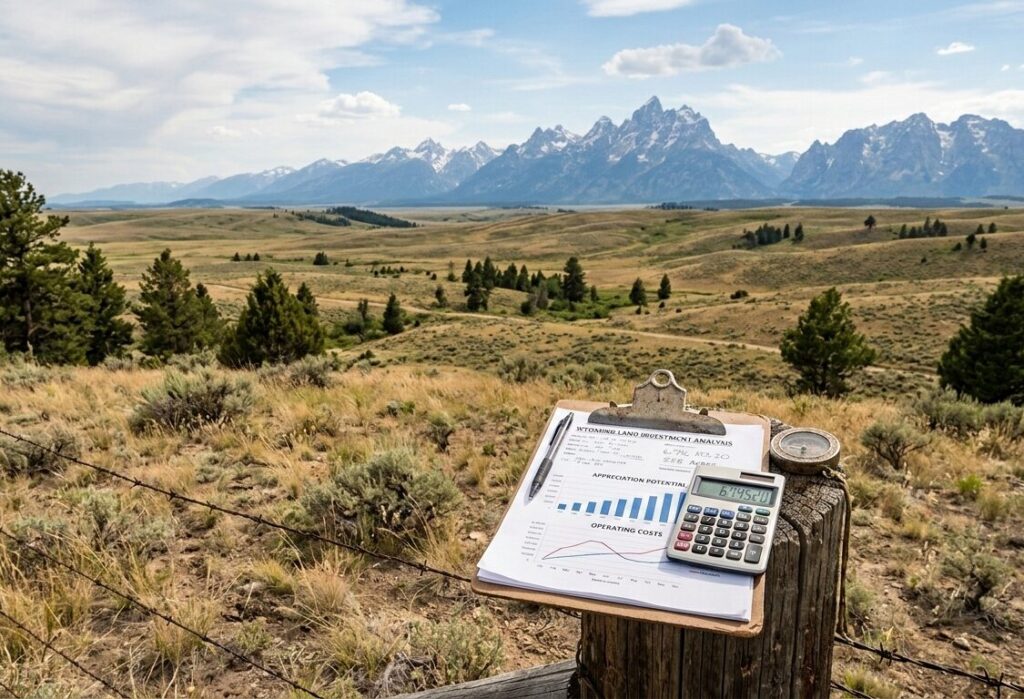
One of the most attractive aspects of Wyoming for this specific strategy is the tax environment. High property taxes can erode the potential profits of a long-term hold, but Wyoming consistently ranks among the most tax-friendly states in the country. This lower overhead makes it much easier to hold a land banking investment for five, ten, or even twenty years without the carrying costs becoming a burden.
However, you must still factor in the opportunity cost of your capital. Since the land is not producing monthly cash flow, the eventual appreciation must be high enough to outperform what that money could have earned in a high-yield savings account or an index fund. Most successful land bankers target a minimum of a three-fold return on their initial purchase to account for the time value of money and the lack of liquidity during the holding period.
Strategic Acquisition for Future Development
When you are ready to enter the market, you shouldn’t just buy any open field. You want land that has “utility.” This means it has access to a public road, is relatively flat or buildable, and is within a reasonable distance of existing water and sewer connections. In many cases, investors look for commercial property buyers who might be interested in the land down the road for retail or office space.
Positioning your land banking investment near existing commercial clusters is a proven way to ensure demand. As businesses expand, they often need more parking, larger warehouses, or secondary locations. If your land is the only viable spot for that expansion, you are in a powerful negotiating position. It is less about what the land is doing today and everything about what it could be doing in a decade.
Diversification Through Tangible Assets
In an era where digital assets and paper wealth can disappear overnight, there is a profound psychological and financial comfort in owning a piece of the earth. A land banking investment offers a level of permanence that other investments lack. It cannot be hacked, it cannot go bankrupt, and it will always have a baseline value because of its physical nature.
This tangibility also allows for creative ways to offset carrying costs. Some investors lease their land to local farmers for grazing or to outdoor enthusiasts for seasonal use. While this usually doesn’t generate a massive profit, it can often cover the annual property taxes, effectively making the hold “free” while you wait for the surrounding area to develop. This makes a land banking investment even more sustainable over a long period.
The Path of Progress in 2026
We are currently seeing a “de-urbanization” trend where families are seeking more space and a higher quality of life. This shift is pushing the boundaries of cities further out than ever before. For a land banking investment, this means that the “fringe” properties of 2020 are now the “prime” residential lots of 2026. If you follow the movement of schools, grocery stores, and medical facilities, you are following the money.
The strategy requires a mindset shift. You aren’t looking for a house to live in; you are looking for a footprint that a future version of society will need. Whether it is for a new school, a data center, or a luxury gated community, your role is to secure that footprint early. Analysis from the PwC Emerging Trends in Real Estate 2026 report confirms that niche sectors like data centers and specialized housing are driving a new wave of land demand in secondary markets, making early acquisition a vital strategy for long-term wealth.
Environmental and Zoning Considerations
Before finalizing any purchase, it is imperative to check for “red flags” that could stall future development. This includes checking for wetlands, protected animal habitats, or soil issues that would make building difficult. In Wyoming, water rights are also a significant factor. Owning the land is one thing, but ensuring that future owners have the right to tap into water resources is what truly drives the value of a land banking investment.
Zoning is the second major hurdle. You want to buy land that is either already zoned for your intended future use or is in an area where “up-zoning” is common and encouraged by the local government. A land banking investment is much safer when you are aligned with the city’s long-term vision rather than fighting against it. Engaging with local planning boards can provide a roadmap of where the community wants to see growth over the next twenty years.
The Role of Patience in Wealth Creation
The biggest mistake a land investor can make is getting impatient. The real money in this sector is made in the final 10 percent of the holding period, right when the development pressure is at its highest. If you sell too early, you might miss the largest jump in valuation. A land banking investment is a marathon, not a sprint.
Those who have the financial fortitude to wait out market cycles often find that land is their best-performing asset over the long haul. It is a quiet, steady builder of wealth that works in the background while you focus on your day-to-day life. In 2026, as the world moves faster and faster, there is something to be said for an investment that rewards slow, steady growth.
Conclusion
A land banking investment is more than just a real estate transaction; it is a strategic move to capture the future value of a developing region. By focusing on the path of progress, understanding local infrastructure, and maintaining a long-term perspective, you can turn raw acreage into a powerful financial engine. While it requires a specific set of skills and a high degree of patience, the ability to own a scarce, tangible resource in a growing market like Cheyenne is an opportunity that few other asset classes can match. As the saying goes, “Buy land, they’re not making it anymore.”
Frequently Asked Questions
What exactly is land banking?
It is the practice of purchasing undeveloped land with the intention of holding it for a long period until it appreciates in value or becomes ready for profitable development.
How does land banking generate profit?
Profit is generated through capital appreciation. As the area around the land develops, the demand for that specific plot increases, allowing the investor to sell it to developers at a significantly higher price than the original purchase.
Is land banking investment risky?
Like all investments, it carries risk. The primary risks include changes in zoning laws, environmental restrictions, and the possibility that the expected growth in the area happens slower than anticipated.
How much capital do I need to start?
The entry point varies wildly based on location. In some rural areas, you can start with a relatively small amount, while parcels near major city hubs will require a much larger initial investment.
What are the taxes like on raw land?
In Wyoming, property taxes on undeveloped land are typically very low, which makes it an ideal place for a long-term hold strategy. However, you should always consult with a local expert to get an accurate estimate for a specific parcel.
Do I need to manage the land while I hold it?
Minimal management is required. You may need to ensure the property is clear of debris or noxious weeds to comply with local ordinances, but you won’t have the typical maintenance associated with buildings.
How long should I expect to hold the land?
Most professional land bankers look at a horizon of 5 to 15 years. This allows enough time for major infrastructure projects and population shifts to significantly impact the land’s value.