The idea of wide-open spaces, rugged mountains, and a significantly slower pace of life has made the Cowboy State a top destination for those looking to escape crowded metropolitan hubs. Whether you are a remote worker seeking a quiet landscape or a family looking for a safer environment, the logistical transition requires a deep dive into your finances. Understanding the Cost of relocating to Wyoming involves more than just checking moving truck prices; it requires a comprehensive look at the tax advantages, housing market shifts, and daily living expenses that define life in high-altitude terrain.
As we move through 2026, Wyoming continues to stand out as a fiscal haven. With no state income tax and some of the lowest property tax rates in the nation, the financial incentive is clear. However, the geographic isolation of certain regions can lead to higher costs in areas like groceries or specialized healthcare. To make an informed decision, you must weigh the substantial tax savings against the realities of living in a state where a car is a necessity and the winters demand a robust utility budget.
The Tax Advantage: Why Your Paycheck Goes Further
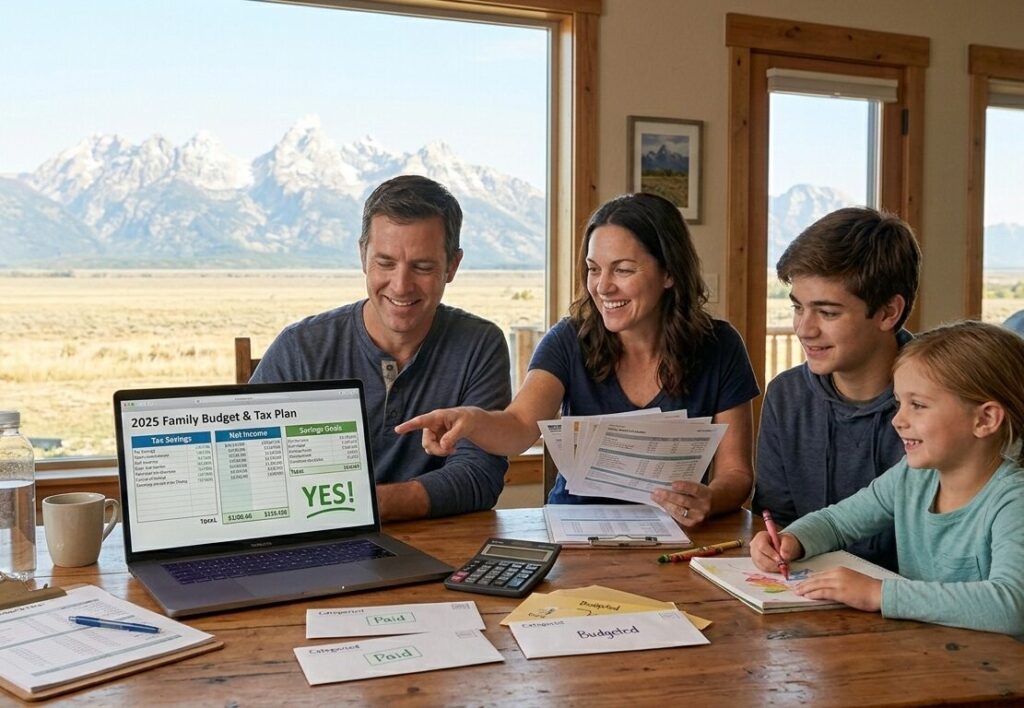
The most immediate benefit mentioned by anyone considering the cost of relocating to Wyoming is the absence of state income tax. When you calculate your total budget, this ‘hidden’ savings often offsets the higher costs of shipping goods to more remote areas. Recent 2026 cost of living data for Wyoming indicates that while overall expenses are 5% lower than the national average, the lack of state income tax effectively stretches the dollar much further for the average household.
This tax-friendly environment extends beyond just your paycheck. Wyoming does not tax retirement income, including Social Security benefits and 401(k) distributions. This makes it a premier destination for retirees who want to protect their nest eggs. Additionally, the state has no corporate income tax, which has spurred a recent boom in small business startups and remote entrepreneurship. When you calculate your total budget, this “hidden” savings often offsets the higher costs of shipping goods to more remote areas.
Real Estate and Housing Market Trends in 2026
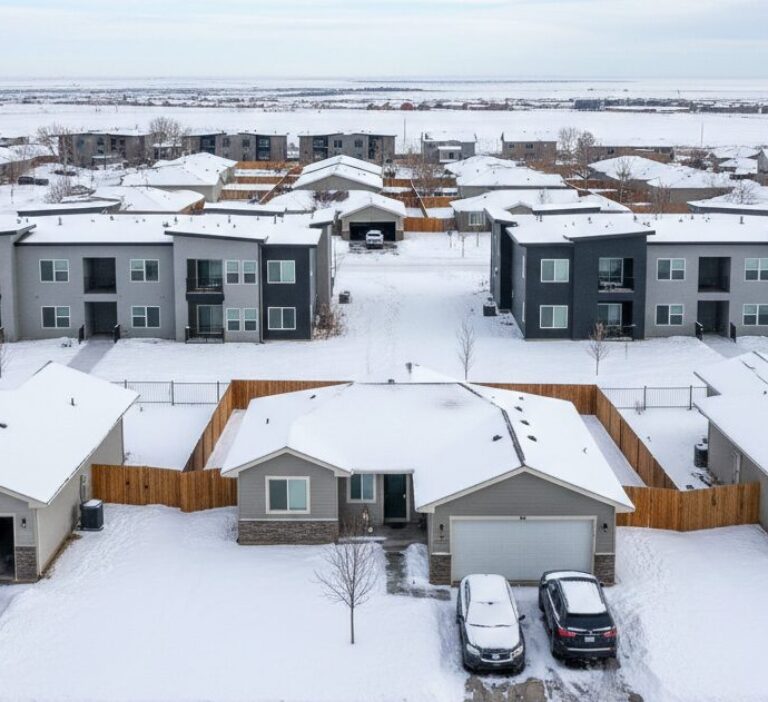
Housing remains the largest variable in the cost of relocating to Wyoming. While the statewide median home price is often lower than the national average, the market is highly localized. In the capital city of Cheyenne, the housing market has seen steady growth due to its proximity to the Colorado border and its stable job market. Buyers often look for houses for sale in Wyoming that offer a balance between modern amenities and the classic western aesthetic.
In 2026, the median home price in Cheyenne hovers around $375,000, while more remote towns like Casper or Gillette offer entry points closer to $300,000. It is important to note that the luxury market in Jackson Hole operates in a completely different stratosphere, with median prices often exceeding several million dollars. For the average relocator, focusing on Laramie County provides the best blend of affordability and infrastructure. Understanding the property tax in Cheyenne is also vital; at an effective rate of approximately 0.58%, a $400,000 home might only cost you around $2,300 in annual taxes, a fraction of what you would pay in the Midwest or the East Coast.
Utilities and the Reality of Wyoming Winters
One area where the cost of relocating to Wyoming can surprise newcomers is the utility bill, specifically during the long winter months. Wyoming is known for its wind and freezing temperatures, meaning your heating system will be working overtime from October through April. While electricity rates in Wyoming are among the most competitive in the country, averaging about 15 cents per kWh in 2026, the sheer volume of energy needed to heat a large home can add up.
Natural gas is the most common heating source, and while prices are generally stable, residents should budget for winter spikes. On average, a 2,000-square-foot home might see monthly utility bills (including water, sewer, and trash) ranging from $180 in the summer to over $350 in the peak of winter. Many residents choose to mitigate these costs by investing in high-efficiency insulation or pellet stoves, which are popular additions to Wyoming households.
Transportation and Vehicle Maintenance
In the Cowboy State, a reliable vehicle is not a luxury, it is a lifeline. There is virtually no public transportation outside of small downtown shuttles in university towns. When factoring in the cost of relocating to Wyoming, you must include the expense of owning and maintaining a four-wheel-drive (4WD) or all-wheel-drive (AWD) vehicle. The vast distances between towns mean you will likely be putting more miles on your car than you did in an urban environment.
Gas prices in Wyoming generally trend slightly below the national average due to the state’s significant oil production. However, you should account for “winterization” costs. This includes purchasing a dedicated set of winter tires, which are essential for navigating icy mountain passes, and regular undercarriage washes to remove the magnesium chloride and salt used on the roads. For those moving to Wyoming from a city where they relied on ride-sharing, the shift to personal vehicle ownership, including insurance and registration fees, can be a significant line item in the first year’s budget.
Groceries, Healthcare, and Everyday Goods
Because Wyoming is a land-locked state with a low population density, the supply chain for everyday goods is longer. This can lead to slightly higher prices at the grocery store compared to major metropolitan hubs where competition is more fierce. In 2026, a gallon of milk or a loaf of bread in a town like Sheridan or Cody may cost 5% more than the national average.
Healthcare is another critical consideration. While the quality of care in hubs like Cheyenne and Casper is excellent, specialized procedures may require a trip to Denver or Salt Lake City. Residents often find that while routine doctor visits are reasonably priced, the cost of health insurance premiums can be higher due to the limited number of providers in the state. If you are a remote worker, checking your provider’s network coverage in rural zip codes is a necessary step before finalizing your relocation.
Education and Childcare Costs
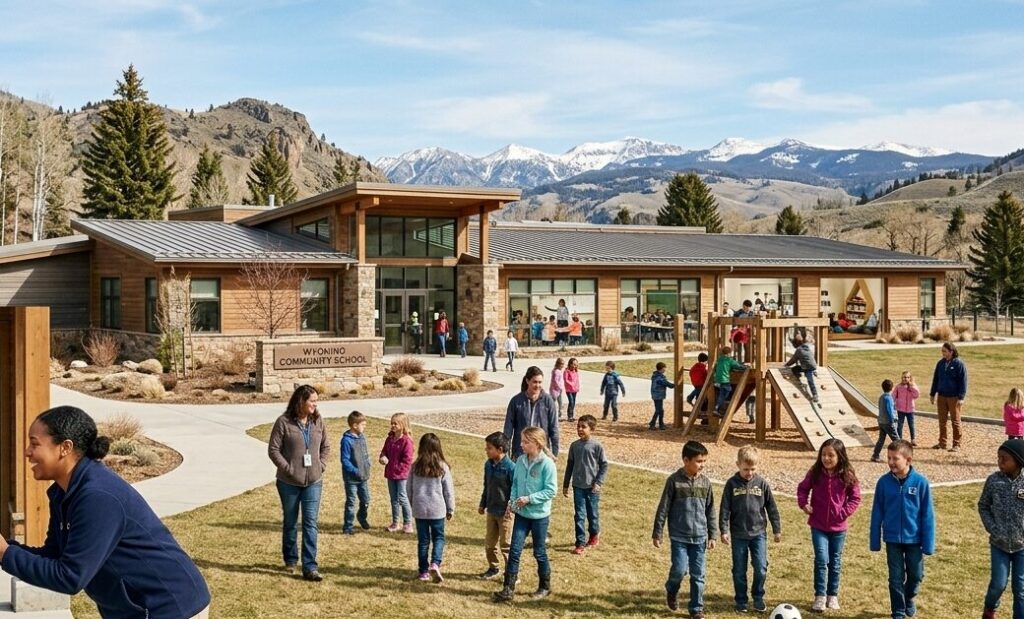
For families, the cost of relocating to Wyoming includes the transition to a new school system. Fortunately, Wyoming invests heavily in its public education system, thanks to revenue from mineral royalties. The state ranks high in per-pupil spending, which translates to modern facilities and small class sizes without the need for high local school taxes.
Childcare, however, remains a challenge in many parts of the state. In 2026, the average cost for full-time infant care in a licensed facility ranges from $800 to $1,100 per month. Because many communities are small, waiting lists for the top-rated daycare centers can be long. Many families opt for “in-home” daycare options, which are often more affordable and provide a closer-knit community feel, but these require diligent research to ensure they meet your personal standards for safety and early childhood education.
Moving Logistics: The Physical Move
The actual physical act of moving to a high-altitude state carries its own set of costs. If you are moving during the winter, you may face delays due to road closures on major arteries like I-80, which can be shut down for days due to high winds and ground blizzard conditions. Hiring professional movers who are experienced with mountain driving is highly recommended.
A full-service move for a three-bedroom home from a distance of 1,000 miles can cost anywhere from $4,500 to $8,000 in 2026. If you choose the DIY route with a rental truck, remember that gas mileage will decrease significantly as you climb in elevation. Additionally, you may need to rent a storage unit if you are moving into a smaller home or waiting for a new construction build to be completed.
Lifestyle and Entertainment: The “Free” Perks
While we spend a lot of time talking about the monetary cost of relocating to Wyoming, it is important to mention the “lifestyle dividend.” Wyoming offers world-class outdoor recreation that would cost thousands of dollars elsewhere. From hiking in the Snowy Range to fishing the Miracle Mile, your “entertainment budget” often shifts from paid events like movies and concerts to gear-based hobbies like camping and skiing.
National park passes, fishing licenses, and state park permits are relatively inexpensive for residents. This shift toward an outdoor-centric lifestyle often leads to a reduction in miscellaneous spending. Instead of weekend trips to the mall, Wyomingites spend their time in the mountains. This change in consumer behavior is one of the most cited reasons why residents feel their quality of life has improved despite some of the higher costs for physical goods.
Planning Your Move: A 2026 Checklist
To successfully manage the cost of relocating to Wyoming, you should start your financial planning at least six months in advance. Begin by requesting a cost-of-living comparison between your current city and your target Wyoming destination.
- Calculate Tax Savings: Use a 2026 tax calculator to see exactly how much your take-home pay will increase without a state income tax.
- Review Insurance Policies: Get quotes for auto insurance that include 4WD coverage and home insurance that accounts for high-wind and hail damage.
- Budget for Gear: If you don’t already own winter clothing and vehicle accessories, set aside $2,000 for high-quality gear that will last you several seasons.
- Establish Local Contacts: Reach out to a local real estate professional who understands the nuances of the Wyoming market.
By treating the relocation as a strategic financial move rather than just a change of scenery, you can maximize the benefits of the Wyoming economy while avoiding the common pitfalls of a mountain transition.
Conclusion
Relocating to the Cowboy State is a transformative experience that offers a unique blend of financial freedom and rugged adventure. While the cost of relocating to Wyoming involves specific challenges, such as winter utility spikes and the necessity of vehicle maintenance, the overall tax structure and high quality of life make it a compelling choice for many in 2026. By understanding the local markets in places like Cheyenne and Casper, and by preparing for the geographic realities of the high plains, you can ensure that your move is as smooth as possible. Wyoming isn’t just a place to live; it is a place to thrive, provided you have the right information and a solid plan in place to navigate the financial landscape of the West.
Frequently Asked Questions
Is Wyoming really as tax-friendly as everyone says?
Yes, it is consistently ranked as one of the top three most tax-friendly states in the US. With no state income tax, no corporate tax, and very low property taxes, the “tax burden” per capita is significantly lower than the national average.
What is the most expensive part of the Cost of relocating to Wyoming?
Aside from the initial purchase of a home, transportation and winter heating are usually the highest ongoing costs. The need for a 4WD vehicle and the high energy consumption during the cold months are the primary drivers of these expenses.
Can I move to Wyoming without a car?
It is extremely difficult. Outside of very small pockets in Cheyenne or Laramie, there is no reliable public transit. Most residents find that a vehicle is necessary for groceries, healthcare, and employment.
How do property taxes in Wyoming work for out-of-state buyers?
Property taxes are based on the fair market value of the home. Residential property is assessed at 9.5% of its market value, and the local mill levy is then applied. Even for luxury properties, these rates remain significantly lower than in most other states.
What should I look for in a Wyoming home to keep costs down?
Look for homes with newer windows, updated insulation, and south-facing driveways. South-facing exposure helps melt snow naturally, saving you time and money on snow removal during the winter months.
Is there a lot of competition for houses in Wyoming right now?
In 2026, popular areas like Cheyenne and Laramie remain competitive, especially for “move-in ready” homes. However, the market is generally more stable and predictable than the volatile coastal markets.