Cheyenne, Wyoming, is an attractive city for families, retirees, and professionals due to its blend of small-town charm and access to urban amenities. Understanding the cost of living in Cheyenne WY is essential for anyone considering relocation, investing in real estate, or starting a new job in the area.
The city combines affordable housing, low taxes, and a friendly community with easy access to outdoor activities. By evaluating housing, utilities, groceries, transportation, and lifestyle expenses, you can make informed decisions and plan your budget efficiently.
Housing Costs in Cheyenne
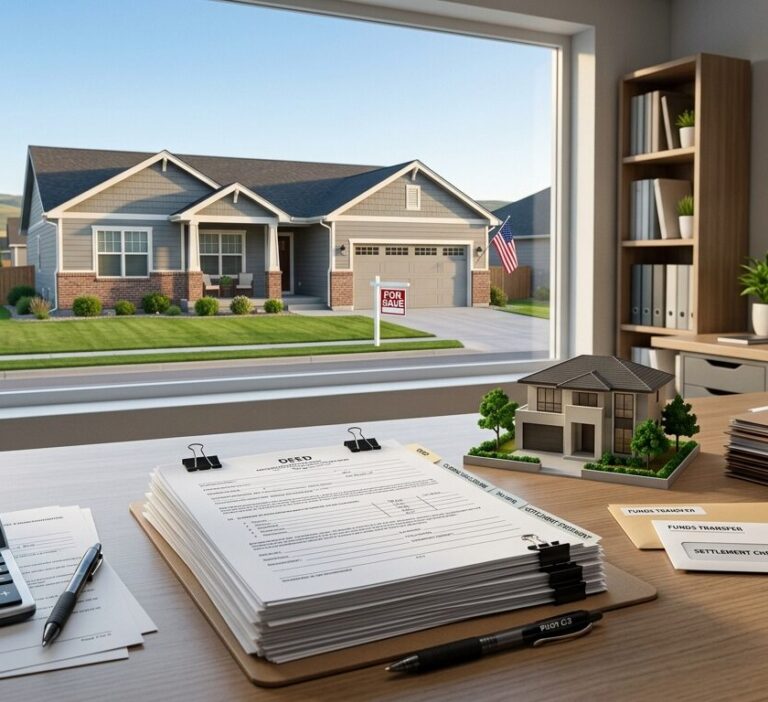
Housing is often the most significant portion of living expenses. Cheyenne offers a mix of single-family homes, condos, and apartments at prices generally lower than the national average.
- Median Home Prices: The median home price in Cheyenne is approximately $350,000, which is considerably lower than cities like Denver or Salt Lake City.
- Renting Options: Rent for a one-bedroom apartment averages $950–$1,200 per month, while two-bedroom apartments range from $1,200–$1,500 depending on location. Suburbs like South Cheyenne and Highland Park are popular among families and professionals. Watch Cheyenne homes for sale to see current listings in these neighborhoods.
- Luxury & New Construction: Cheyenne has newer developments and luxury homes in areas like Fox Farm and Sunrise Estates, providing options for buyers seeking modern amenities. Check out Cheyenne luxury homes to explore available properties in these premium neighborhoods..
Housing affordability is a major factor making Cheyenne attractive for both first-time buyers and investors looking for rental properties.
Utilities and Monthly Expenses
Utilities in Cheyenne are relatively reasonable but can vary depending on the size of your home, usage, and seasonal changes.
- Electricity: Monthly electricity bills average $120–$180.
- Water & Sewer: Water bills range from $40–$80 per month for an average household.
- Heating: Wyoming winters are cold, so heating costs can increase during peak winter months, averaging $100–$200 per month for gas or electric heating.
- Internet & Cable: High-speed internet typically costs $50–$80 per month, while cable packages vary based on provider and channels.
Groceries and Food Costs

Groceries in Cheyenne are generally lower than national averages. Monthly expenses for a family of four range from $600–$900, depending on dietary preferences. Key factors include:
- Local grocery stores and markets often have competitive pricing.
- Dining out is affordable, with mid-range restaurants averaging $12–$20 per meal per person.
- Specialty stores and organic products can increase overall food costs.
Cheyenne also has several farmers’ markets and local produce options, allowing residents to save on fresh, seasonal ingredients.
Transportation Costs
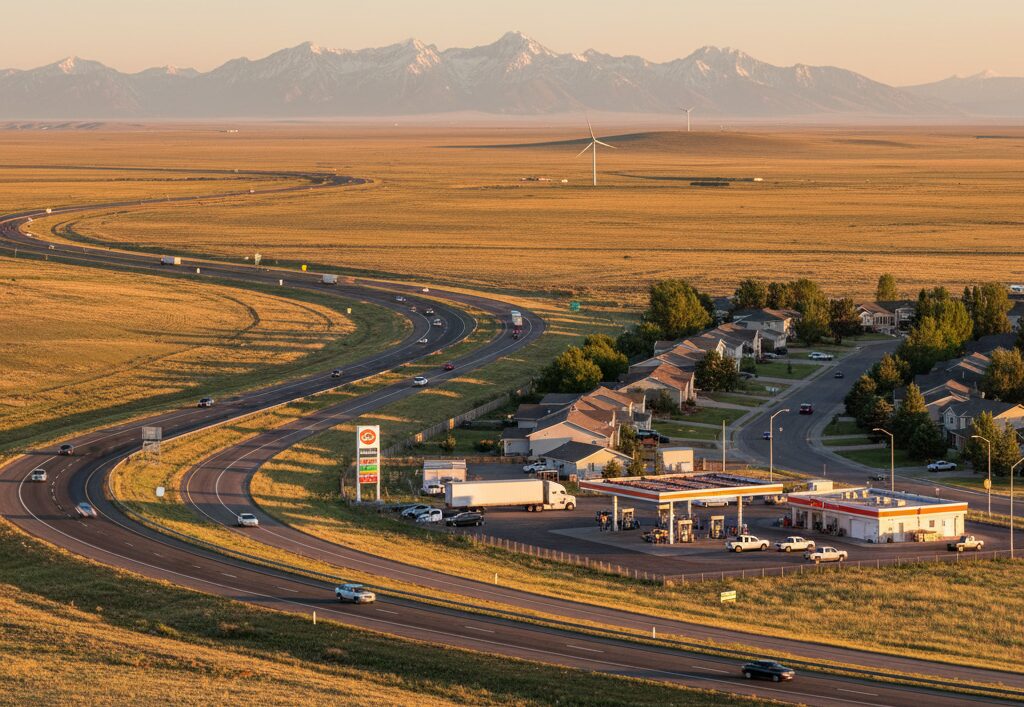
Cheyenne residents enjoy relatively low transportation costs, largely due to moderate commuting distances and minimal traffic congestion compared to major metropolitan areas.
- Gas Prices: Average gas prices hover around $3.50 per gallon, lower than the U.S. average.
- Car Maintenance: Annual maintenance averages $500–$800 per vehicle.
- Public Transit: Cheyenne has limited public transit options; most residents rely on personal vehicles.
Proximity to major highways makes commuting efficient for work or accessing nearby cities like Denver.
Healthcare and Insurance Costs
Healthcare is another significant factor in Cheyenne’s cost of living.
- Health Insurance: Monthly premiums vary, averaging $300–$600 per individual depending on coverage.
- Medical Services: Primary care visits cost around $100–$150, while specialist appointments may range $150–$250.
- Pharmacy & Prescriptions: Drug costs are generally consistent with national averages, but local pharmacies often have competitive pricing.
Cheyenne has several hospitals and clinics, providing quality healthcare access for residents without needing to travel far.
Taxes in Cheyenne
One of Cheyenne’s advantages is its tax-friendly environment:
- State Income Tax: Wyoming has no state income tax, making it attractive for professionals and retirees.
- Property Taxes: Property taxes are below the national average, with homeowners paying around 0.6–0.7% of assessed property value annually.
- Sales Tax: The state sales tax rate is 4%, with additional local taxes bringing it to around 6%.
These factors make Cheyenne particularly appealing for individuals and families seeking financial stability and lower overall living expenses.
Lifestyle & Entertainment Costs
Cheyenne offers a variety of affordable entertainment and recreational activities:
- Outdoor Activities: Cheyenne residents enjoy hiking, biking, fishing, and skiing in nearby mountain areas.
- Cultural Events: The city hosts events like Cheyenne Frontier Days, concerts, and local art festivals.
- Dining & Shopping: Local restaurants, cafes, and shops provide diverse options for all budgets.
Overall, lifestyle costs in Cheyenne are moderate, allowing residents to enjoy a balanced life and take full advantage of the city’s community and lifestyle opportunities without the high expenses typical of larger cities.
Tips for Managing Cost of Living in Cheyenne
- Choose Affordable Neighborhoods: Areas like South Cheyenne and Highland Park offer lower housing costs while remaining close to schools and amenities.
- Energy Efficiency: Investing in energy-efficient appliances and home insulation reduces heating and cooling bills.
- Budget for Seasonal Expenses: Winter heating and summer cooling costs can fluctuate significantly.
- Shop Local: Take advantage of local markets and grocery stores for competitive pricing.
- Use Public Resources: Libraries, parks, and community centers offer free or low-cost entertainment.
Conclusion
The cost of living in Cheyenne WY is generally lower than in major metropolitan areas, making it an appealing choice for families, retirees, and professionals. Housing, utilities, groceries, and transportation are affordable, while the city offers access to quality healthcare, outdoor activities, and cultural amenities. By understanding expenses and planning a budget accordingly, residents can enjoy a high quality of life without financial strain. Cheyenne’s combination of affordability, community, and lifestyle opportunities makes it a strong option for relocation or real estate investment.
FAQs: Cost of Living in Cheyenne WY
Q1: Is Cheyenne an affordable place to live?
Yes, housing, utilities, and general living expenses are lower than many U.S. cities.
Q2: How much does it cost to rent in Cheyenne?
One-bedroom apartments range $950–$1,200; two-bedrooms $1,200–$1,500.
Q3: Are property taxes high in Cheyenne?
No, they are below the national average, around 0.6–0.7% of assessed value.
Q4: How expensive is healthcare in Cheyenne?
Health insurance premiums average $300–$600 per month, with moderate medical service costs.
Q5: What neighborhoods are best for affordable housing?
South Cheyenne and Highland Park offer affordable homes close to amenities.
Q6: Are utilities expensive in Cheyenne?
Utilities are reasonable, but heating and cooling can increase bills seasonally.
Q7: Is Cheyenne suitable for families and retirees?
Yes, the city provides good schools, recreational options, and a low-tax environment.