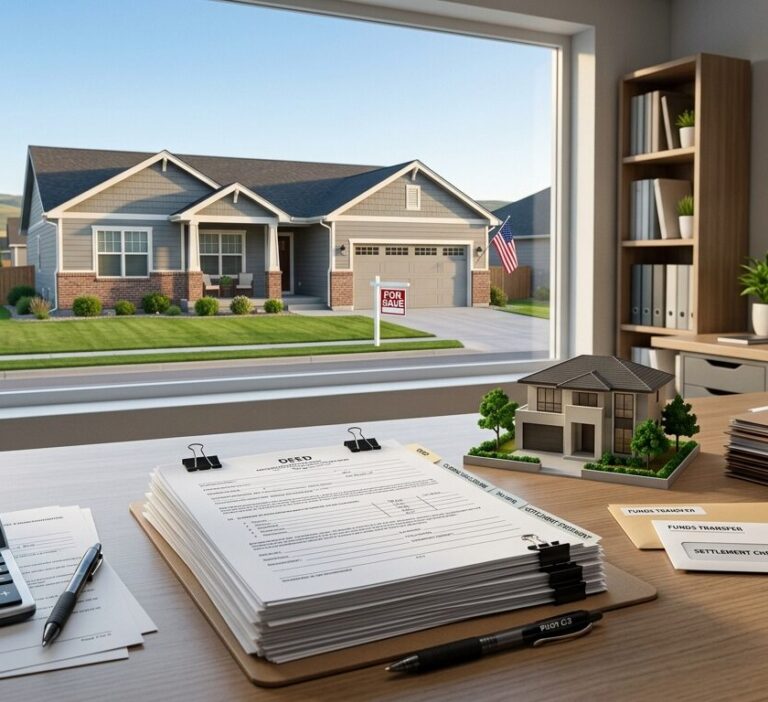
A commercial real estate appraisal is a critical step in buying, selling, financing, or investing in commercial properties. Whether you own an office building, retail space, warehouse, or mixed use property, understanding how commercial property values are determined can help you make confident, informed decisions.
At For Sale Cheyenne, we guide property owners, investors, and buyers through every stage of the commercial real estate journey. This comprehensive guide explains its process, its types, and the key factors that impact valuation.
What Is Commercial Real Estate Appraisal?
It is a professional, unbiased assessment of a property’s market value. It is conducted by a licensed commercial appraiser who evaluates financial performance, location, condition, and market demand.
Commercial appraisals are commonly required when you:
- Buy or sell a commercial property
- Apply for commercial financing
- Refinance an existing property
- Establish property value for tax or legal purposes
If you’re planning to sell commercial property, an accurate appraisal ensures your listing is competitively priced and market ready.
Why Commercial Real Estate Appraisal Matters
Accurate property valuation protects both buyers and sellers. An overvalued property may sit on the market for months, while an undervalued one can result in financial loss.
Key benefits include:
- Fair market pricing
- Stronger negotiating position
- Lender and investor confidence
- Smarter investment decisions
If you’re looking to buy commercial property in Cheyenne, understanding appraisal values helps you avoid overpaying and identify properties with strong return potential.
Process

The appraisal process follows a structured methodology to ensure credibility and accuracy.
1. Property Inspection
The appraiser conducts a detailed site visit to assess:
- Building condition
- Square footage
- Construction quality
- Age and maintenance level
- Parking, access, and zoning compliance
2. Market Research
Local market conditions are analyzed, including:
- Comparable property sales
- Lease rates
- Vacancy trends
- Demand for similar commercial properties in Cheyenne
3. Financial Analysis
For income producing properties, the appraiser reviews:
- Rental income
- Operating expenses
- Net operating income (NOI)
- Expense ratios
4. Valuation Method Application
One or more appraisal approaches are applied (explained below).
5. Final Appraisal Report
The appraiser prepares a detailed report explaining the property’s value, assumptions, and methodology used.
Types of Commercial Real Estate Appraisal Methods

Different properties require different valuation approaches.
1. Income Capitalization Approach
This is the most common method for commercial properties. It evaluates value based on income potential.
Best for:
- Office buildings
- Retail centers
- Apartment complexes
- Industrial properties
Formula:
Value = Net Operating Income ÷ Capitalization Rate
2. Sales Comparison Approach
This method compares the subject property to recently sold similar properties.
Best for:
- Owner occupied commercial buildings
- Smaller mixed use properties
3. Cost Approach
This calculates the cost to rebuild the property minus depreciation, plus land value.
Best for:
- New construction
- Special use commercial buildings
Appraisers often use a combination of methods to arrive at the most accurate valuation.
Key Factors Affecting Commercial Real Estate Appraisal
Several variables directly influence appraisal outcomes.
Location
Properties in high traffic areas or strong business districts typically appraise higher. Proximity to highways, public transportation, and amenities adds value.
Property Condition
Well maintained buildings with updated systems command higher valuations.
Market Demand
Supply and demand trends within Cheyenne’s commercial real estate market significantly impact value.
Lease Structure
Long term leases with stable tenants increase income reliability and appraisal value.
Zoning and Legal Use
Proper zoning, permitted uses, and compliance with regulations are essential valuation drivers.
Common Appraisal Challenges to Avoid
- Incomplete income documentation
- Poor property maintenance
- Unrealistic seller price expectations
- Ignoring local market trends
Working with experienced professionals helps avoid costly mistakes when you sell commercial property or negotiate a purchase.
Commercial Real Estate Appraisal for Buyers
For buyers, an appraisal:
- Confirms fair market value
- Supports financing approval
- Protects against overpayment
If you’re ready to buy commercial property, our team at For Sale Cheyenne can help you identify high value opportunities aligned with strong appraisal fundamentals.
Commercial Real Estate Appraisal for Sellers
For sellers, an appraisal:
- Establishes competitive asking price
- Attracts serious buyers
- Strengthens negotiation power
Before listing, consider a professional appraisal to maximize value and reduce time on market.
Why Choose For Sale Cheyenne?
At For Sale Cheyenne, we specialize in helping clients navigate every aspect of commercial real estate valuation, acquisition, and sales strategy. Whether you’re an investor, business owner, or first time buyer, our expert guidance ensures confident transactions backed by data and local market knowledge.
Planning your next move? Visit our Contact Us page to speak with our team today.
Conclusion
A commercial real estate appraisal is more than just a number—it’s a strategic tool that shapes smarter buying, selling, and investment decisions. By understanding the process, appraisal types, and valuation factors, you gain a clear advantage in the competitive commercial real estate market.
Whether you’re preparing to sell, evaluating investments, or ready to buy, For Sale Cheyenne is here to help you every step of the way.
FAQs
1. What is commercial real estate appraisal?
A commercial real estate appraisal is a professional valuation that determines the market value of income-producing or business-use properties such as offices, retail spaces, and industrial buildings.
2. Why is commercial real estate appraisal important?
It ensures fair pricing, supports financing, protects buyers from overpaying, and helps sellers list properties competitively in the market.
3. Who needs a commercial real estate appraisal?
Buyers, sellers, investors, lenders, and property owners all require appraisals for buying, selling, refinancing, tax assessments, or legal purposes.
4. What are the main types of commercial real estate appraisal methods?
The three main methods are the income capitalization approach, sales comparison approach, and cost approach, depending on property type and use.
5. How long does a commercial real estate appraisal take?
Typically, the process takes 1–3 weeks, depending on property size, complexity, and data availability.
6. What factors affect commercial real estate appraisal value?
Key factors include location, property condition, rental income, market demand, lease terms, zoning, and recent comparable sales.