Selling a home in the Equality State is an exciting venture, but many homeowners are surprised to find that the final check they receive at the closing table is not the same as the initial sales price. While Wyoming is known for its tax-friendly environment and lack of state income tax, there are still various financial obligations that must be settled to finalize a real estate transaction. Being prepared for these expenses is the best way to ensure a smooth transition to your next chapter without any last-minute stress.
Understanding the breakdown of these costs is essential for any property owner looking to maximize their return on investment. From title insurance to prorated taxes, the list of line items can seem overwhelming at first glance. However, by educating yourself on the standard practices in the local market, you can better negotiate with buyers and budget for your move. This guide will walk you through everything you need to know about the various fees and requirements involved in a typical Wyoming home sale.
The Foundation of Seller Expenses
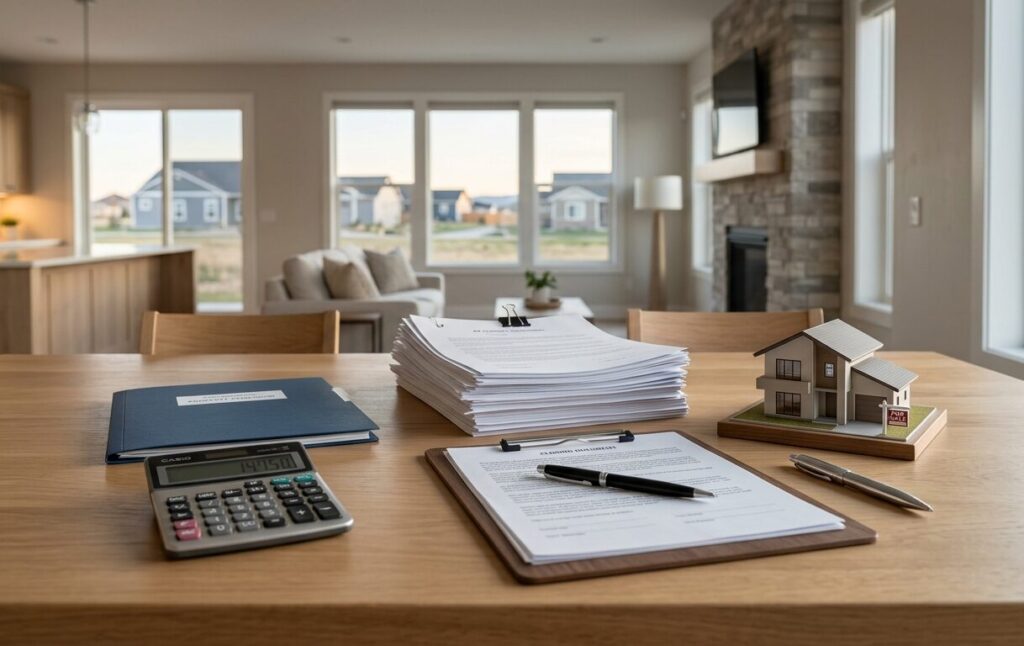
When you begin calculating your potential net proceeds, the largest single expense is typically the professional commission paid to the real estate agents involved in the deal. In most cases, the seller covers the commission for both their listing agent and the buyer’s agent. This fee covers the marketing, photography, staging advice, and negotiation expertise that helps get the home sold in a competitive market. While this represents a significant portion of the total closing costs for sellers in Wyoming, it is an investment in professional representation that often results in a higher final sales price.
Beyond commissions, the next major category involves the title work. Title companies play a vital role in ensuring that the property can be legally transferred from one person to another. This involves a thorough search of public records to confirm there are no outstanding liens, judgments, or ownership disputes. In Wyoming, it is traditional for the seller to pay for the owner’s title insurance policy, which protects the buyer’s future ownership rights. While the buyer usually pays for their lender’s policy, the seller’s contribution to title insurance is a standard part of the local closing process.
Property Taxes and Prorations
Wyoming real estate taxes are paid in arrears, which means the bill you pay in the current year actually covers the previous year’s ownership. At the closing table, you will be responsible for paying your share of the property taxes up to the exact day you hand over the keys. This is handled through a process called proration. The title company calculates the daily tax rate and ensures that the buyer receives a credit from the seller to cover those days.
This is often one of the most confusing closing costs for sellers in Wyoming because it does not require an out-of-pocket check. Instead, it is deducted from your equity at closing. If you have an escrow account with your mortgage company, you may eventually receive a refund check for any overpaid taxes, but the initial credit to the buyer happens during the settlement. Understanding how these credits work is key to an accurate net sheet. For a deeper look at local tax rates, you can review a Cheyenne WY real estate taxes explained resource to see how Laramie County assessments might impact your final numbers.
Addressing Mortgage Payoffs and Liens
If you currently have a loan on your home, your mortgage payoff will likely be your largest deduction. It is important to remember that your payoff amount is not the same as the balance shown on your last monthly statement. Mortgage interest is calculated daily, so the title company must request an official payoff quote that includes interest through the actual closing date. They will also include fees for recording the “Satisfaction of Mortgage” with the county clerk to show the public that the lien has been cleared.
In addition to your primary mortgage, any secondary liens must be settled. This includes home equity lines of credit (HELOCs), solar panel loans that are attached to the property, or even mechanic’s liens from recent repairs. These are mandatory closing costs for sellers in Wyoming because a buyer cannot receive a “clear title” until all these financial encumbrances are removed. Clearing these items early in the listing process prevents delays once you have a signed contract in hand.
Preparation and Repair Costs
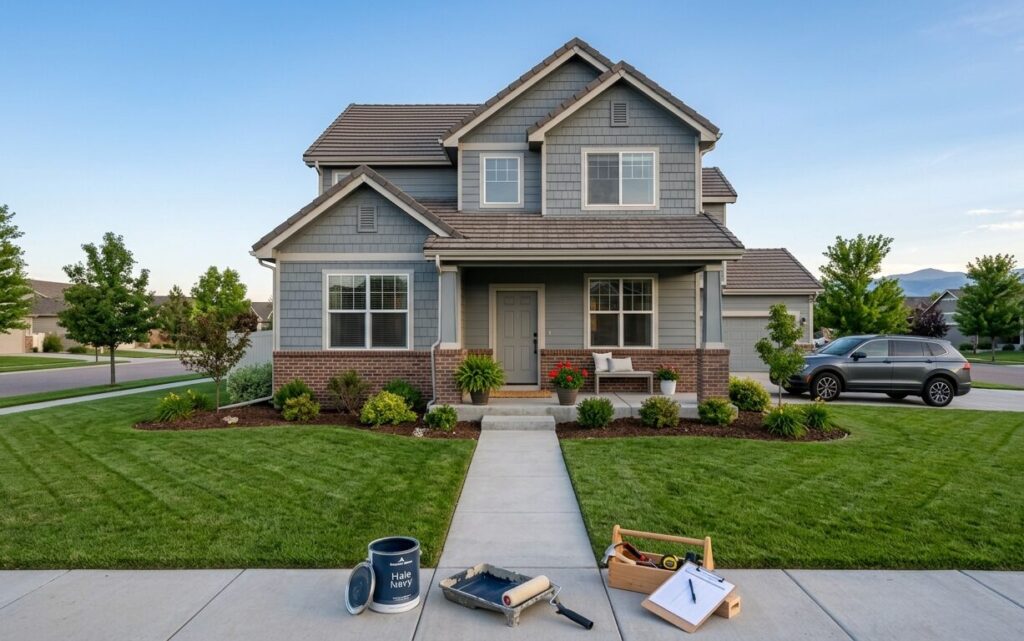
While not strictly part of the settlement statement, the money you spend to get your home ready for market is a real part of your total selling expense. In today’s market, buyers are often looking for homes that are move-in ready. This might mean spending money on professional cleaning, fresh paint, or minor landscaping to boost curb appeal. Some sellers choose to perform a pre-listing inspection to identify potential deal-breakers before they ever hit the market.
Often, after the buyer performs their own inspection, they may request repairs or a financial credit in lieu of repairs. Negotiating these items is a standard part of the process. If you agree to a repair credit, that amount will show up as one of your closing costs for sellers in Wyoming and will be deducted from your proceeds. If you are preparing for a sale and want to know what a buyer’s inspector might look for, checking a Cheyenne WY home inspection checklist can help you get ahead of potential negotiation points.
Document Preparation and Settlement Fees
The title company or the attorney handling the closing will charge a fee for their services. This includes preparing the deed, coordinating with the lenders, and acting as an escrow agent to hold the earnest money and final funds. In Wyoming, these settlement fees are often split between the buyer and the seller, although this is negotiable. Sellers are also typically responsible for the cost of preparing the new warranty deed that transfers the property.
You might also encounter small miscellaneous fees for wire transfers, courier services, or notary signatures. While each of these might only be a few hundred dollars, they add up. When looking at the overall closing costs for sellers in Wyoming, these administrative fees ensure that the legal paperwork is filed correctly with the county and that your funds are delivered securely to your bank account. A small error in the legal description or a missing signature can cause significant legal headaches later, making these professional fees well worth the cost.
HOA and Transfer Fees
If your home is located within a Homeowners Association (HOA), you will have specific costs related to that organization. Most HOAs charge a fee to provide a “Status Letter” or “Resale Certificate,” which proves to the buyer and title company that your dues are current and there are no outstanding violations on the property. There may also be a transfer fee charged by the association management company to update their records with the new owner’s information.
Depending on your specific community, you may also need to pay for a final utility reading or a special assessment if the community recently completed major repairs. These closing costs for sellers in Wyoming are often overlooked until the final week of the transaction. If you are selling a home in one of the top Cheyenne neighborhoods that features an active HOA, it is a good idea to contact your board early to get a list of their required fees for a title transfer.
The Impact of Seller Concessions
In some market conditions, a buyer may ask the seller to contribute toward the buyer’s own closing costs. This is known as a seller concession. While this does not mean you are paying the buyer’s fees out of your pocket, it does mean that the amount is deducted from your final profit. For example, if you sell your home for $400,000 but agree to a 3% concession, you are essentially receiving $388,000 before other costs are even considered.
Seller concessions are often used to help first-time buyers who have enough for a down payment but are short on the cash needed for their loan origination fees and prepaids. While these are technically optional closing costs for sellers in Wyoming, they are frequently used as a strategic tool to close a deal quickly. Understanding how these concessions affect your bottom line is vital when you are reviewing multiple offers and trying to determine which one provides the best net return.
Warranty and Possession Fees
To give buyers peace of mind, many sellers offer a one-year home warranty. This covers major systems like the furnace, water heater, and kitchen appliances. While not a legal requirement, it is a common incentive that can make your listing more attractive. The cost of a standard warranty is usually several hundred dollars and is paid at the time of closing.
Additionally, if you need to stay in the home for a few days after the official closing date, you may enter into a post-closing occupancy agreement. In this scenario, you might pay the buyer a per-diem “rent” for the days you remain in the property. This daily rate and any associated security deposits are handled through the settlement statement. These logistical closing costs for sellers in Wyoming allow for a more flexible moving schedule, which can be invaluable if your new home is not quite ready for move-in.
Recording Fees and State Requirements
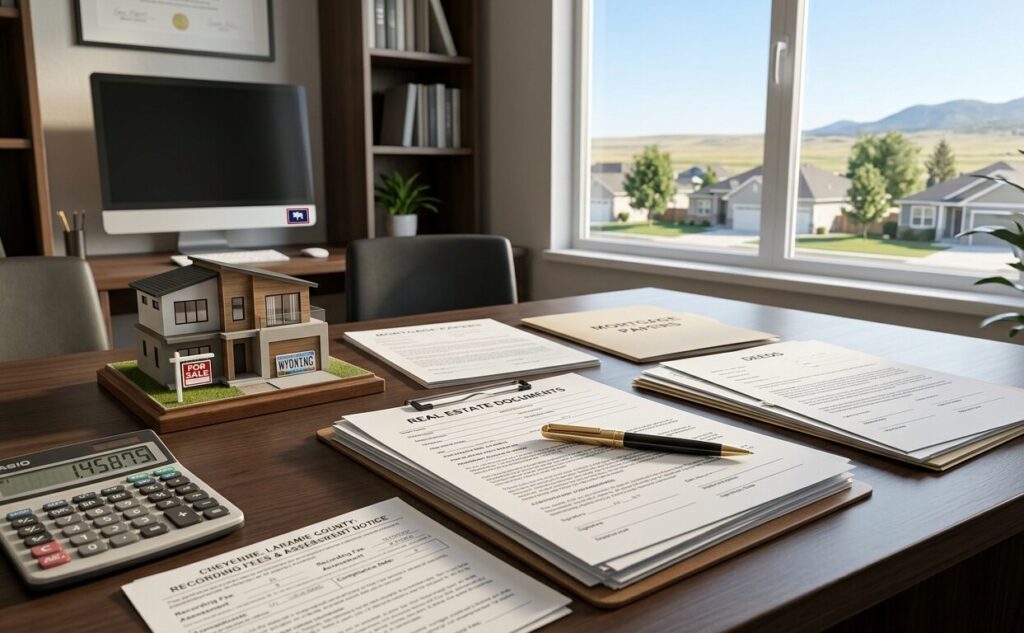
Wyoming does not have a state-level real estate transfer tax, which is a significant advantage compared to many other states. However, there are still county-level recording fees. These are the fees paid to the County Clerk to officially record the deed and any other necessary documents in the public record. While these fees are usually quite low, they are a mandatory part of the process to ensure the public is notified of the change in ownership.
You can verify the current Laramie County real estate recording fees to see the per-page costs and specific document requirements required by the County Clerk’s office for filing your warranty deed and mortgage satisfaction. The title company will also ensure that any outstanding utility bills are paid through the day of closing. This prevents a “hidden lien” from being placed on the property by a utility provider. As part of your closing costs for sellers in Wyoming, you might see a small holdback or a direct payment to the city for your final water and sewer bill.
The title company will also ensure that any outstanding utility bills are paid through the day of closing. This prevents a “hidden lien” from being placed on the property by a utility provider. As part of your closing costs for sellers in Wyoming, you might see a small holdback or a direct payment to the city for your final water and sewer bill. This ensures a clean break for the seller and a fresh start for the buyer.
Navigating the Final Settlement Statement
A few days before the official closing, you will receive a document called the Settlement Statement or the ALTA statement. This is a comprehensive ledger that lists every dollar coming in and every dollar going out. It is your responsibility to review this document carefully. Check that the sales price is correct, that the commissions match your listing agreement, and that your mortgage payoff is accurate.
Errors can happen, especially with prorated amounts or the spelling of names. If you see something that doesn’t look right, don’t hesitate to ask the title officer for a detailed explanation. Understanding your closing costs for sellers in Wyoming before you walk into the closing room ensures that there are no surprises when it comes time to sign the final documents. This review is the final gatekeeper of your equity.
Planning for Your Next Move
Once the house is sold and the funds have been disbursed, you can finally turn your attention to your next adventure. Many sellers choose to reinvest their proceeds into a new property, while others may be relocating out of state. If you are moving within the region and need help finding your next home, exploring houses for sale in Wyoming can give you an idea of how much purchasing power you will have based on your net proceeds.
Selling a home is a complex financial transaction, but it doesn’t have to be a stressful one. By understanding the various fees and requirements in Wyoming, you can navigate the market with confidence. From the initial preparation to the final signature at the title company, being an informed seller is the best way to protect your interests and ensure a successful sale.
Conclusion
The journey from listing to closing involves many moving parts, and the financial side is often the most critical. While the list of closing costs for sellers in Wyoming might seem long, most of these expenses are standard for the industry and designed to protect both the buyer and the seller. By working with a knowledgeable real estate professional and a reputable title company, you can ensure that every fee is accounted for and that your equity is handled with the utmost care. Wyoming remains a fantastic place to own and sell real estate, and with the right preparation, you can move forward knowing you’ve made the most of your home’s value.
Frequently Asked Questions
Who usually pays for title insurance in Wyoming?
In most Wyoming real estate transactions, the seller pays for the owner’s title insurance policy. This policy protects the buyer from any title defects that might have occurred during or before the seller’s ownership. The buyer typically pays for the lender’s title policy if they are getting a mortgage.
Are there transfer taxes in Wyoming?
No, Wyoming is one of the few states that does not charge a state-level real estate transfer tax. This makes the closing costs for sellers in Wyoming lower than in many other parts of the country. You will still be responsible for minor county recording fees.
How are property taxes handled at closing?
Property taxes are prorated at closing based on the number of days the seller owned the home during the current tax year. Since Wyoming taxes are paid in arrears, the seller provides a credit to the buyer for the portion of the year they occupied the property.
Can I negotiate who pays the closing costs?
Absolutely. While there are local traditions regarding who pays what, almost everything in a real estate contract is negotiable. A seller can agree to pay some of the buyer’s costs, or a buyer might agree to cover some of the seller’s traditional expenses to make their offer more competitive.
What is a seller concession?
A seller concession is when the seller agrees to use a portion of their proceeds to cover some of the buyer’s closing costs. This is often used to help buyers who are short on cash for their loan fees. It is deducted from the seller’s net proceeds at the end of the transaction.
Do I have to pay for the buyer’s home inspection?
No, the home inspection is typically an expense for the buyer. However, the seller may end up paying for repairs or providing a credit based on the results of that inspection. These repair credits would be included in the total closing costs for sellers in Wyoming.