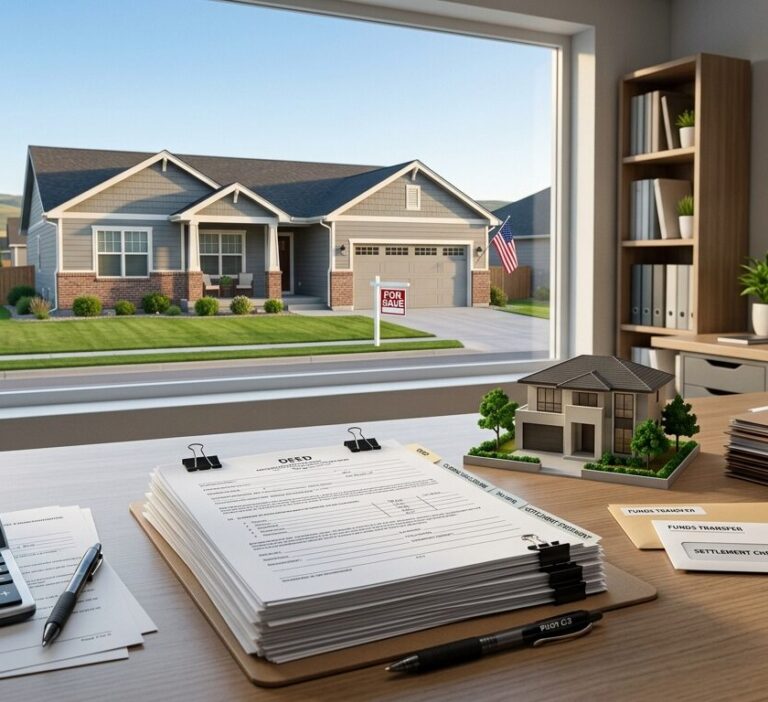
In the dynamic world of Cheyenne real estate, understanding the difference between listing prices and sale prices is crucial for making informed decisions.
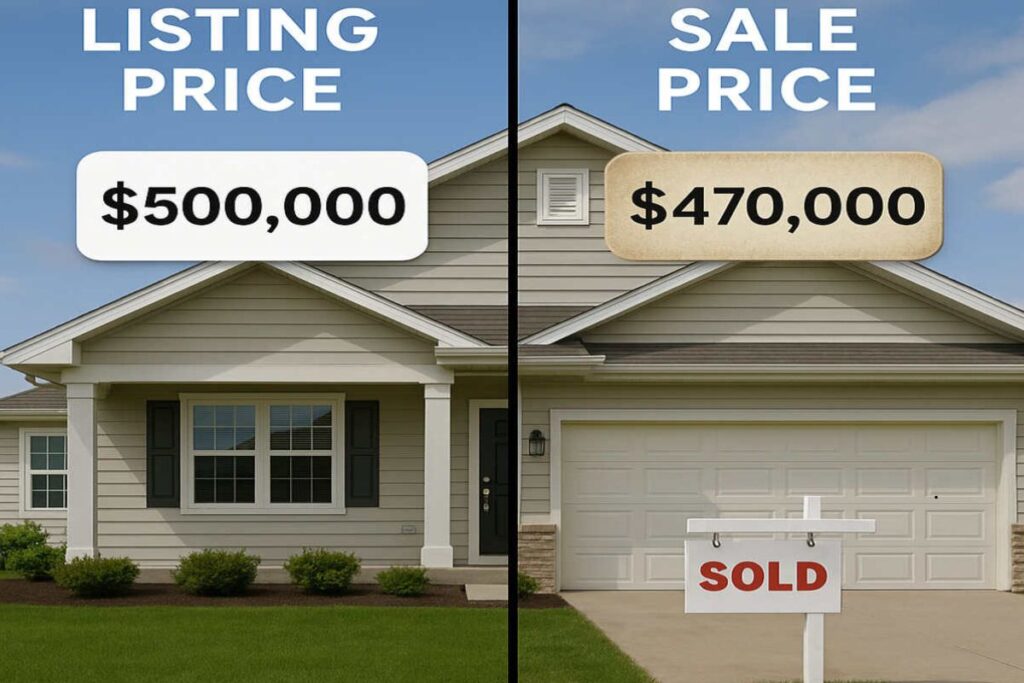
Listing prices represent what sellers hope to achieve when putting their homes on the market, while sale prices reflect the final negotiated amounts after buyer offers, inspections, and market realities come into play.
This gap matters deeply for buyers, who can leverage it to secure better deals, and for sellers, who risk prolonged market time or lost equity if priced too high.
As of September 2025, Cheyenne’s housing market remains competitive with tight inventory with only about 5.14 months of supply statewide—driving up listing prices but tempering actual sales. Median listings hover around $473,100, up modestly from last year, while sales lag at approximately $380,000, creating a noticeable spread.
This post dives into the data, uncovers drivers of the disparity, shares local examples, and offers actionable strategies to navigate Cheyenne’s 2025 market.
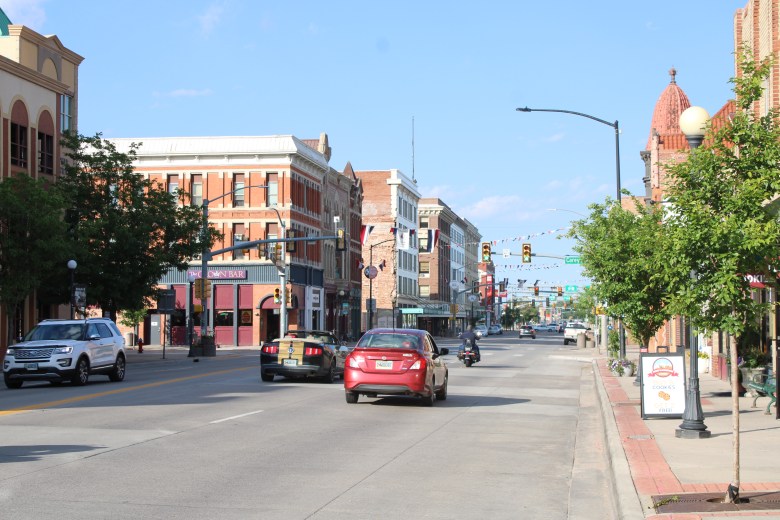
Cheyenne Market Snapshot 2025
Cheyenne’s real estate landscape in 2025 paints a picture of steady growth amid constraints. The median listing price reached $475,000 in May, marking a 9.2% year-over-year (YoY) increase, fueled by low supply and persistent demand from military families near F.E.
Warren AFB and remote workers drawn to Wyoming’s affordability. In contrast, the median sale price sits at around $380,000 as of July, up 1.9% YoY but still reflecting buyer caution in negotiations.
Earlier mid-year figures from ATTOM pegged sales closer to $361,651, with some monthly dips, while Redfin noted a 2.9% YoY rise to about $360,000, highlighting variability across data sources.
Recent trends show listings surging 9.2% YoY, outpacing sales growth and widening the gap. Inventory remains tight at 313 active listings citywide, with new additions up slightly but absorption rates indicating a seller’s edge in prime neighborhoods. The All-Transactions House Price Index for the Cheyenne MSA climbed from 376.9 in Q4 2024 to 388.7 in Q1 2025, signaling broader appreciation of about 3.2% quarterly, though this trails national averages. Overall, Cheyenne’s market is resilient but buyer-driven, with homes going pending in just 15-17 days—down from 19 last year.
What Drives the Gap? Why Listings Don’t Always Equal Sales
The chasm between listing and sale prices in Cheyenne isn’t random—it’s shaped by a mix of human decisions and economic forces. Overpricing tops the list: Sellers, optimistic about 2025’s 3-4% appreciation forecast, often set ambitious tasks, only to face reality when comparable sales (comps) reveal softer demand. In a market where 89% of buyers pay at or below list, aggressive pricing leads to concessions.
Buyer negotiations amplify this, especially post-inspection. Common issues like outdated HVAC systems or roof repairs in older Cheyenne homes trigger credits or price drops of 2-5%. Appraisals add another layer; if a home lists at $475,000 but appraises at $380,000, lenders cap financing, forcing renegotiations.
Market conditions exacerbate the divide: Low inventory (down 3.6% statewide) and the “lock-in” effect—homeowners with sub-4% mortgages reluctant to trade up—keep supply scarce, but high interest rates (hovering at 6.5-7%) cool buyer enthusiasm. Seasonal swings play in too; summer listings (post-Cheyenne Frontier Days) see quicker sales, while winter drags DOM, pressuring prices. Locally, neighborhood vibes matter—proximity to downtown boosts values, but flood-prone areas near Crow Creek invite discounts.
Case Studies / Local Examples in Cheyenne (2025)
Real-world stories from Cheyenne’s 2025 market illustrate the listing-sale dynamics vividly. Take Example A: A 3-bedroom ranch in South Cheyenne listed at $420,000 in June, banking on neighborhood comps. After two offers and an inspection revealing foundation cracks, it closed at $395,000—a 5.95% reduction. The buyer cited rising rates and repair costs exceeding $15,000 as key factors, common in areas with 8-10% YoY price dips.
Example B highlights persistence: A historic Victorian on Capitol Avenue debuted at $550,000 in April, drawing views but no bids due to overpricing against $315,000 comps. Two reductions—first to $520,000 after 30 days, then $495,000—followed, finally selling at $478,000 in August after 85 days on market. The seller absorbed staging costs and minor updates to close.
Neighborhood breakdowns reveal variance: Historic Cheyenne enjoys moderate 5.4% YoY growth, with sales at $315,000, appealing to buyers valuing charm over space. South Cheyenne, however, faces headwinds, with prices down 8-10% YoY amid higher inventory and economic shifts in Laramie County, leading to more concessions.
Listing vs Sales: Key Metrics to Track
To gauge Cheyenne’s market health, focus on these metrics for smarter decisions. The sale-to-list price ratio (SOLPR) averages 97.4% statewide in 2025, meaning homes sell for about 2.6% below ask—tight but negotiable in a balanced market. In competitive pockets like downtown, it hits 98-99%; elsewhere, 95% signals buyer leverage.
Days on Market (DOM) has shortened to 15-17 days citywide, down from 19 YoY, pressuring quick concessions for overpriced listings. Longer DOM (over 30 days) correlates with 3-5% reductions, as seen in 20% of listings requiring drops.
Price reductions occur in about 25% of Cheyenne listings, averaging one drop per adjusted property, often 4-6% off initial ask. By home type, single-family homes (80% of sales) hold 98% SOLPR with 16-day DOM; condos lag at 95% and 25 days, reflecting less demand for urban multis.
| Metric | Single-Family | Condos/Townhomes |
| SOLPR | 98% | 95% |
| Avg. DOM | 16 days | 25 days |
| % Requiring Reduction | 20% | 30% |
| Avg. Reduction | 4% | 6% |

2025 Market Trends Impacting the Spread
Several forces are widening Cheyenne’s listing-sale spread in 2025. Inventory constraints persist, with a statewide drop to 1,461 listings (down 3.6% YoY) and the lock-in effect sidelining sellers with low-rate mortgages. This scarcity boosts listings but empowers buyers to negotiate.
Rising construction costs up 5-7% due to supply chain snarls—deter new builds, keeping supply low and prices elevated, though sales trail as builders pass costs to buyers. Buyer competition is fierce: About 11% pay over list in Wyoming, driven by low inventory, per Cowboy State Daily, but most (89%) haggle down.
Macro factors loom large: Interest rates at 6.5% curb affordability, inflation erodes purchasing power, and net migration (up 1.2% in Laramie County) adds demand without matching supply, per FRED data. Forecasts predict 3-4% appreciation, tempered by potential rate cuts.
Tips to Price Smartly (For Sellers) / Evaluate Offers (For Buyers)
Sellers: Anchor pricing in recent comps—aim 1-2% below market to spark bids in Cheyenne’s quick-turn market. Use tools like Zillow or Redfin for hyperlocal data, and stage aggressively to minimize DOM. Mid-listing, adjust after 14-21 days if views drop; a 3-5% cut can reignite interest without signaling desperation.
Buyers: Spot negotiation room by comparing list to comps—if 5%+ above, lowball 3-7% with inspection contingencies. Factor in 11% over-ask risk in hot areas, but leverage appraisals for post-offer tweaks. Partner with a local agent versed in Cheyenne’s quirks, like historic district premiums, to decode offers and avoid overpaying.
What to Watch Going Forward
Looking ahead, Cheyenne’s 2025 forecasts eye 3-4% appreciation through year-end, with inventory potentially easing to 5-6 months if rates dip below 6%. Leading indicators include rising building permits (up 10% YoY) and new listings, signaling absorption shifts.
External wildcards: Fed rate changes could unlock inventory, while regional growth from F.E. Warren expansions boost demand. Monitor inflation and migration for price stability—positive inflows may narrow the spread.
Conclusion & Takeaways
Grasping listing vs. sale prices is key to thriving in Cheyenne’s 2025 real estate scene, where a 2-5% gap underscores the power of data-driven pricing and negotiation. Local conditions—like tight supply and neighborhood variances dictate outcomes, rewarding the prepared.
Ready to act? Request a free Comparative Market Analysis (CMA) from our team to value your home accurately. Browse active Cheyenne listings today or contact RE/MAX Capitol Properties at 307-635-0303 for personalized guidance on buying, selling, or investing in this vibrant market. Let’s turn market insights into your success story.