When you think of Cheyenne, Wyoming, images of wide-open skies, western charm, and historic landmarks quickly come to mind. But among its many attractions, the Cheyenne historic homes stand out as living testaments to the city’s rich past. These beautifully preserved houses tell the story of how Cheyenne evolved from a rough railroad town into a thriving capital city filled with character, culture, and architectural beauty.
From the grand Rainsford homes to the elegant residences in the downtown historic district, Cheyenne’s neighborhoods are a treasure trove for history lovers, architecture enthusiasts, and anyone curious about Wyoming’s early days. Whether you’re a local exploring your hometown or a newcomer discovering its roots, taking a walking tour of these homes is one of the best ways to experience the city’s legacy firsthand.
A Glimpse into Cheyenne’s Architectural History
Cheyenne was founded in 1867 during the expansion of the Union Pacific Railroad. What began as a rough frontier settlement quickly grew into a prosperous city, attracting settlers, entrepreneurs, and military officers. With wealth flowing in from cattle ranching, railroads, and trade, the city developed a taste for fine architecture.
Many of the Cheyenne historic homes date back to this prosperous period in the late 19th and early 20th centuries. They showcase a range of architectural styles, from Victorian and Queen Anne to Colonial Revival and Craftsman. These designs reflect the city’s blend of frontier spirit and refined taste, shaped by influences from the East Coast and Europe.
Cheyenne’s architectural diversity is especially evident in two key areas: the Rainsford Historic District and the Downtown Historic District, both of which preserve the city’s grandest and most picturesque homes.
The Rainsford Historic District: A Legacy of Design
The Rainsford Historic District is named after architect George D. Rainsford, a man who left an indelible mark on Cheyenne’s architectural landscape. Originally a horse breeder and rancher, Rainsford turned his attention to design and construction during the late 1800s, creating some of the city’s most distinctive residences.
His work is characterized by intricate woodwork, asymmetrical facades, steep gables, and ornate detailing, classic features of the Queen Anne and Victorian styles. Rainsford believed that homes should not only be functional but also reflect the individuality and success of their owners.
Walking through this district today feels like stepping into another era. The Cheyenne historic homes here are beautifully preserved, with restored porches, stained glass windows, and hand-carved accents that speak to the craftsmanship of the past.
Some notable examples include:
- The Nagle Warren Mansion – Built in 1888, this iconic residence is one of Rainsford’s most celebrated designs. It’s now a bed-and-breakfast, allowing visitors to experience 19th-century luxury up close.
- The Ferris Mansion – Another Rainsford masterpiece, known for its striking turrets, red sandstone detailing, and wraparound porch.
- The Whipple House – A charming blend of Victorian and Shingle styles, showcasing Rainsford’s versatility as a designer.
Each of these Cheyenne historic homes offers a glimpse into the elegance of a bygone era, when craftsmanship and creativity defined residential design.
Downtown Cheyenne: Where History Lives and Breathes
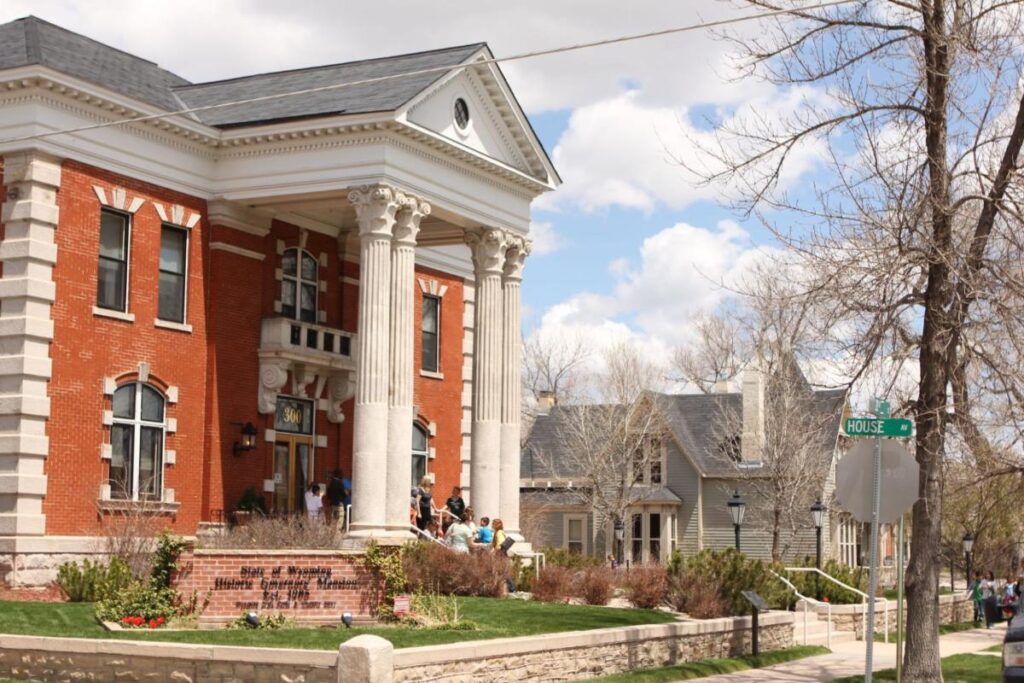
While Rainsford’s district highlights high-end residential architecture, Downtown Cheyenne offers a broader look at the city’s evolution. The Downtown Historic District includes both homes and commercial buildings, many of which date back to the late 1800s.
Here, old brick buildings line the streets, and restored homes sit alongside museums, shops, and offices. These structures capture the essence of the Old West while celebrating Cheyenne’s transition into a modern city.
Among the most notable Cheyenne historic homes downtown are those along Ferguson and Pioneer Avenues. You’ll find classic American Foursquare homes with symmetrical designs, Colonial Revival houses with grand columns, and smaller Craftsman bungalows that became popular in the early 20th century.
Many of these residences have been converted into offices or boutiques, but their original architectural features, wooden trim, bay windows, and ornate entryways—remain proudly intact.
The Rainsford Touch: What Makes His Designs Stand Out
Rainsford wasn’t just an architect; he was a visionary who believed that architecture should inspire emotion. He designed homes that were grand yet welcoming, blending intricate design with practical functionality.
One of the most remarkable aspects of his work is the variety within his designs. No two Cheyenne historic homes crafted by Rainsford are exactly alike. He tailored each project to its owner’s tastes and the property’s surroundings, making every home a unique piece of art.
Today, many of his designs are listed on the National Register of Historic Places, recognized for their cultural and architectural significance. Preservation groups and homeowners have worked tirelessly to maintain these treasures, ensuring they continue to tell Cheyenne’s story for generations to come.
Experiencing Cheyenne’s Historic Home Tours
The best way to appreciate Cheyenne’s architectural heritage is through one of the many guided or self-guided tours offered throughout the year.
1. Cheyenne Historic Homes Tour
This annual event allows visitors to step inside some of the city’s most iconic residences. Participants can explore the architecture, interior décor, and stories behind each property.
2. Downtown Walking Tour
Perfect for newcomers, this self-guided route highlights landmarks, museums, and Cheyenne historic homes in the downtown district. Maps are available at the Cheyenne Depot Museum and online through the city’s tourism website.
3. Trolley Tours
For a more relaxed experience, hop on a trolley and enjoy a narrated ride through Cheyenne’s most historic areas, including the Rainsford district and Capitol Avenue.
These tours not only showcase the city’s stunning architecture but also highlight the people who built, lived in, and preserved these remarkable structures.
Preservation and Modern Living
Preserving historic homes is a community effort in Cheyenne. Local organizations, including the Cheyenne Historic Preservation Board, work to maintain the integrity of these properties while allowing for modernization where appropriate.
Homeowners take pride in maintaining original features, like wood floors, fireplaces, and stained glass, while updating kitchens, bathrooms, and systems to suit modern living.
Living in one of these Cheyenne historic homes offers a special kind of satisfaction. It’s not just about owning a beautiful property; it’s about being part of the city’s living history.
As more people move to Cheyenne, there’s growing interest in restoring and repurposing old homes rather than replacing them. This approach helps preserve the city’s character while ensuring its continued growth.
Hidden Gems: Lesser-Known Historic Houses
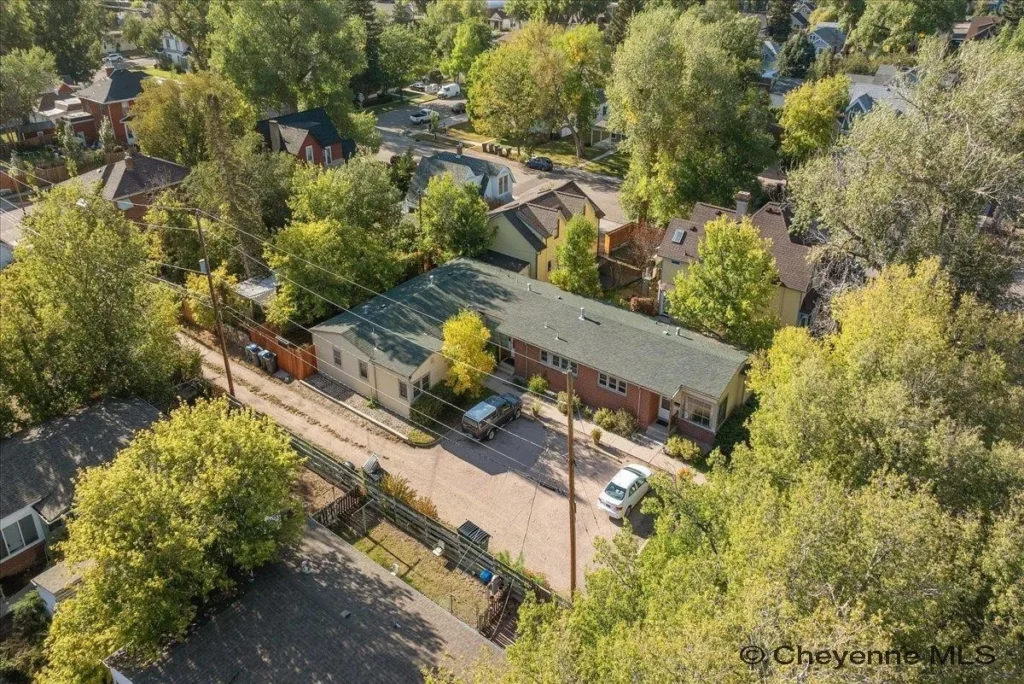
Beyond the well-documented mansions, Cheyenne is filled with smaller but equally charming historic homes that tell the story of everyday life during the city’s early years.
You’ll find modest Victorian cottages, classic Prairie-style homes, and turn-of-the-century duplexes tucked into quiet neighborhoods. These properties, while not as grand as the Rainsford mansions, offer insight into how Cheyenne’s working-class families lived and contributed to the city’s development.
Exploring these Cheyenne historic homes on foot is a rewarding experience—each one reveals unique details, from carved wood trim to vintage mail slots that have stood the test of time.
Why Cheyenne’s Historic Homes Matter
Cheyenne’s historic homes are more than just buildings; they are chapters in a story that continues to unfold. They remind residents and visitors alike of the city’s resilience, creativity, and pride.
Every preserved porch, polished brass doorknob, and carefully restored façade contributes to a collective sense of identity. These homes connect the present with the past, offering a tangible reminder of the craftsmanship and spirit that built Wyoming’s capital city.
As Cheyenne continues to grow, preserving these architectural treasures ensures that future generations can appreciate the beauty and history that define this community.

Conclusion
Exploring Cheyenne’s historic homes is like stepping back in time. From the ornate designs of Rainsford’s masterpieces to the timeless charm of downtown residences, each building tells a story of creativity, prosperity, and perseverance.
Whether you’re taking a guided tour or simply strolling through these neighborhoods, you’ll feel the city’s history come alive through its architecture. These homes are more than landmarks—they are living pieces of Cheyenne’s identity, cherished by residents and admired by visitors from around the world.
FAQs
1. What are the most famous Cheyenne historic homes?
The Nagle Warren Mansion, Ferris Mansion, and Whipple House are among the most famous examples of Cheyenne’s preserved historic residences.
2. Can you tour Cheyenne’s historic homes?
Yes. Guided tours, walking tours, and annual open-house events offer visitors the chance to explore these homes up close.
3. Who was George D. Rainsford?
Rainsford was a 19th-century architect whose distinctive designs helped shape Cheyenne’s historic residential architecture, especially in the Rainsford district.
4. Are Cheyenne’s historic homes still occupied?
Many are! Some serve as private residences, while others have been converted into bed-and-breakfasts, offices, or event spaces.
5. Why are Cheyenne’s historic homes important to preserve?
They represent the city’s cultural and architectural heritage, offering valuable insight into Wyoming’s past while adding charm and character to modern Cheyenne.