Navigating the rental landscape in Wyoming’s capital city requires a clear understanding of the current economic climate. Whether you are a professional relocating for a new position at F.E. Warren Air Force Base, a student attending Laramie County Community College, or a family seeking the wide-open spaces of the West, knowing the average rent in Cheyenne WY is the first step in your journey. As of early 2026, Cheyenne remains a pocket of relative affordability compared to the national average, yet it is not immune to the inflationary pressures and inventory constraints seen across the Mountain West.
Current data shows a market that is stabilizing after several years of rapid fluctuations. Renters today are finding a landscape where choice has returned, but pricing remains firm due to steady demand from a diverse workforce. While the cost of living here is often cited as a major draw, the specific monthly commitment for a roof over your head can vary significantly depending on the neighborhood and the type of property you choose.
Current Rental Prices by Bedroom Count
For most individuals and small households, the one-bedroom apartment serves as the primary benchmark for the local market. The average rent in Cheyenne WY for a one-bedroom unit currently hovers around $1,189 per month. These units are popular among young professionals and military personnel who prioritize proximity to downtown or major transit corridors. For those who can get by with less space, studio apartments offer a more budget-friendly entry point, often renting for approximately $858 per month.
Larger households typically look toward two- and three-bedroom options. A standard two-bedroom apartment in Cheyenne now averages about $1,438, while three-bedroom units have climbed to roughly $1,632. It is worth noting that while apartment complexes offer amenities like fitness centers and snow removal, many renters in this region prefer single-family homes. A three-bedroom house for rent will naturally command a higher premium, often exceeding $1,997 per month, reflecting the added value of a private yard and a garage, highly coveted features during Wyoming winters.
Trends Influencing the Cheyenne Market in 2026
One of the most significant trends we are observing this year is the modest but consistent growth in rental rates. In the past year, the average rent in Cheyenne WY has increased by approximately 2.2% to 3.4%, depending on the specific property sector. This is a far cry from the “rent-growth bonanza” of previous years, signaling a move toward a more balanced market. Landlords are becoming more selective, and in response, renters are demanding updated finishes and pet-friendly policies.
Another factor is the ongoing gap between the cost of renting and the cost of buying. With mortgage rates remaining elevated through the beginning of 2026, many would-be buyers are choosing to remain in the rental pool longer than originally planned. This sustained demand keeps vacancies low and supports the current pricing floors. For those who are weighing their options, understanding Cheyenne rentals vs buying can provide clarity on which path makes the most financial sense for your long-term goals.
Neighborhood Insights: Where You Get the Best Value
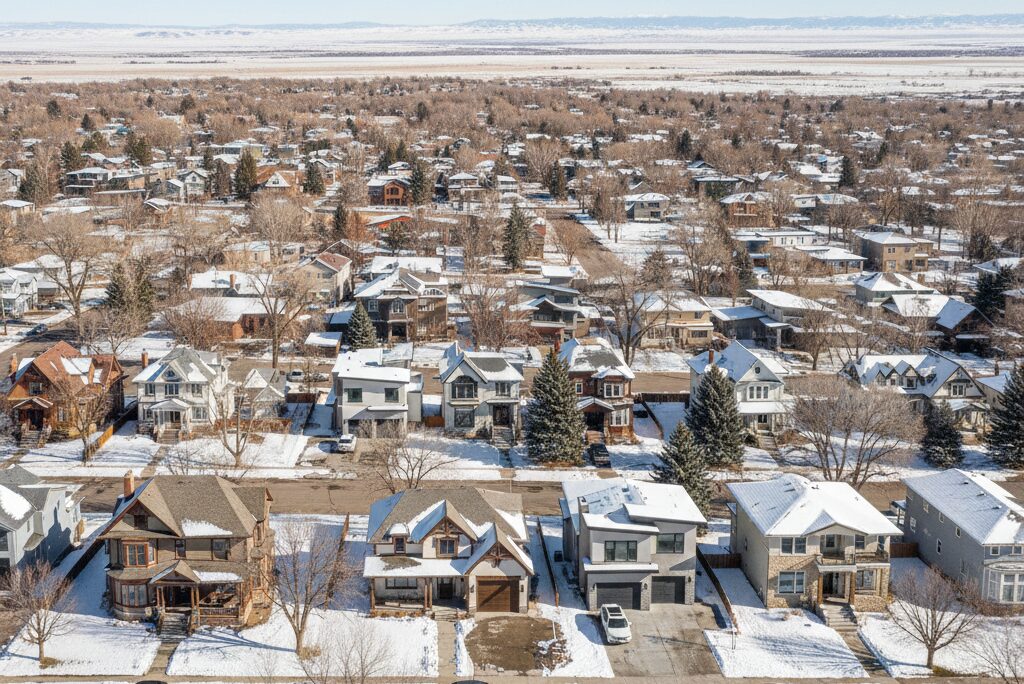
Where you choose to live in Cheyenne drastically impacts your monthly expenses. Neighborhoods like Greenmeadow Estates and Sun Valley often provide a balance of suburban quiet and accessibility, with rents staying near or slightly above the city median. Conversely, the Historic Cheyenne district offers a unique charm with older, renovated units that can vary wildly in price based on the level of modern upgrades present.
For those seeking a more high-end experience, the northern parts of the city near Western Hills and Diamond Ranch have seen a surge in new construction. These areas often feature luxury amenities and higher price points, with the average rent in Cheyenne WY in these pockets reflecting the premium for newer infrastructure. If you are new to the area, exploring the top Cheyenne neighborhoods can help you identify which community aligns with your lifestyle, whether you want to be near the historic heart of the city or in a more modern suburban setting.
The Impact of Supply and Demand
The law of supply and demand is the ultimate driver of the average rent in Cheyenne WY. While new apartment complexes have broken ground in recent months, the pace of construction has struggled to keep up with the influx of new residents. Cheyenne’s appeal to remote workers and those fleeing higher-cost coastal states has created a steady stream of newcomers. This “nomadic workforce” often arrives with higher remote-work salaries, which can exert upward pressure on local rents.
In 2026, the local housing landscape has reached a point of stabilization that significantly impacts the average rent in Cheyenne WY. This shift is driven by a consistent demand from a diverse workforce, ranging from aerospace professionals to remote tech employees seeking Wyoming’s tax advantages. This is reflected in the current market velocity; according to Federal Reserve Economic Data (FRED), the median days on market for Cheyenne housing sits at approximately 65 days as of early 2026. This steady pace suggests that while the rental market is robust, it is no longer the ‘overnight’ frenzy seen in previous years, giving tenants slightly more breathing room during their search. This “cooldown” in velocity is a positive signal for renters, as it often leads to a more predictable pricing environment where landlords are more open to standard lease terms rather than aggressive bidding wars.
However, the market is not entirely one-sided. The city has recognized the need for more diverse housing types, including accessory dwelling units (ADUs) and multi-family zoning changes. As more inventory slowly trickles into the market through 2026, renters may find more leverage in negotiations, particularly during the “low season” between October and March. Monitoring the Cheyenne property market updates is essential for anyone looking to time their move perfectly and secure a competitive rate.
Factors That Could Change Your Monthly Bill
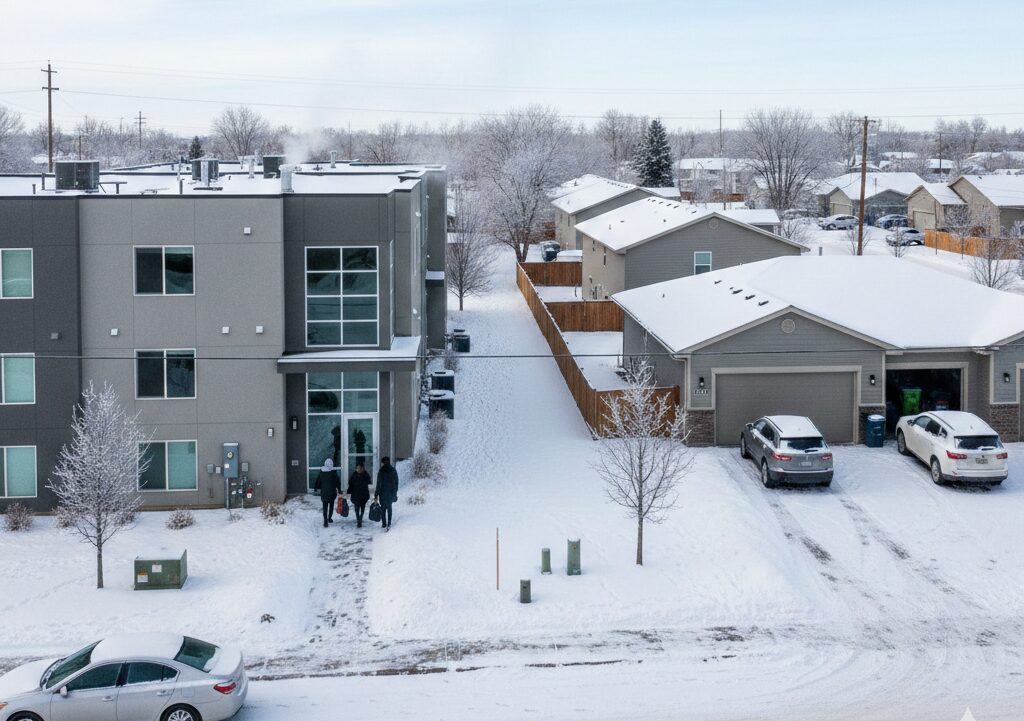
Beyond the base rent, several other costs contribute to the total average rent in Cheyenne WY. Utilities in Wyoming can be a significant factor, especially during the cold winter months when heating costs rise. Fortunately, Cheyenne’s utility rates are often lower than the national average, but it is a variable that every renter must budget for. Additionally, many newer developments now include “resident benefit packages” that cover things like air filter delivery and identity protection, which can add a small monthly fee to your lease.
Security deposits, pet fees, and parking costs are also standard additions. In a competitive market, having a clean rental history and a solid credit score can sometimes help you negotiate a lower deposit. It is also important to consider the property’s proximity to work; while a cheaper unit on the outskirts might seem like a deal, the added transportation costs and time spent commuting in snow can quickly negate those savings.
Comparing Cheyenne to the National Landscape
When you look at the average rent in Cheyenne WY alongside the national median of roughly $1,895, the value proposition of the High Plains becomes clear. Living here allows for a higher quality of life for many, as a smaller percentage of their monthly income is eaten up by housing costs. This affordability is a key reason why Cheyenne continues to attract retirees and young families alike.
While cities like Jackson or even nearby Fort Collins, Colorado, have seen rents skyrocket, Cheyenne has managed to maintain a level of stability. This makes it an attractive destination not just for renters, but for “accidental landlords” and individual investors who see the potential for steady, reliable rental income. The stability of the average rent in Cheyenne WY provides a sense of predictability that is often missing in more volatile metropolitan markets.
Tips for Finding the Right Rental
If you are searching for a place to live, start your search at least 30 to 45 days before your desired move-in date. The best-priced units often move quickly. Be prepared with your documentation, including proof of income and references. Since the average rent in Cheyenne WY is influenced by the military presence at the base, some landlords may offer military discounts or flexible lease terms for service members.
Don’t be afraid to look at different property types. Sometimes a duplex or a townhome can offer more space for the same price as a traditional apartment. Always visit the property in person if possible, or request a live video tour to check the condition of appliances and the general “feel” of the neighborhood. In 2026, technology has made the remote rental process much easier, but nothing beats a firsthand look at your potential new home.
The Future Outlook for 2026 and Beyond
Looking ahead, the average rent in Cheyenne WY is expected to follow a path of moderate growth. As long as the local economy remains healthy and the cost of buying a home stays relatively high, the rental market will remain robust. We may see more concessions from landlords in areas where new supply has recently concentrated, such as “one month free” or reduced security deposits to attract tenants quickly.
For renters, the focus will increasingly be on value and sustainability. Energy-efficient units that lower utility bills will be in high demand. For landlords, the key to success in 2026 will be proactive maintenance and responsive management. The market is evolving into one that rewards quality over quantity, and both parties stand to benefit from a more professionalized rental environment.
FAQs
What is the most affordable neighborhood in Cheyenne?
Based on recent data, neighborhoods like Greenmeadow Estates and parts of South Cheyenne tend to offer some of the most competitive rates. However, “affordability” can vary based on the age of the specific building and the utilities included.
Do I need a high salary to rent in Cheyenne?
The general rule is to spend no more than 30% of your gross income on housing. With the average rent in Cheyenne WY at about $1,189, an annual salary of approximately $48,000 is typically recommended to live comfortably without financial strain.
Are most rentals in Cheyenne pet-friendly?
Cheyenne is a very pet-friendly city. Many landlords allow cats and dogs, though you should expect to pay a one-time pet deposit or a small monthly “pet rent.” Always check the specific breed restrictions before signing a lease.
How do Wyoming winters affect rental costs?
While the rent itself stays stable, your utility bills for heating will increase in the winter. It is highly recommended to look for units with modern windows and good insulation to keep these costs manageable.
Is it easy to find short-term rentals in Cheyenne?
Short-term rentals can be harder to find and are usually more expensive. Most traditional landlords prefer a 12-month lease. However, some complexes near the base and downtown offer flexible terms for an additional monthly fee.
Conclusion
Understanding the average rent in Cheyenne WY is about more than just numbers; it is about finding a place where you can thrive. The market in 2026 offers a unique combination of Western charm and modern convenience at a price point that remains accessible for many. By staying informed about the latest trends, neighborhood shifts, and economic drivers, you can navigate the rental process with confidence. Cheyenne continues to prove itself as a resilient and welcoming community, offering a high quality of life for those who call it home. Whether you are staying for a year or a lifetime, the right rental is out there waiting for you in the “Magic City of the Plains.”