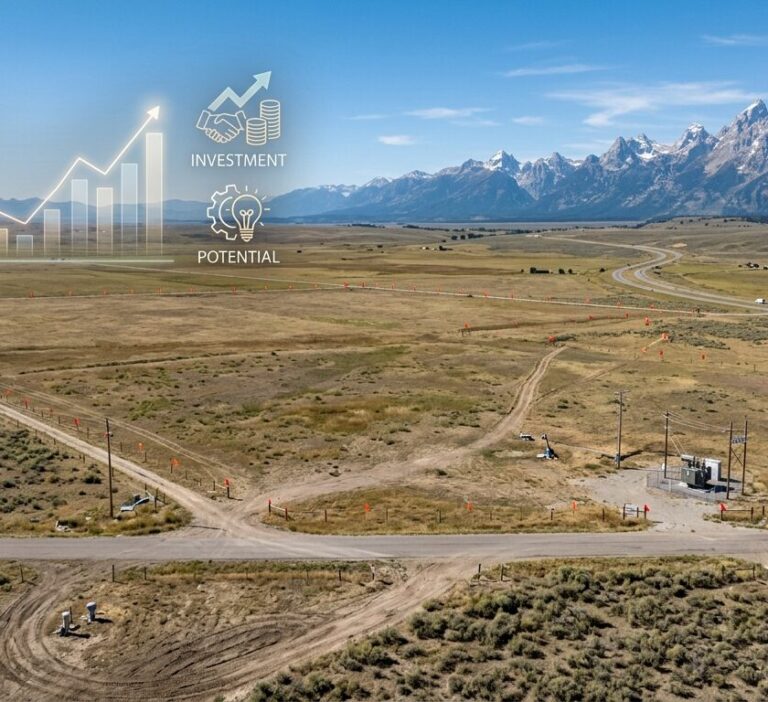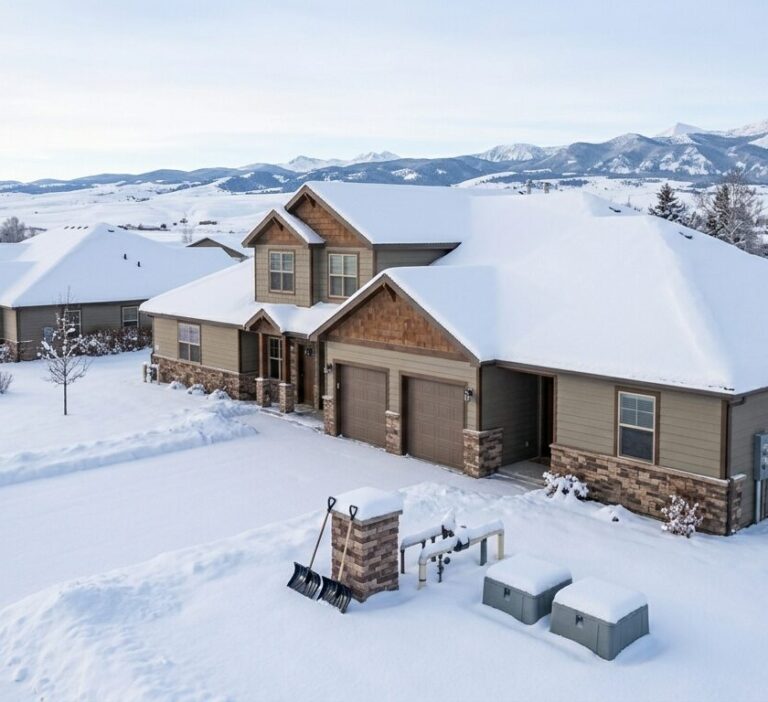
Wyoming has always been a land of opportunity, defined by its wide-open spaces and rugged independence. In recent years, the capital city has become a focal point for those looking to secure their own piece of the American West. Whether you are envisioning a custom-built home with sweeping prairie views or looking for a strategic commercial parcel to support the growing local economy, understanding the local market is the first step toward a successful acquisition. This comprehensive land in Cheyenne Wyoming guide is designed to help you navigate the complexities of purchasing raw acreage in a market that is evolving rapidly in 2026.
Cheyenne offers a unique blend of high-plains beauty and urban convenience. As the northern anchor of the Front Range urban corridor, it provides a stable environment for investment while maintaining the low-tax, high-freedom lifestyle that Wyoming is famous for. However, buying land is significantly different from buying a pre-existing home. It requires a deeper dive into zoning, utility access, and environmental factors. By following this roadmap, you can avoid common pitfalls and make an informed decision that aligns with your long-term goals.
The Current State of the Cheyenne Land Market
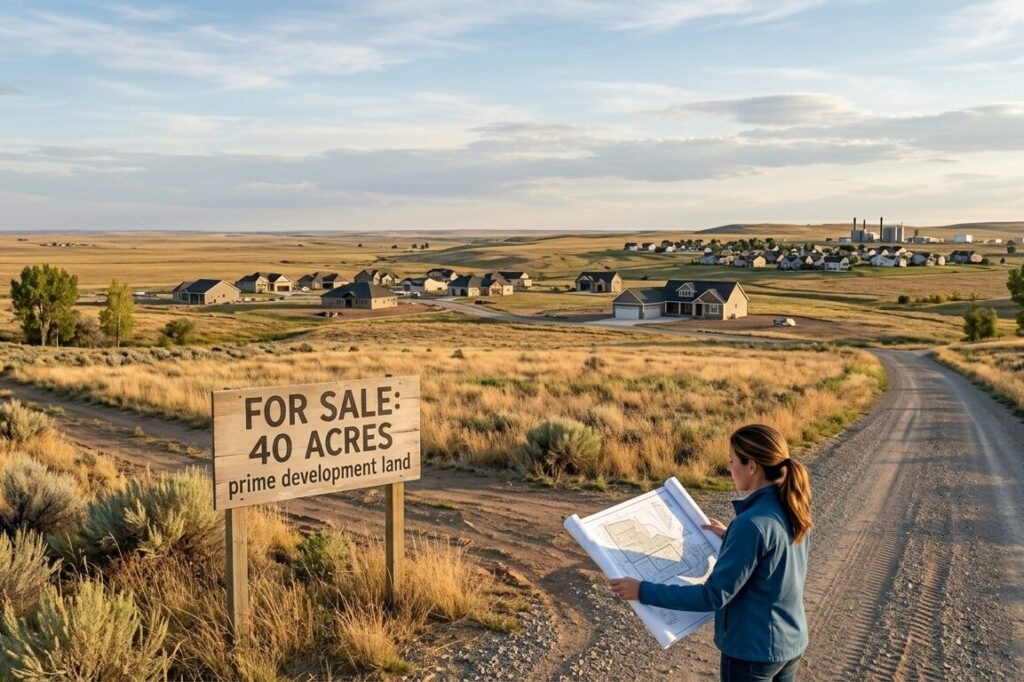
The demand for acreage in Laramie County has seen a steady incline as more people look to escape the congestion of larger metropolitan areas. In 2026, we are seeing a diverse group of buyers, ranging from remote workers looking for small hobby farms to large-scale developers planning the next residential subdivision. This increased interest has had a direct impact on pricing and availability. While Cheyenne remains more affordable than many of its neighbors to the south, the “secret” of Wyoming’s value is becoming well-known.
When you look through a land in Cheyenne Wyoming guide, you will notice that location is the primary driver of cost. Parcels located within the city limits or in popular outlying areas like Western Hills tend to command a premium due to their proximity to services. Conversely, heading further east or north can yield larger tracts of land at a lower cost per acre, though these often come with additional challenges regarding infrastructure. Understanding these geographic nuances is essential for any prospective buyer trying to balance their budget with their lifestyle needs.
Determining the Purpose of Your Purchase
Before you start touring properties, it is vital to define exactly what you intend to do with the land. Are you planning to build immediately, or is this a long-term hold for your investment portfolio? The requirements for a residential homesite are vastly different from those of an industrial lot. For instance, residential land needs to be evaluated for school district boundaries and neighborhood covenants, while commercial land must be assessed for traffic counts and logistics access.
Investors often look for “path of progress” properties. These are parcels located just outside current development zones that are likely to be absorbed as the city expands. If you are interested in the broader economic potential of the area, exploring Cheyenne wy land development opportunities can provide valuable context on where the city’s infrastructure is heading. This strategic approach is a key part of any land in Cheyenne Wyoming guide, as it helps you identify value before it becomes obvious to the general market.
Zoning and Land Use Regulations
In Wyoming, land use is governed by a mix of city and county regulations. Zoning determines what you can build, how high it can be, and how far back from the property line it must sit. It also dictates whether you can keep livestock, run a home-based business, or subdivide the parcel in the future. Ignoring zoning is one of the most expensive mistakes a buyer can make.
You should always verify the current zoning status of a property with the Laramie County Planning Department. Even if a neighboring lot has a specific type of building, it doesn’t guarantee yours will be allowed the same. A professional land in Cheyenne Wyoming guide will always recommend a “feasibility study” during your due diligence period. This process involves checking the Cheyenne wy zoning laws and regulations to ensure your dream project is actually legal on the specific dirt you are buying.
The Challenge of Utilities and Infrastructure
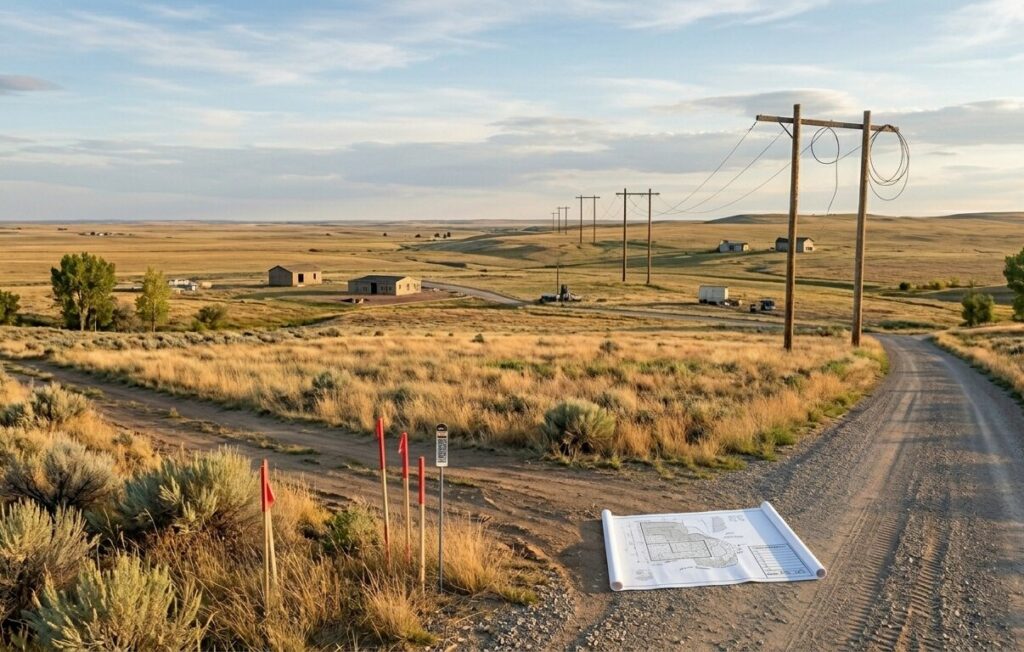
In the world of real estate, “raw land” often means exactly that: no water, no sewer, and no electricity. Bringing these services to a remote lot can sometimes cost as much as the land itself. In Cheyenne, many rural lots rely on private wells and septic systems. Before purchasing, you must investigate the depth of the water table and the “perc” rate of the soil to ensure a septic system can be installed.
If the land is within city reaches, you may have access to municipal water and sewer, but you will likely face tap-fees and connection costs. Electricity and natural gas lines are also major considerations. If the nearest power pole is a half-mile away, the utility company will charge a significant fee to run lines to your build site. Any comprehensive land in Cheyenne Wyoming guide emphasizes that the “sticker price” of the land is only the beginning of your financial layout.
Environmental Factors and Topography
Wyoming’s landscape is beautiful but can be challenging. When evaluating a parcel, look at the topography. Is the land flat, or does it have significant slopes that will require expensive grading and retaining walls? You also need to consider drainage. You don’t want to find out during the spring melt that your chosen build site is in a natural drainage path.
Wind is another factor to consider in Cheyenne. Designing your future home or facility to account for the prevailing winds can save you a fortune in energy costs and maintenance over time. According to the Wyoming DEQ 2025 State of the Environment report, the state continues to prioritize rigorous land reclamation and water management standards, which are essential benchmarks for any buyer assessing the long-term viability of a rural or semi-rural parcel. A good land in Cheyenne Wyoming guide suggests visiting the property at different times of the day and in different weather conditions. This allows you to see how the sun hits the land and how the wind behaves, which is crucial information for site planning.
Access and Easements: Who Can Cross Your Land?
Just because a property has a road running to it doesn’t mean you have legal access to it. You must ensure that the property has “deeded access” to a public right-of-way. In rural Wyoming, it is common for properties to be accessed via private roads that cross neighboring land. In these cases, you need a recorded easement that grants you the legal right to use that road.
Similarly, you should check for utility easements that might run across your property. These easements give utility companies the right to access buried lines or overhead wires, and they often prevent you from building permanent structures in those areas. A thorough title search, which is a standard part of any land in Cheyenne Wyoming guide, will reveal these encumbrances so you aren’t surprised after the closing.
Financing Your Land Purchase
Financing raw land is different from a traditional home mortgage. Because land is considered a higher risk for lenders, they typically require a larger down payment, often ranging from 20% to 50%. Interest rates for land loans also tend to be slightly higher than those for residential homes.
Some buyers choose “owner financing,” where the seller acts as the bank. This can be a great option if you have a solid relationship with the seller, but it requires a very clear legal contract to protect both parties. If your goal is to build immediately, you might look into a “construction-to-permanent” loan, which covers the land purchase and the build in one single closing. Discussing these options is an essential step in your land in Cheyenne Wyoming guide journey.
The Building Process and Associated Costs
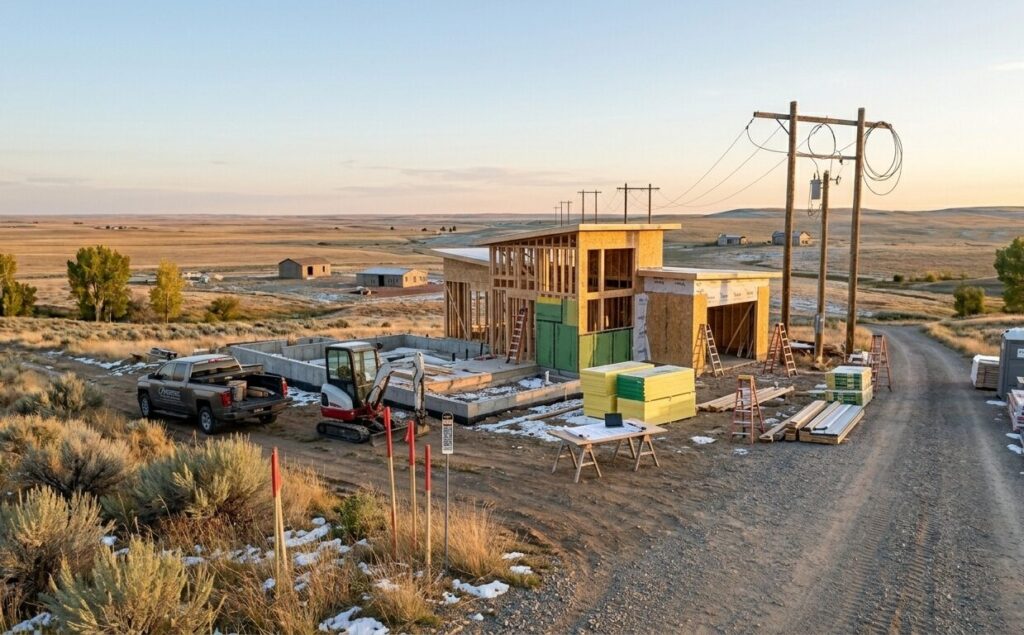
Once you own the land, the real work begins. Building in Wyoming requires accounting for the local climate. This means deeper footings to get below the frost line and high-efficiency insulation to handle the winter cold. You will also need to navigate the permitting process, which includes building inspections and environmental clearances.
For those looking to build a custom home, it is helpful to look at the cost of building a house in Cheyenne wy guide to get a realistic idea of current price-per-square-foot trends. Labor and material costs have fluctuated in recent years, so having a buffer in your budget is always a smart move. A professional land in Cheyenne Wyoming guide reminds you that patience is a virtue when dealing with construction timelines in a growing market.
Investment Insights: Holding Land for the Future
If you aren’t planning to build, land can be a powerful hedge against inflation. Land is a finite resource; they aren’t making any more of it. As Cheyenne grows, well-located parcels will naturally appreciate in value. However, land is an “illiquid” asset, meaning it can take time to sell when you are ready to exit your position.
When holding land as an investment, you still have carrying costs. These include property taxes and potentially liability insurance. In Wyoming, property taxes are relatively low, but they are still an annual expense you must account for. A strategic land in Cheyenne Wyoming guide will suggest looking at the long-term growth plans of the city to ensure your parcel is in a high-growth corridor.
Navigating the Closing Process
The closing process for land involves several key steps. First is the title search, which ensures the seller has the legal right to sell and that there are no hidden liens or judgments against the property. Next is the survey. You should never buy land without a modern survey that clearly marks the boundaries and any easements.
In Wyoming, we are a “non-disclosure” state, which means the sales price of the property is not public record. This provides a level of privacy for both buyers and sellers. However, you will still work with a title company to handle the escrow and the transfer of the deed. Following a land in Cheyenne Wyoming guide ensures that you have all your paperwork in order for a smooth and stress-free closing day.
The Importance of Local Expertise
While the internet provides a wealth of information, there is no substitute for local knowledge. A real estate professional who specializes in Wyoming land will know about things that aren’t in the listing description, such as local water rights, soil conditions, and upcoming infrastructure projects. They can help you negotiate from a position of strength and ensure that your interests are protected throughout the transaction.
Buying land is a significant commitment, and having a partner who understands the nuances of the Laramie County market is invaluable. Whether you are looking for a small lot or a massive ranch, a land in Cheyenne Wyoming guide is only as good as the person helping you implement it. Take the time to find a representative who listens to your goals and has the experience to help you achieve them.
Future Outlook for Cheyenne Land
As we look toward the future of Cheyenne, the outlook for land owners is positive. The city’s strategic location, combined with Wyoming’s business-friendly environment, continues to attract new industries and residents. This sustained growth suggests that land will remain a sought-after asset for years to come.
Whether you are building a legacy home for your family or a commercial facility to grow your business, the land you buy today is the foundation of your future success. By staying informed and doing your homework, you can navigate the market with confidence. This land in Cheyenne Wyoming guide has provided the framework; now it is up to you to take the next step and find the perfect piece of Wyoming to call your own.
Frequently Asked Questions
What is the average price of an acre of land in Cheyenne?
Prices vary significantly based on proximity to the city and access to utilities. Small residential lots within city reaches can be quite expensive on a per-acre basis, while larger tracts of dry-land ranch acreage further from town are much more affordable. Currently, you can find a wide range of prices depending on the specific features of the parcel.
Are there water rights included with land in Wyoming?
In Wyoming, water is owned by the state. While land often comes with the right to drill a domestic well, “water rights” for irrigation or commercial use are separate and must be verified during the due diligence process. Never assume that owning the land gives you unlimited access to the water beneath it.
Can I live in an RV on my land while I build?
This depends entirely on the zoning and neighborhood covenants. Some areas allow temporary RV living with a valid building permit, while others strictly prohibit it. A professional land in Cheyenne Wyoming guide will always advise checking local ordinances before you plan on living in a mobile unit.
How do property taxes work for vacant land?
Vacant land is typically taxed at a lower rate than improved property. However, the value is still assessed periodically by the county. In Wyoming, you may also qualify for “agricultural status” if the land is used for grazing or farming, which can significantly reduce your tax burden.
Do I need a lawyer to buy land in Wyoming?
While not legally required, many buyers choose to have an attorney review the purchase contract and title commitment, especially for complex commercial deals or large ranch acquisitions. Most standard residential land transactions are handled by real estate professionals and title companies.
Conclusion
Securing property in the West is a rewarding endeavor that offers a sense of permanence and pride. By using this land in Cheyenne Wyoming guide, you have equipped yourself with the knowledge to handle the unique challenges of the local market. From understanding the complexities of zoning to navigating the financial requirements of a land loan, you are now prepared to move forward with your investment. Cheyenne is a city on the rise, and there has never been a better time to claim your piece of the Wyoming frontier. Plan carefully, vet your property thoroughly, and enjoy the process of building your future on the high plains.