Owning investment property in the Cowboy State offers a unique blend of financial opportunity and distinct logistical challenges. Wyoming has long been a favorite for real estate investors due to its business-friendly tax climate, lack of state income tax, and the steady growth of hubs like Cheyenne, Casper, and Laramie. However, turning a house or a commercial building into a successful rental venture requires more than just signing a lease. Navigating the world of property management in Wyoming involves understanding local laws, preparing for rugged environmental factors, and building strong relationships with a tenant base that values independence and reliability.
Whether you are a local landlord with a single unit or an out-of-state investor looking to tap into the Western market, having a clear strategy is essential. Managing a property effectively means protecting your physical asset while ensuring a high quality of life for your residents. This guide will walk you through the essential components of overseeing real estate in the high plains, from legal compliance to the logistical hurdles of a Wyoming winter.
Understanding the Wyoming Rental Landscape
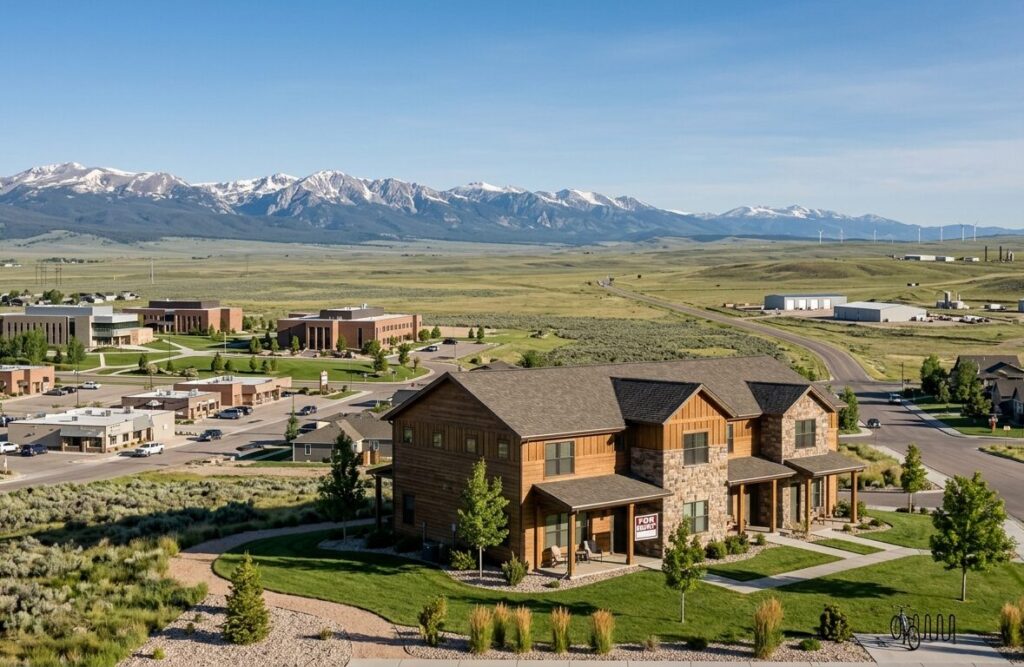
The first step in mastering property management in Wyoming is recognizing the diversity of the market. While the state is known for its wide-open spaces, the rental demand is heavily concentrated in urban centers and near major employers. For instance, the energy sector in certain northern counties or the university life in Laramie creates very different tenant profiles. An investor must tailor their management style to the specific needs of these demographics.
Success in this region depends on staying ahead of market trends. As more people seek out the “wide-open” lifestyle, demand for high-quality rental housing has remained consistent. Understanding the local economic drivers helps you set competitive rates and choose the right upgrades for your property. It is also a great time to explore why Cheyenne’s real estate appeals to investors in 2025 because the regional stability often balances out more volatile coastal markets.
Legal Foundations and Landlord-Tenant Rights
Wyoming is generally considered a landlord-friendly state, but that does not mean you can ignore the fine print of the law. The legal framework for property management in Wyoming is built on the Residential Rental Property Act. You can access the official Wyoming Real Estate Commission governing statutes to stay updated on the 2026 licensing requirements and the ethical standards required for managing residential and commercial assets in the state.This act outlines the basic duties of a landlord, such as maintaining a habitable environment and following specific procedures for security deposits. One of the biggest advantages for owners in this state is the relatively straightforward process for addressing lease violations compared to states with more restrictive regulations.
However, being legally compliant is about more than just knowing how to handle a dispute. It starts with an iron-clad lease agreement. Your lease should clearly define who is responsible for utility payments, lawn care, and snow removal. Because Wyoming values private property rights, the courts generally uphold the terms of a written lease, making it your most important tool for risk management.
The Importance of Rigorous Tenant Screening
The key to a peaceful life as a landlord is finding the right tenant from the start. Effective property management in Wyoming relies heavily on a thorough screening process. This should include credit checks, criminal background searches, and most importantly, previous landlord references. In a state where community reputation matters, speaking with a prior manager can give you more insight than a computer-generated score ever will.
Consistency is vital here. You must apply the same screening criteria to every applicant to avoid any unintentional fair housing violations. A good tenant in Wyoming is someone who respects the property and understands the self-reliance required to live in the region. Taking the time to find a resident who fits the culture of your neighborhood will save you thousands of dollars in turnover costs and potential repairs down the road.
Managing Maintenance in a High-Plains Climate
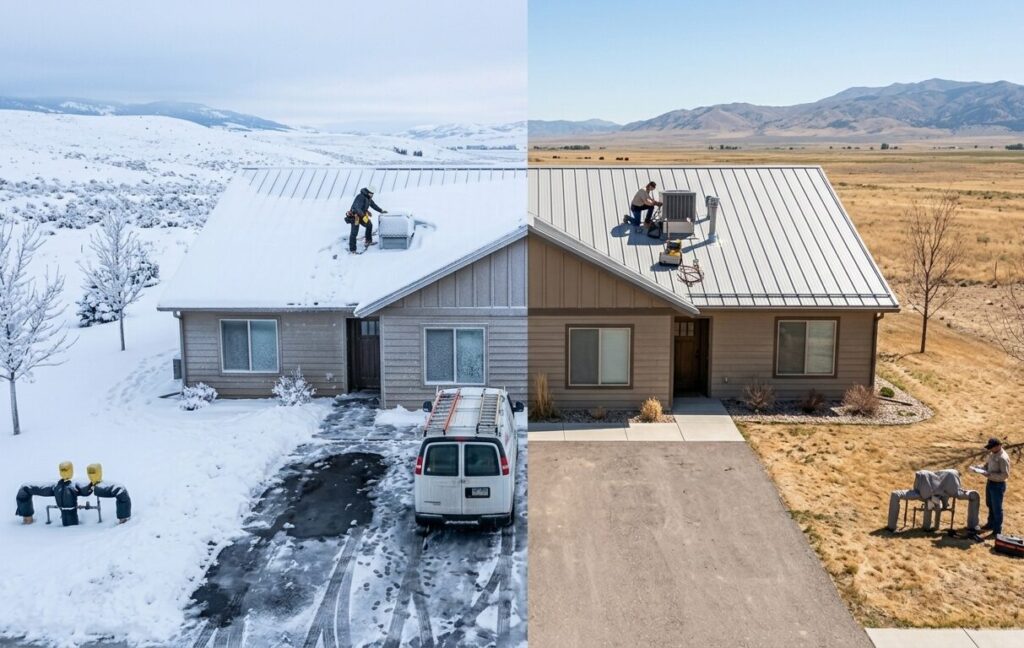
Maintenance is where many landlords struggle, particularly those new to the region. The environmental conditions play a massive role in property management in Wyoming. Between the intense summer sun and the sub-zero winter temperatures, your property’s exterior takes a beating. Preventive maintenance is not just a suggestion here; it is a survival tactic for your investment.
Before the first freeze, you must ensure that irrigation systems are winterized, furnaces are serviced, and roofs are inspected for any vulnerabilities. A burst pipe in a Cheyenne rental in January is an expensive disaster that can often be prevented with a small service call in October. Building a network of reliable local contractors who can respond quickly to emergencies is a hallmark of a professional approach to management. If you are looking to expand your portfolio, checking out Cheyenne rentals vs buying can help you determine which types of units offer the best maintenance-to-income ratio.
Financial Management and ROI Optimization
To treat your property like a business, you must track every penny. Professional property management in Wyoming requires meticulous record-keeping for both tax purposes and for evaluating the health of your investment. This includes tracking rental income, maintenance expenses, insurance premiums, and property taxes. Wyoming’s lack of a state income tax is a huge benefit for your bottom line, but you still need to maximize your deductions on your federal return.
If you are looking to increase your return on investment, consider the value of small, strategic upgrades. Modernizing a kitchen or improving the curb appeal can allow for higher rents and attract more stable tenants. This financial clarity allows you to make decisions based on data rather than emotion. Many owners find that Cheyenne-wy property investment tips provide the necessary framework for scaling their holdings while keeping overhead low.
Marketing Your Property to the Right Audience
In the digital age, your “curb appeal” begins online. Most renters start their search on major listing sites or local marketplaces. To stand out, you need professional-grade photography that highlights the best features of your home. When describing the property, focus on features that appeal to the Wyoming lifestyle, such as a large garage for outdoor gear or a fenced yard for pets.
Highlighting the proximity to local landmarks or major employers can also drive more interest. Effective property management in Wyoming involves understanding what the local workforce is looking for. If your property is near a hospital or a major industrial site, mention the short commute. Clear, honest communication in your listings reduces the number of unqualified leads and ensures that the people who schedule tours are truly interested in the space.
Handling Rent Collection and Delinquencies
Consistent cash flow is the lifeblood of your investment. Modern property management in Wyoming has moved toward online payment portals, which are convenient for both parties. These systems allow for automatic payments and provide a clear digital paper trail. Encouraging your tenants to use these tools reduces the risk of payment delays and makes your monthly accounting much simpler.
However, even with the best screening, life happens. If a tenant falls behind, it is important to act quickly and professionally. Following the grace periods and late fee structures outlined in your lease is essential for maintaining the business relationship. Being firm but fair often yields better results than being overly aggressive or, conversely, letting months of rent slide without a formal conversation.
Seasonal Responsibilities: The Winter Factor
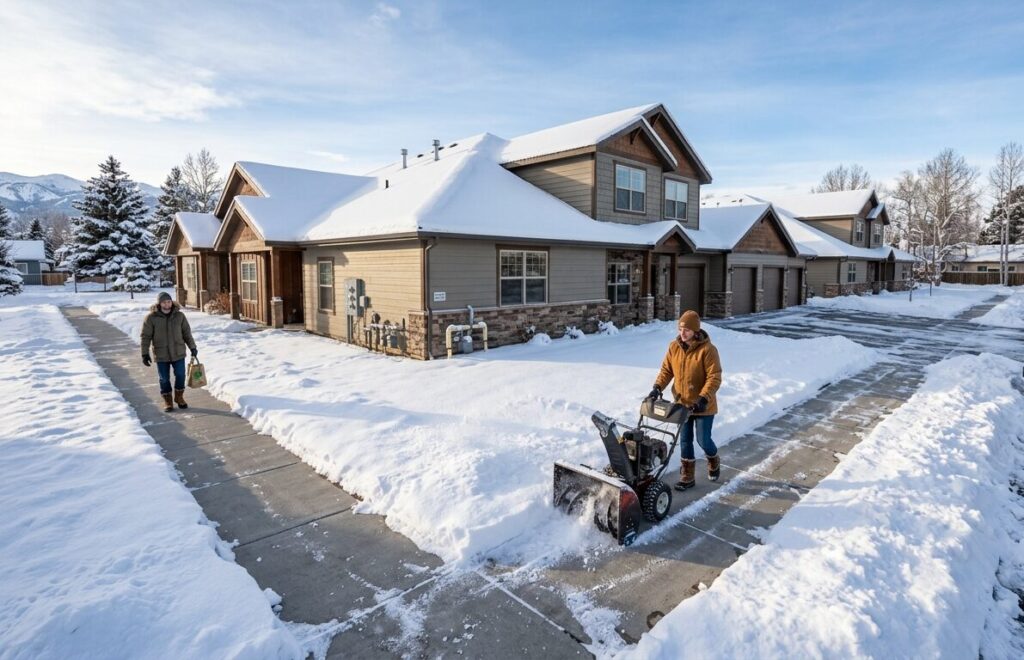
Winter in Wyoming is a category of its own. Unlike management in more temperate climates, property management in Wyoming requires a proactive snow removal plan. If you own a multi-family unit, you are generally responsible for keeping common walkways and parking lots clear. For single-family homes, the lease should explicitly state whether the landlord or the tenant is responsible for shoveling the sidewalk.
Beyond snow, you must educate your tenants on “winterizing” their daily habits. This includes keeping the heat at a minimum level even when they are away and knowing where the main water shut-off is located. These small educational steps can prevent the massive insurance claims that often occur during the state’s legendary cold snaps.
The Role of Professional Management Companies
Many owners eventually reach a point where they no longer want to handle the 2:00 AM phone calls about a broken water heater. Transitioning to professional property management in Wyoming can be a smart move for those who want a truly passive income stream. A local management company handles the marketing, screening, maintenance coordination, and legal compliance in exchange for a percentage of the monthly rent.
While this fee reduces your monthly take-home pay, it often pays for itself through shorter vacancy periods and lower maintenance costs due to the manager’s bulk-hiring power with contractors. If you are currently feeling overwhelmed by the daily tasks, it might be time to look for a specialist who understands the local nuances of the Cheyenne market to take the weight off your shoulders.
Navigating HOA and Local Regulations
Many newer subdivisions in Wyoming’s growing cities are governed by Homeowners Associations (HOAs). These organizations have specific rules regarding everything from paint colors to where a tenant can park their trailer or RV. As the owner, you are responsible for ensuring your tenants follow these rules. If a tenant receives a fine, it is usually assessed to you, the property owner.
Integrating the HOA’s covenants and restrictions into your lease agreement is a vital step. This allows you to pass any fines on to the tenant if they are the cause of the violation. Staying in good standing with the HOA not only protects your investment but also ensures that the neighborhood maintains the quality that attracted you to the property in the first place.
Security Deposits and the Move-Out Process
The end of a lease is often where the most conflict occurs between landlords and tenants. Wyoming law is clear about security deposits: you must return the deposit or an itemized list of deductions within a specific timeframe after the tenant vacates. To avoid disputes, conduct a thorough move-in inspection with photos and have the tenant sign off on the condition of the home before they move a single box.
When a tenant moves out, perform the same inspection. Normal wear and tear, such as slight carpet matting or minor wall scuffs, cannot be deducted from the deposit. However, damage like broken windows or excessive filth is fair game. Clear communication and documented evidence are the best defenses against small claims court summons and are standard practice in professional property management in Wyoming.
Scaling Your Wyoming Portfolio
Once you have mastered the management of one property, you may find that you have the drive to expand your real estate holdings. Scaling your portfolio requires even more organization. You might move from a spreadsheet to dedicated property management software and start looking into different types of residential or commercial units. Wyoming’s market is ripe for those who are willing to put in the work to manage their assets professionally.
Scaling also means staying informed about broader market shifts. Whether it is a change in the energy market or a shift in remote work trends, these factors will influence which neighborhoods become the next popular rental zones. By treating your property management in Wyoming as a professional endeavor rather than a hobby, you set yourself up for long-term financial freedom.
Conclusion
Property management in Wyoming is a rewarding challenge that requires a unique set of skills. It is about balancing the rugged reality of the environment with the professional standards of modern real estate. By prioritizing legal compliance, rigorous tenant screening, and proactive maintenance, you can protect your investment and build a reputation as a reliable landlord. The Cowboy State offers a stable and profitable environment for those who are willing to respect the land and the people who call it home. With the right approach, your Wyoming real estate can provide steady returns for years to come.
Frequently Asked Questions
Do I need a license for property management in Wyoming?
In Wyoming, if you are managing property for someone else and receiving compensation, you generally need a real estate broker’s license. However, if you are managing your own properties, no license is required. It is always wise to check with the state real estate commission for the most current regulations.
What are the rules for entering a tenant’s home in Wyoming?
While Wyoming law does not specify a mandatory notice period like 24 hours in all cases, it is standard practice and highly recommended to provide at least one day’s notice before entering for non-emergencies. The lease should clearly outline the terms of entry to respect the tenant’s privacy and maintain a good relationship.
How much can I charge for a security deposit?
Wyoming does not have a state-mandated cap on security deposits. However, charging more than one to two months’ rent may make your property less competitive in the local market. The key is to stay consistent with local standards to attract the best possible tenants.
Who is responsible for snow removal in Wyoming?
Responsibility for snow removal is usually determined by the lease agreement. In multi-family units, the landlord typically handles common areas. In single-family homes, it is common for the tenant to be responsible, but this must be clearly stated in writing to avoid confusion during a blizzard.
Is Wyoming a rent-controlled state?
No, Wyoming does not have rent control laws. Landlords are free to set rent at market rates and increase rent at the end of a lease term, provided they give proper notice as outlined in the lease agreement. This flexibility is part of why investors appreciate the Wyoming market.