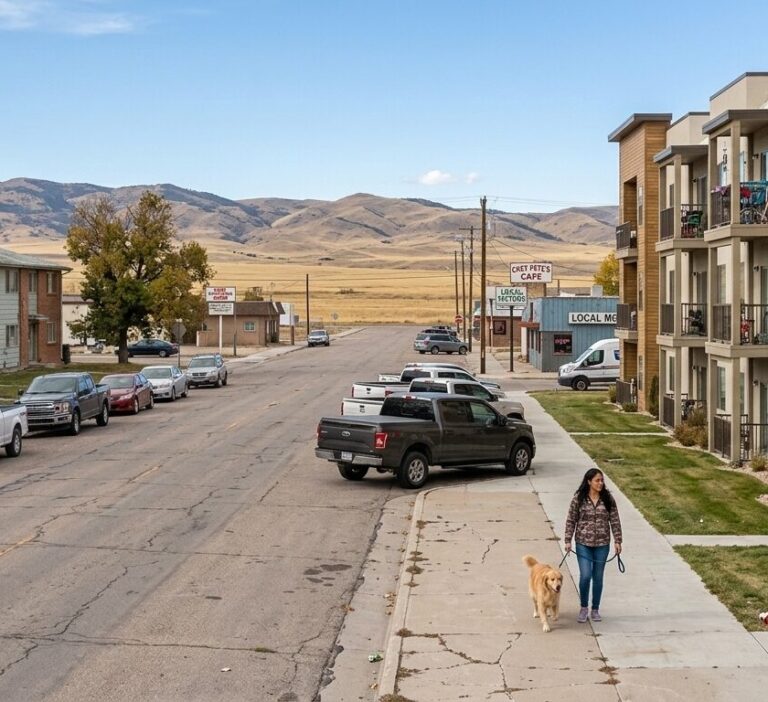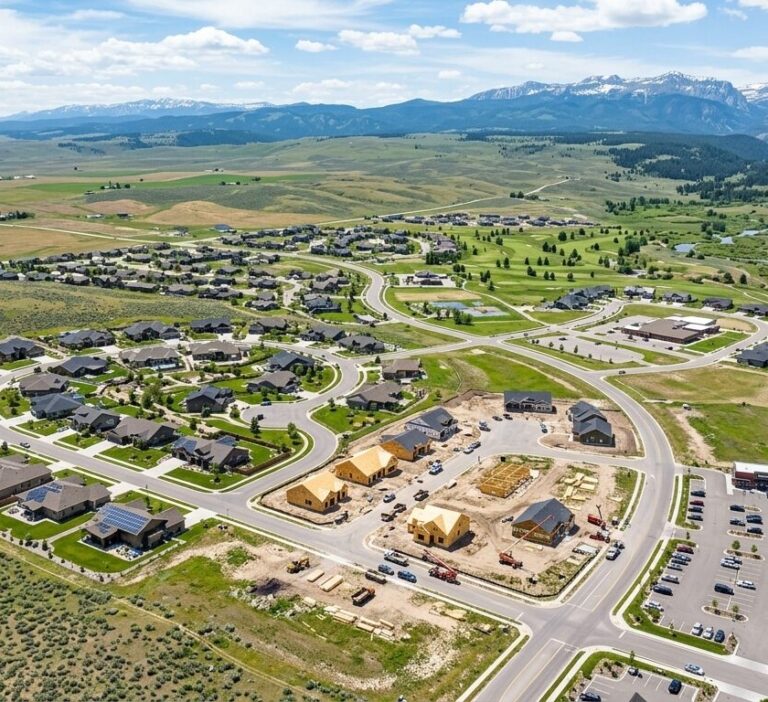
Owning a home in the heart of Wyoming offers a unique blend of high plains beauty and fiscal responsibility. One of the most significant advantages of living in this region is the absence of a state income tax, which places a spotlight on how local services are funded. For residents of Cheyenne and the surrounding rural areas, understanding the nuances of the Laramie County property tax system is essential for maintaining a healthy household budget. Unlike many other states where tax rates can feel like a moving target, Wyoming maintains a relatively structured and conservative approach to property assessments. This guide is designed to demystify the process for current homeowners and those looking to plant roots in our community.
The process of taxation in Wyoming is a multi-step cycle involving the County Assessor, the County Commissioners, and various local taxing entities like school districts and fire departments. While the idea of a tax bill can be daunting, the transparency of our local government makes it easier to track where every dollar goes. From funding the local library system to ensuring our roads are cleared after a heavy Wyoming snowstorm, the revenue generated here stays here. By learning how your home is valued and how those values translate into a final bill, you can navigate the fiscal landscape with much more confidence.
How the Laramie County Property Tax is Calculated
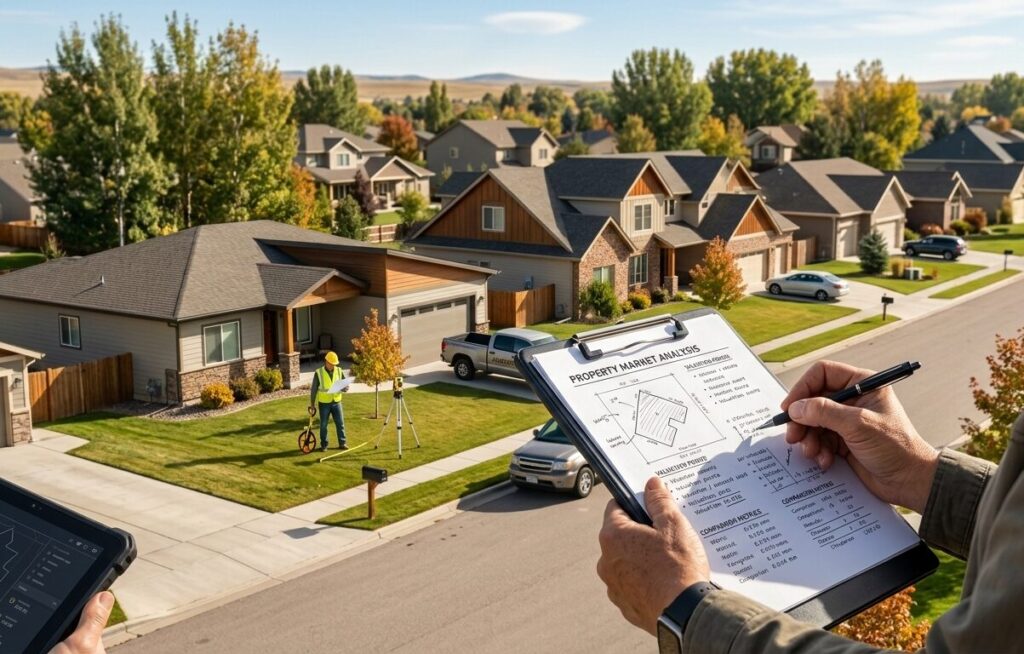
At its core, your tax bill is determined by the market value of your property as of January 1st of each tax year. The Laramie County Assessor is responsible for discovering, listing, and valuing all taxable property. It is important to note that the Assessor does not set the tax rate; rather, they determine the base value upon which those rates are applied. In Wyoming, residential property is assessed at 9.5% of its fair market value. This means if your home is valued at 400,000 dollars, your “assessed value” for tax purposes is 38,000 dollars.
Once the assessed value is established, the next step involves “mills.” A mill represents one-thousandth of a dollar, or 1 dollar of tax for every 1,000 dollars of assessed value. Various local entities submit their budget needs, which are converted into mill levies. When you add up the mills for the county, the city, the school district, and any special districts, you get the total levy for your specific location. This specific calculation is why two identical homes in different parts of the county might have a slightly different Laramie County property tax total.
The Role of the County Assessor
Every year, homeowners receive an Assessment Schedule in the mail, usually around April. This document is not a bill, but it is the most important piece of paper you will receive regarding your taxes. It tells you what the county believes your property is worth. You can consult the official Laramie County property tax information to understand the current 2026 assessment standards, view your payment status, and review the detailed mill levy breakdowns for each local district. The Assessor uses a method called mass appraisal, looking at sales of similar properties in your neighborhood to determine a fair market value.
If you believe the value on your Assessment Schedule is higher than what you could actually sell your home for, you have a limited window to appeal. Most residents find that the Assessor’s office is very open to discussions. By providing evidence of recent sales or pointing out physical issues with the property that might lower its value, you can often reach an agreement without a formal hearing. Understanding this process is a key part of the Cheyenne Wy real estate taxes explained resources available to local owners. Staying proactive during the assessment phase is the best way to ensure your future bill is accurate.
Important Deadlines for Homeowners
In Wyoming, property taxes are paid in arrears. This means the bill you receive in September is for the current calendar year. The state offers a convenient “split payment” system. You can pay the first half of your bill by November 10th and the second half by the following May 10th. Alternatively, many homeowners choose to pay the entire amount by December 31st to simplify their bookkeeping.
Missing these deadlines can result in interest penalties, so it is vital to keep track of the calendar. If you have a mortgage, your lender likely manages an escrow account for your Laramie County property tax. In this case, the bill is sent directly to the bank, and they handle the payment on your behalf. However, it is still your responsibility to verify that the bank has paid the correct amount on time. Checking your annual escrow statement against the county records is a smart habit for any homeowner.
Property Tax Exemptions and Relief Programs

Wyoming provides several avenues for tax relief, particularly for those on fixed incomes or those who have served in the military. The Veteran’s Exemption is one of the most common. Qualified veterans or their unmarried surviving spouses can apply for a reduction in their assessed value, which can lead to significant annual savings. Applications for this exemption must be filed with the County Assessor’s office by the fourth Monday in May each year.
There is also the Property Tax Refund Program, which is designed for low to moderate income residents. This program allows qualified homeowners to receive a refund of a portion of the taxes they have already paid. Because the criteria for this program can change based on state legislative decisions, it is always a good idea to check the current cost of living in Cheyenne Wy updating to see if you qualify. These programs are a vital safety net that helps keep homeownership affordable for long time residents.
How Special Districts Affect Your Bill
Depending on exactly where your home is located, you might see “special districts” listed on your tax breakdown. These can include Rural Fire Districts, Water and Sewer Districts, or the Weed and Pest District. Each of these entities has the authority to levy a small number of mills to fund their specific operations. For example, residents living just outside city limits might pay a slightly higher mill levy to support a volunteer fire department that services their specific area.
These districts are governed by elected boards, and their budget hearings are open to the public. If you see a spike in your Laramie County property tax, it is often due to a bond issue or a levy increase approved by voters for one of these districts. Whether it is a new school building or an expansion of the community college, these local investments are clearly reflected in your annual statement. It serves as a reminder that your tax dollars are working directly in the community where you live.
Understanding Market Trends and Valuations

The real estate market in Laramie County has seen steady growth over the last several years. Because the Assessor is required to value property at fair market value, rising home prices inevitably lead to higher assessments. If your neighbor sells their house for a record price, it provides a “comparable sale” that the county will use when valuing your home the following year.
While a higher assessment means a higher tax bill, it also signifies that your personal net worth is increasing. Equity is a powerful financial tool, and the Wyoming home prices trends suggest that Laramie County remains a robust market. For most homeowners, the slight increase in taxes is a fair trade for the significant appreciation in the value of their largest asset. Keeping an eye on local sales data can help you predict when your assessment might go up.
Agricultural and Commercial Classifications
It is worth noting that not all land is taxed the same way. Wyoming has specific rules for agricultural land, which is valued based on its capacity to produce, rather than its market value for development. To qualify for this, land must meet specific size and production requirements. For those owning large tracts of land on the outskirts of Cheyenne, this classification can result in a much lower Laramie County property tax burden compared to residential lots.
Commercial properties are assessed at the same 9.5% rate as residential homes, but the way their market value is determined often involves income and expense data. If you own a home office or run a business out of your property, the classification generally remains residential unless the primary use of the structure changes. Understanding these distinctions is important if you plan on expanding your property or changing its use in the future.
Why Laramie County Remains Affordable
Even with recent price increases, Wyoming’s property tax rates remain some of the lowest in the nation. When you combine the relatively low mill levies with the absence of state income tax, the total tax burden for a Laramie County resident is very favorable. This affordability is a major draw for retirees and young professionals alike. When people move from high tax states, they are often shocked at how much further their dollar goes here.
By maintaining a conservative approach to spending and avoiding state debt, Wyoming ensures that the Laramie County property tax remains a manageable expense for the average family. The focus on local control means that citizens have a direct say in how much they are taxed. Whether it is through voting on school bonds or attending county commissioner meetings, you have the power to influence the fiscal direction of your community.
Preparing for Future Tax Years
As we look toward the future, it is important to stay informed about potential legislative changes. Occasionally, the Wyoming Legislature discusses changes to the assessment rates or the creation of new relief programs. Staying engaged with local news and the County Assessor’s website will ensure you are never surprised by a change in policy.
For most homeowners, the best way to prepare is to set aside a small amount each month or ensure your escrow account is properly funded. By viewing the Laramie County property tax as a shared investment in the community’s safety, education, and infrastructure, the annual bill becomes much easier to manage. Laramie County is a wonderful place to call home, and our tax system is a key part of what makes our lifestyle sustainable.
Conclusion
Navigating the world of local taxation does not have to be a source of stress. By understanding the cycle of assessment, the application of mill levies, and the availability of relief programs, you can take full control of your home’s financial future. The Laramie County property tax is a transparent and locally controlled system that ensures our schools are strong and our neighborhoods are safe. As a homeowner, being informed is your best defense against unexpected costs and your best tool for long term financial planning. Whether you are paying your bill in a single lump sum or through a monthly mortgage escrow, you are contributing to the continued success and stability of the place we all call home.
Frequently Asked Questions
When are property tax bills mailed in Laramie County?
Tax bills are typically mailed by the County Treasurer in September of each year. If you do not receive your bill by the end of October, you should contact the Treasurer’s office to ensure they have your correct mailing address on file.
Can I appeal my property valuation if it seems too high?
Yes, you have 30 days from the date the Assessment Schedule is mailed (usually in April) to file an appeal. It is recommended to start by having an informal meeting with the Assessor’s office to review the data they used to value your home.
Is there a senior citizen property tax break in Wyoming?
While there isn’t a specific “senior” discount, many seniors qualify for the Property Tax Refund Program or the Veteran’s Exemption. These programs are based on income levels and military service rather than age alone.
How do I pay my Laramie County property tax?
Payments can be made online through the County Treasurer’s website, by mail, or in person at the City County Building. You can pay in two installments (November 10 and May 10) or in one full payment by December 31.
What happens if I don’t pay my property taxes on time?
Delinquent taxes accrue interest at a rate set by state law. If taxes remain unpaid for an extended period, the county may eventually hold a tax lien sale, where the right to collect the taxes is sold to a third party.
Does Laramie County have a personal property tax?
Wyoming does not have a personal property tax on household goods like furniture or appliances. However, business personal property (equipment used for business) is taxable and must be reported to the Assessor annually.