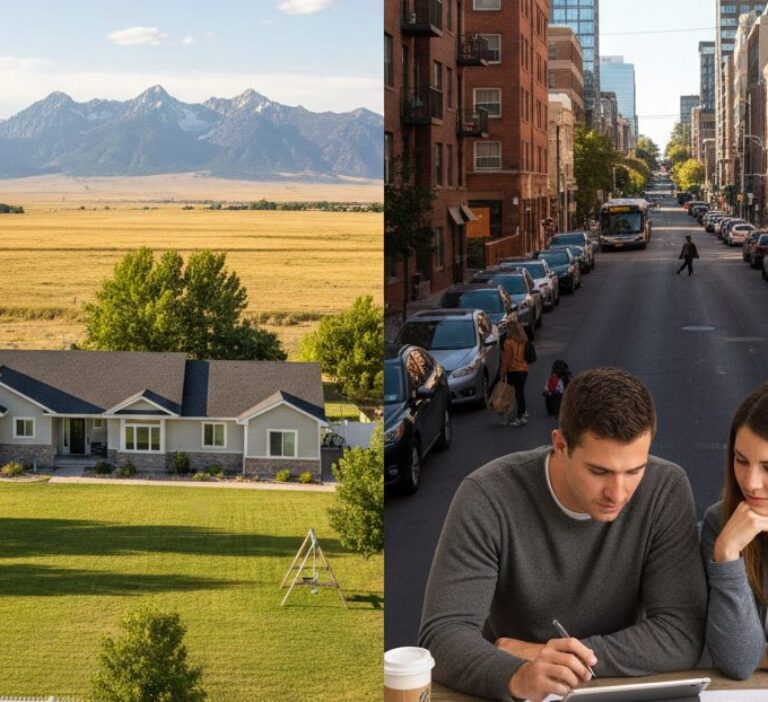
The landscape of the Equality State is known for its wide-open spaces and rugged beauty, but in 2026, it is the real estate landscape that is drawing the most attention. For homeowners and investors alike, the Wyoming housing forecast has become a central point of discussion as the market transitions from the post-pandemic frenzy into a period of sustainable recalibration. Unlike the national extremes seen in coastal metros, Wyoming continues to offer a unique blend of stability and growth, driven by a tax-friendly environment and a consistent influx of remote workers seeking a better quality of life.
Navigating this market requires more than just a glance at current listings; it requires a deep dive into the economic shifts and inventory patterns shaping the next twelve months. Whether you are looking at the suburban pockets of Cheyenne or the high-end retreats in Teton County, the data points toward a year of moderate appreciation and improved buyer opportunities. As we analyze the factors that define this year, we see a market that is no longer “exploding” but rather “maturing,” providing a more predictable environment for all parties involved.
The Current State of Wyoming Real Estate
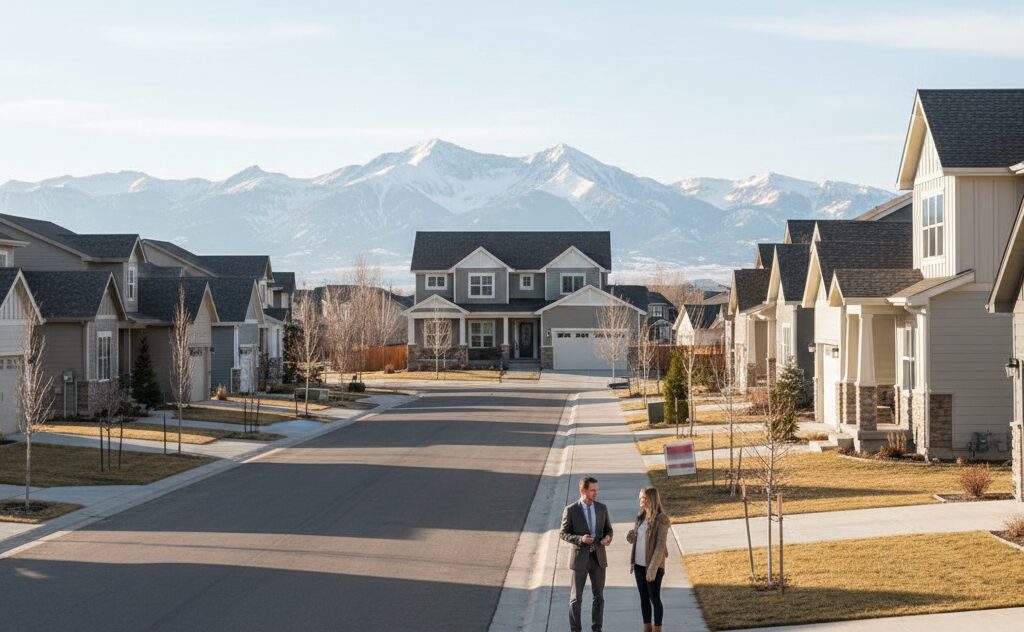
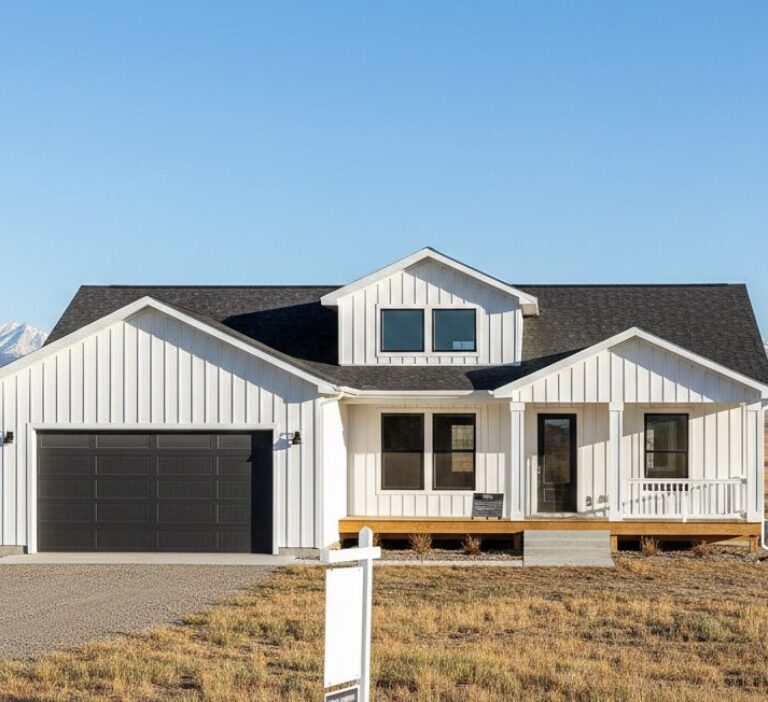
As of early 2026, the median home price in Wyoming has found a steady footing, currently hovering around $370,000 for a typical single-family residence. While this represents a significant increase from previous decades, the pace of growth has finally decelerated. Experts monitoring the Wyoming housing forecast suggest that we are entering a phase where price appreciation will align more closely with local wage growth, which is a healthy signal for long-term affordability.
Inventory levels remain the primary driver of market tension. Although active listings have increased by approximately 9% year-over-year, the supply still falls short of the historical six-month benchmark for a perfectly balanced market. This scarcity ensures that well-maintained homes in desirable neighborhoods still receive multiple offers, though the days of massive bidding wars are largely behind us. Buyers now have more time to conduct inspections and negotiate repairs, a luxury that was non-existent just two years ago.
Key Trends Shaping 2026
Several macroeconomic factors are converging to define the current real estate cycle. The most influential is the movement of mortgage rates. After peaking near 8% in late 2024, rates have stabilized in the low 6% range. This “new normal” has helped unlock the “lock-in effect,” where homeowners were previously afraid to sell because they didn’t want to trade their low-interest mortgages for higher ones. In 2026, more sellers are finally willing to list their properties, adding much-needed inventory to the pool.
In 2026, the local market remains a beacon of stability, largely due to the rigorous standards maintained by state regulatory bodies. This oversight ensures that every transaction is handled with a high degree of professional integrity and decision-making confidence. For those navigating these transactions, it is helpful to know that the Wyoming Real Estate Commission strictly regulates licensing and education to protect consumers and foster a transparent economic environment across the state. This includes requiring 2026 licensees to complete extensive mandatory coursework in areas like valuation, finance, and agency law, ensuring that every professional you work with is up to date on the latest market protections and legislative changes.
Another trend is the shift in buyer demographics. We are seeing a continued influx of “equity-rich” buyers from states like California and Colorado. These individuals often bring significant cash to the table, allowing them to bypass high-interest rates and secure properties quickly. This migration pattern supports the Wyoming housing forecast for steady demand, particularly in regions with strong outdoor recreation and low property taxes. For those interested in the local dynamics of the capital city, exploring a Cheyenne wy homebuyer guide can provide deeper insights into how these trends play out on a neighborhood-by-neighborhood basis.
Regional Deep Dive: Cheyenne and Beyond
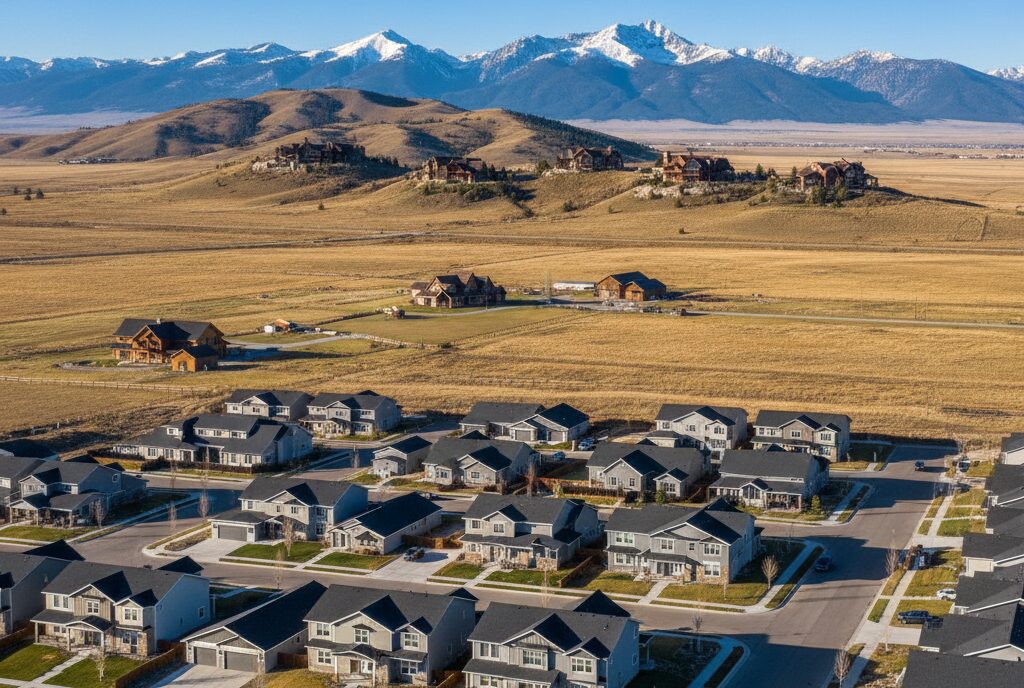
While the state-level data provides a broad overview, real estate is fundamentally local. Cheyenne, the state’s largest metro area, serves as a bellwether for the region. The city has seen a surge in new construction as developers race to fill the gap in entry-level housing. In 2026, the focus has shifted toward smaller, more efficient homes and townhouses that appeal to first-time buyers and young professionals.
In the northern parts of the state, such as Sheridan and Buffalo, the market remains tighter due to geographic constraints and a preference for larger acreage. Jackson Hole, meanwhile, continues to operate in its own atmosphere, with luxury prices far exceeding the state average. However, even in these high-end markets, the Wyoming housing forecast indicates a slight cooling in demand for speculative investments, as buyers prioritize primary residences over secondary vacation homes.
The Role of New Construction
New builds are playing a crucial role in rebalancing the market. In the past, the high cost of labor and materials limited the number of new starts. In 2026, we are seeing a more robust pipeline of residential developments. Builders are now offering concessions, such as interest rate buy-downs and upgraded finishes, to compete with the resale market. This competition is great news for buyers, as it forces resale sellers to be more realistic with their asking prices.
For those looking to build their own sanctuary, understanding the cost of building a house in Cheyenne wy guide is essential. The current climate involves navigating fluctuating lumber prices and a tight labor market, but for many, the ability to customize every detail of their home outweighs the challenges of the construction process. New construction is particularly appealing in areas where the existing housing stock is aging and requires significant renovation.
Affordability and the “Real” Cost of Living
Wyoming remains one of the most affordable states in the Mountain West, especially when you factor in the lack of a state income tax. However, the Wyoming housing forecast would be incomplete without discussing the rising costs of homeownership. Property taxes, while still low compared to the national average, have risen alongside property values. Additionally, home insurance premiums have seen double-digit increases as providers adjust for climate-related risks like wildfires and winter storms.
Despite these headwinds, Wyoming’s price-to-income ratio remains more favorable than that of neighboring Idaho or Utah. The state’s energy sector continues to provide high-paying jobs, which anchors the housing market in cities like Casper and Gillette. When buyers evaluate the market today, they aren’t just looking at the sticker price of the home; they are calculating the total cost of ownership over a ten-year horizon.
Investment Potential in 2026
For real estate investors, the 2026 forecast offers a “slow and steady” outlook. The days of 20% annual appreciation are gone, but so is the risk of a dramatic bubble burst. Investors are now focusing on long-term rentals and multifamily properties. The rental market in Wyoming remains tight, with vacancy rates under 5% in major employment hubs. This makes residential real estate a reliable hedge against inflation.
Short-term rentals continue to be a popular option in tourist-heavy areas, though local zoning regulations have become more stringent. Savvy investors are now looking toward “path of growth” land development. Exploring land development opportunities in the outskirts of growing cities allows for significant upside potential as municipal services expand. The Wyoming housing forecast suggests that land will remain a premium asset as the state continues to attract those fleeing high-density urban environments.
The Impact of Remote Work
The “Zoom Town” phenomenon that began in 2020 has proven to be more than a temporary trend. In 2026, a significant portion of Wyoming’s new residents are remote workers who have traded their commutes for mountain views. This has shifted the demand toward homes with dedicated office spaces and high-speed fiber internet. Local municipalities have responded by investing in broadband infrastructure, further enhancing the state’s appeal to the tech-savvy workforce.
This shift has also impacted the design of new homes. We are seeing more “flex spaces” that can serve as home gyms, classrooms, or professional studios. The Wyoming housing forecast reflects this evolution in lifestyle, as buyers are willing to pay a premium for homes that support a hybrid work-life balance. This demand is particularly strong in suburbs that offer a mix of community amenities and easy access to natural parks.
Environmental Factors and Sustainability
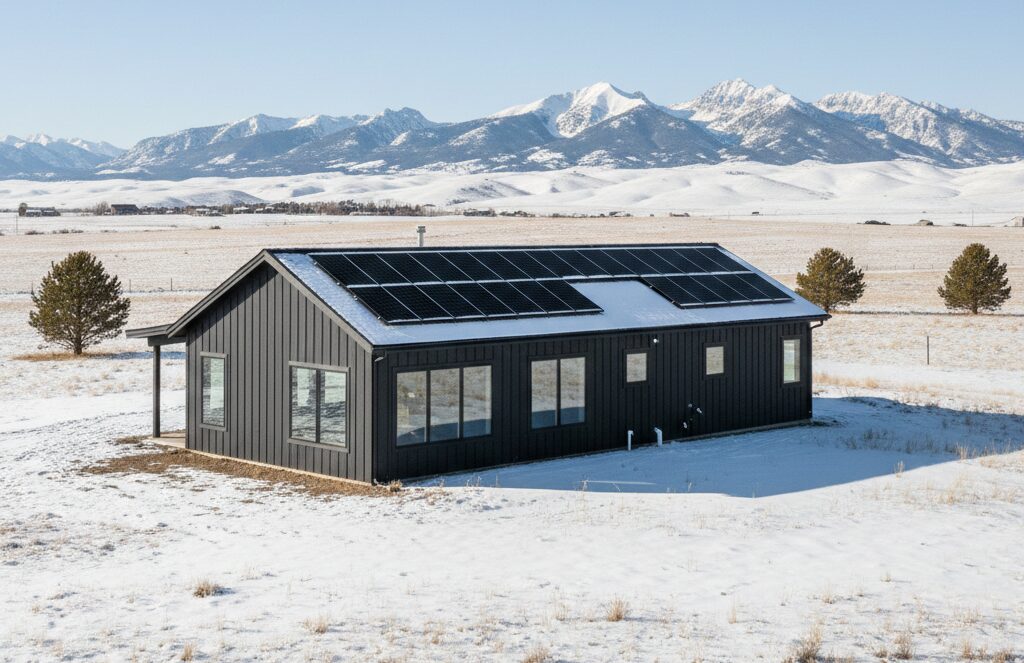
In 2026, environmental considerations have moved to the forefront of the real estate conversation. Energy efficiency is no longer a luxury; it is a necessity for homeowners looking to mitigate high winter utility bills. Modern homes in Wyoming are being built with superior insulation, triple-pane windows, and smart thermostats as standard features.
Buyers are also becoming more “wildfire-aware,” asking questions about defensible space and fire-resistant siding. The Wyoming housing forecast indicates that homes with sustainable features are selling faster and holding their value better than older, less efficient properties. As the state experiences more variable weather patterns, the resilience of a home’s structure has become a key selling point in the competitive 2026 market.
Looking Ahead: What to Expect in H2 2026
As we look toward the second half of the year, the market is expected to remain in “balanced territory.” We do not anticipate a significant drop in prices, but rather a flattening of the growth curve. This period of stability is a welcome sight for the real estate industry, as it allows for a more orderly transaction process. Sellers should focus on professional staging and accurate pricing to attract qualified buyers, while buyers should keep a close eye on interest rate fluctuations to optimize their financing.
The Wyoming housing forecast remains optimistic because the underlying fundamentals of the state are strong. Low unemployment, a stable energy sector, and a high quality of life ensure that people will continue to move to Wyoming. For those ready to participate in this market, the key is to stay informed and act with a long-term perspective. Real estate in the Equality State is a marathon, not a sprint, and 2026 is proving to be a year where the patient participant will find the greatest success.
FAQs
Are home prices expected to drop in Wyoming in 2026?
Current data suggests that a major price drop is unlikely. Instead, the market is seeing a “flattening” where prices rise only modestly (1% to 3%) or stay level. The high demand from out-of-state buyers and limited inventory continue to provide a floor for property values.
Is it a buyer’s or seller’s market in Wyoming right now?
The market is currently in a balanced state. Sellers still have the advantage of low inventory, but buyers have gained leverage through longer days on market and the ability to negotiate contingencies that were previously waived.
How do Wyoming’s property taxes compare to other states?
Wyoming has some of the lowest property taxes in the country. Taxes are based on 9.5% of the assessed fair market value, and the state’s lack of income tax makes the overall tax burden very low for residents.
What is the impact of mortgage rates on the Wyoming housing forecast?
Mortgage rates are the “swing factor.” As they have stabilized in the 6% range, sales activity has increased. If rates dip further, we expect a surge in demand; if they rise, the market will likely see a slowdown in sales volume but not necessarily a drop in prices.
Which Wyoming cities are seeing the most growth in 2026?
Cheyenne, Casper, and Sheridan are seeing the most consistent growth. Cheyenne benefits from its proximity to the Front Range of Colorado, while Casper and Sheridan attract residents through strong local economies and lifestyle appeal.
Conclusion
The Wyoming housing forecast for 2026 paints a picture of a resilient and maturing market. After several years of unprecedented change, the state has found a new equilibrium that benefits both those looking to sell and those hoping to buy. While challenges such as insurance costs and inventory shortages remain, the fundamental appeal of Wyoming, its space, its community, and its freedom, continues to drive the real estate sector forward. As the year progresses, the focus will remain on sustainability, smart technology, and the continued integration of remote work into the local economy. For those who understand these nuances, the 2026 market offers a stable platform for building wealth and finding a place to call home in one of the most beautiful regions of the United States.