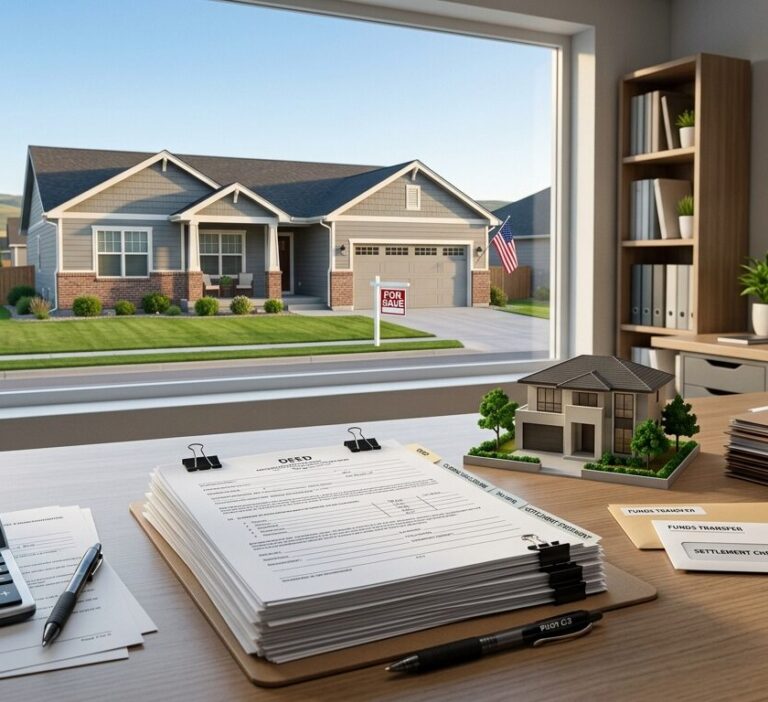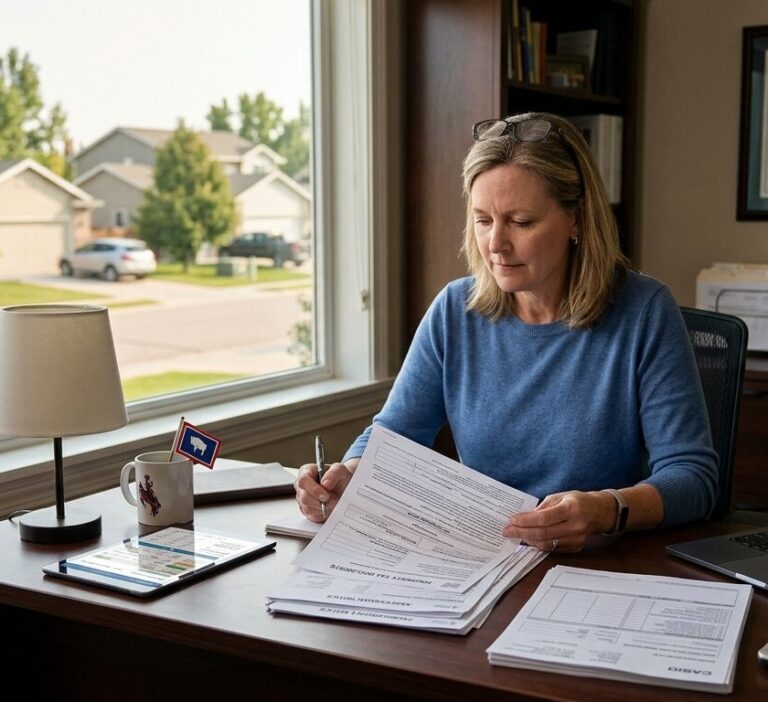
Home insurance is one of those expenses many homeowners accept without fully understanding. You know it is required, you know it protects your property, but the actual cost often feels unclear until the first bill arrives. Whether you are buying your first home, relocating, or reassessing your expenses, knowing the approximate home insurance cost can help you plan smarter and avoid surprises.
Insurance premiums are not random numbers. They are based on location, property value, construction type, coverage limits, and even your personal history. While national averages provide a rough idea, local factors play a major role in what homeowners actually pay. Understanding these factors helps you compare policies, budget accurately, and make informed housing decisions.
This guide explains what goes into the approximate home insurance cost, how prices vary by home type and location, and what homeowners can do to manage premiums without sacrificing coverage.
What Is Home Insurance and Why It Matters
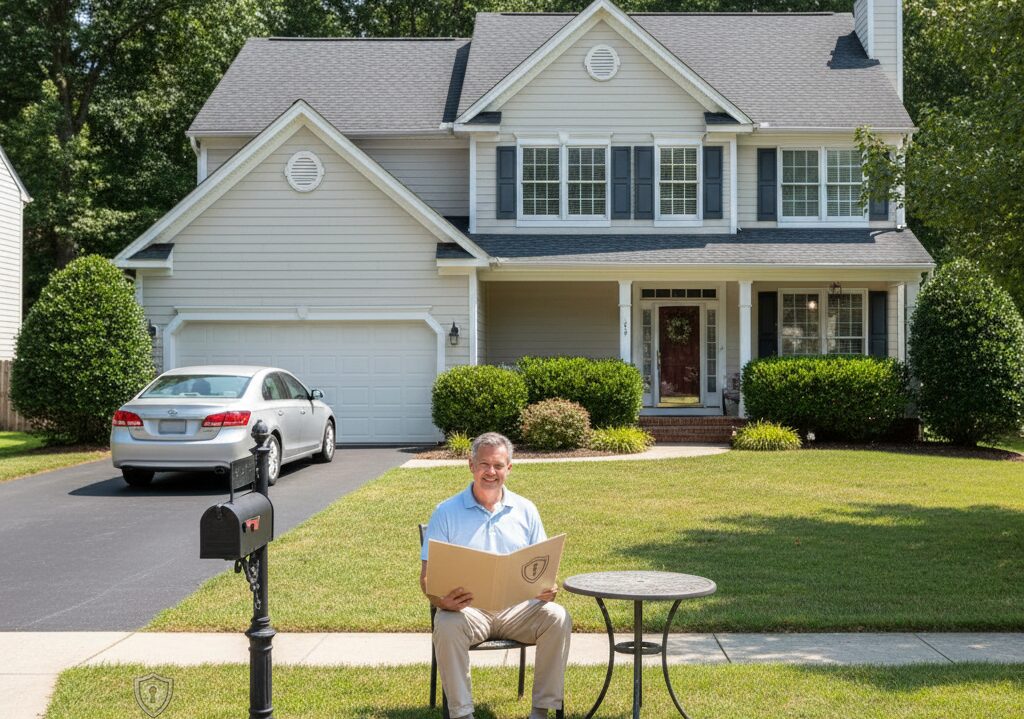
Home insurance is a policy designed to protect homeowners from financial loss due to damage, theft, or liability issues. It typically covers the structure of the home, personal belongings, liability protection, and additional living expenses if the property becomes uninhabitable.
For most buyers, insurance is not optional. Mortgage lenders require proof of coverage before closing, and maintaining insurance is necessary for the life of the loan. Even homeowners without a mortgage benefit from insurance, as unexpected repairs or legal claims can quickly become expensive.
Understanding the approximate home insurance cost allows homeowners to weigh coverage options realistically and avoid being underinsured.
Average Home Insurance Costs Across the United States
Nationally, homeowners insurance costs vary widely, but most homeowners pay between $1,200 and $1,800 per year. This range reflects differences in climate, construction costs, and regional risk factors. States prone to hurricanes, wildfires, or flooding often have higher premiums, while states with fewer natural hazards typically see lower rates.
However, averages can be misleading. A newer home with modern safety features may cost significantly less to insure than an older property of the same value. This is why understanding the approximate home insurance cost requires looking beyond national data and focusing on your specific situation.
Factors That Affect the Approximate Home Insurance Cost

Location and Regional Risks
Where your home is located has one of the biggest impacts on insurance pricing. Insurers assess the likelihood of weather events, crime rates, and proximity to emergency services. Homes closer to fire stations and hydrants often receive lower premiums.
In areas with strong housing demand and steady growth, such as Wyoming communities experiencing relocation interest, insurers also consider rebuilding costs and labor availability. These local factors directly influence the approximate home insurance cost for homeowners.
Home Value and Replacement Cost
Insurance does not cover the market value of your home. It covers the cost to rebuild it. Larger homes, custom designs, and properties with high-end finishes cost more to replace, increasing premiums.
Homeowners exploring residential purchases should keep this in mind, especially when evaluating long-term affordability. Buyers looking to understand ownership expenses often review property costs alongside insurance considerations when browsing buy residential properties to ensure total housing expenses align with their budget.
Age and Condition of the Property
Older homes usually cost more to insure due to outdated electrical systems, plumbing, or roofing materials. Insurers see these as higher risk, which raises premiums. Renovations and updates can sometimes lower the approximate home insurance cost by reducing the chance of claims.
Well-maintained properties signal lower risk and may qualify for discounts or preferred policies.
Coverage Limits and Deductibles
Higher coverage limits mean higher premiums. Choosing a lower deductible increases your premium but reduces out-of-pocket costs when filing a claim. Finding the right balance depends on financial comfort and risk tolerance.
Homeowners who understand their approximate home insurance cost often adjust deductibles strategically to manage monthly expenses without compromising protection.
Home Insurance Costs for Different Property Types

Single-Family Homes
Single-family homes are generally straightforward to insure. Costs depend on size, location, and construction. Detached structures often cost more than townhomes because insurers cover the entire building, not just interior components.
Condos and Townhomes
Condo insurance typically costs less than single-family insurance because the homeowners association covers exterior structures. Owners only insure interior spaces and personal belongings. This results in a lower approximate home insurance cost for condo owners.
Rental Properties
Insurance for rental homes is usually more expensive than owner-occupied policies. Landlord insurance includes liability protection and coverage for rental-related risks. Owners comparing long-term housing expenses should factor this into investment decisions.
Homeowners following property trends in Cheyenne WY often see insurance costs change alongside rising home values and construction expenses. Staying informed helps homeowners anticipate adjustments rather than being caught off guard, especially when factoring in the cost of living in Cheyenne WY for accurate budget planning.
How Local Market Trends Influence Insurance Costs
Housing market trends impact rebuilding costs, which in turn affect insurance pricing. Rising construction costs lead insurers to adjust premiums to reflect higher replacement values. This is especially relevant in markets experiencing growth and development.
Homeowners exploring residential purchases should keep this in mind, especially when evaluating long-term affordability. Buyers looking to understand ownership expenses often review property costs alongside insurance considerations when browsing buy residential properties to ensure total housing expenses align with their budget.
Homeowners planning to sell a home in Cheyenne WY may also review insurance coverage to ensure the property remains protected through the selling process. This step is crucial if you want to maximize your sale value when listing your property on sell residential property in Cheyenne WY.
Ways to Lower Your Home Insurance Premium
Bundle Insurance Policies
Combining home and auto insurance with the same provider often leads to discounts. Bundling is one of the simplest ways to reduce the approximate home insurance cost without sacrificing coverage.
Improve Home Safety Features
Installing smoke detectors, security systems, and storm-resistant materials can lower premiums. Insurers reward homes with reduced risk of damage or loss.
Maintain Good Credit
In many states, insurers use credit-based insurance scores to determine premiums. A strong credit profile often results in lower insurance costs over time.
Review Coverage Annually
Homeowners should review their policies every year to ensure coverage aligns with current needs. Over-insuring can unnecessarily increase the approximate home insurance cost, while under-insuring creates financial risk.
Insurance Costs for New Construction vs Older Homes
New construction homes often qualify for lower premiums due to modern building codes and updated materials. These homes are less likely to experience major issues, making them attractive to insurers.
Insurance premiums are not random numbers. They are based on location, property value, construction type, coverage limits, and even your personal history. For authoritative guidance on homeowners insurance in Wyoming, you can refer to the Wyoming Department of Insurance, which outlines required coverage, consumer rights, and tips for choosing the right policy.
Buyers evaluating how much do new construction homes cost in Cheyenne WY often discover that insurance savings partially offset higher purchase prices, improving long-term affordability.
Common Mistakes Homeowners Make With Insurance
Many homeowners choose policies based solely on price without understanding coverage details. Others fail to update policies after renovations, leaving gaps in coverage. These mistakes can lead to higher out-of-pocket costs during claims.
Understanding the approximate home insurance cost involves more than finding the cheapest policy. It requires balancing coverage, risk, and long-term protection.
When to Reevaluate Your Insurance Policy
Life changes such as renovations, refinancing, or moving should trigger a policy review. Market conditions and regional risks evolve, and insurance should evolve with them.
Homeowners planning to sell a home in Cheyenne WY may also review insurance coverage to ensure the property remains protected through the selling process.
FAQs
How often do home insurance rates increase?
Rates can change annually based on inflation, claims history, and regional risks.
Is home insurance tax deductible?
For primary residences, insurance premiums are generally not deductible.
Does home insurance cover natural disasters?
Coverage varies. Some disasters require separate policies.
Can switching insurers lower my premium?
Yes, comparing providers regularly can reduce costs.
Do home improvements increase insurance costs?
Improvements can raise coverage limits but may reduce risk-related premiums.
Conclusion
Understanding the approximate home insurance cost gives homeowners clarity, confidence, and control. Insurance is not just a requirement. It is a critical part of protecting your investment and financial stability. Costs vary based on location, property type, coverage choices, and market conditions, but informed homeowners can manage premiums effectively.
By reviewing policies regularly, improving home safety, and understanding how local trends affect pricing, homeowners can strike the right balance between affordability and protection. Whether you are buying, selling, or simply planning for the future, knowing what to expect from home insurance helps you make smarter decisions and avoid unnecessary financial stress.