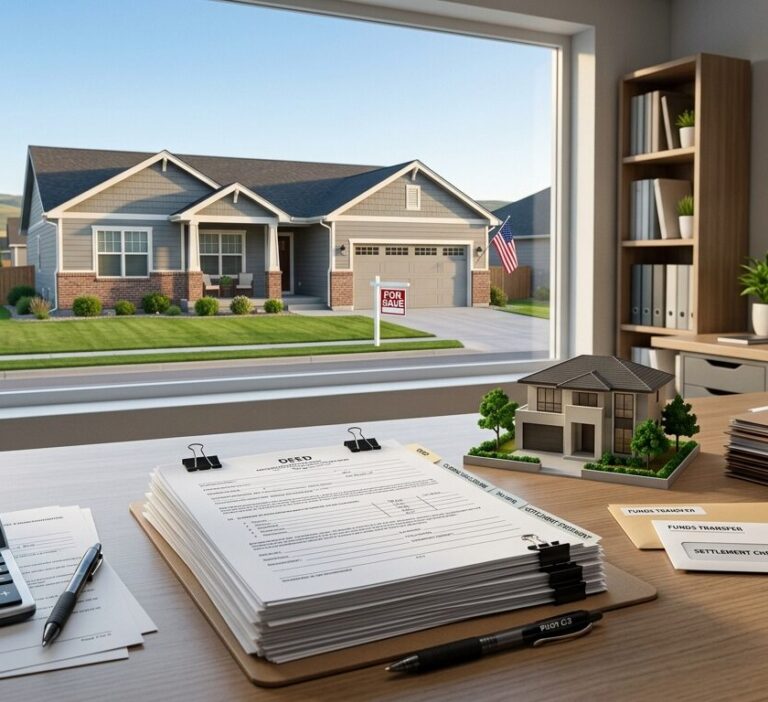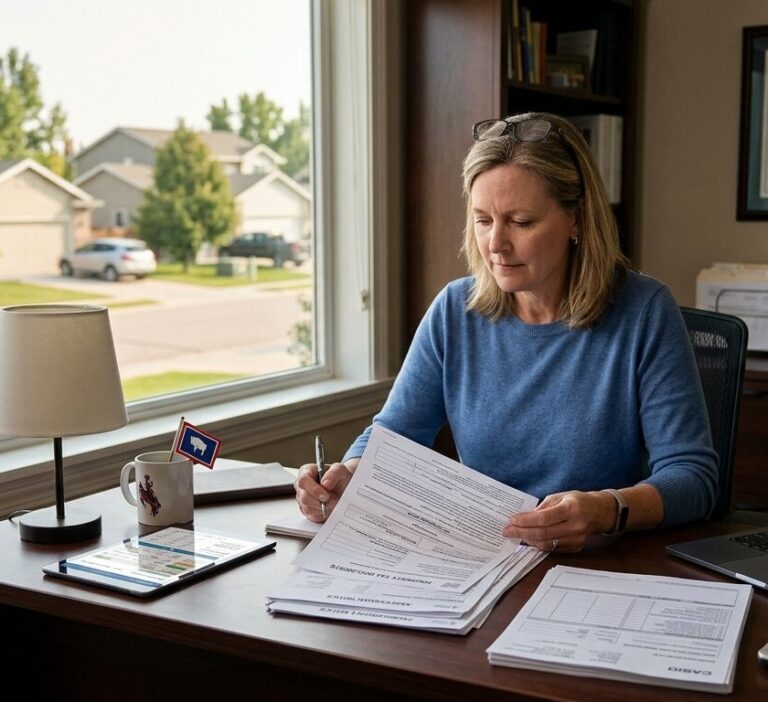
Buying, selling, or developing property in Cheyenne involves more than market trends and location preferences. Zoning plays a major role in determining how land can be used, what can be built, and how properties evolve over time. For homeowners, investors, and developers alike, understanding Cheyenne WY zoning laws and regulations is essential for protecting property value and avoiding costly mistakes.
Zoning rules affect everything from residential additions to commercial developments and land investments. Many property owners only discover zoning restrictions after plans are underway, which can lead to delays, redesigns, or even denied permits. Learning how zoning works before making decisions allows property owners to move forward with confidence.
This guide breaks down zoning basics, common zoning districts, permitted uses, and how Cheyenne’s regulations impact real estate decisions. Whether you already own property or are considering a purchase, understanding Cheyenne WY zoning laws and regulations will help you make informed choices.
What Are Zoning Laws and Why Do They Matter?
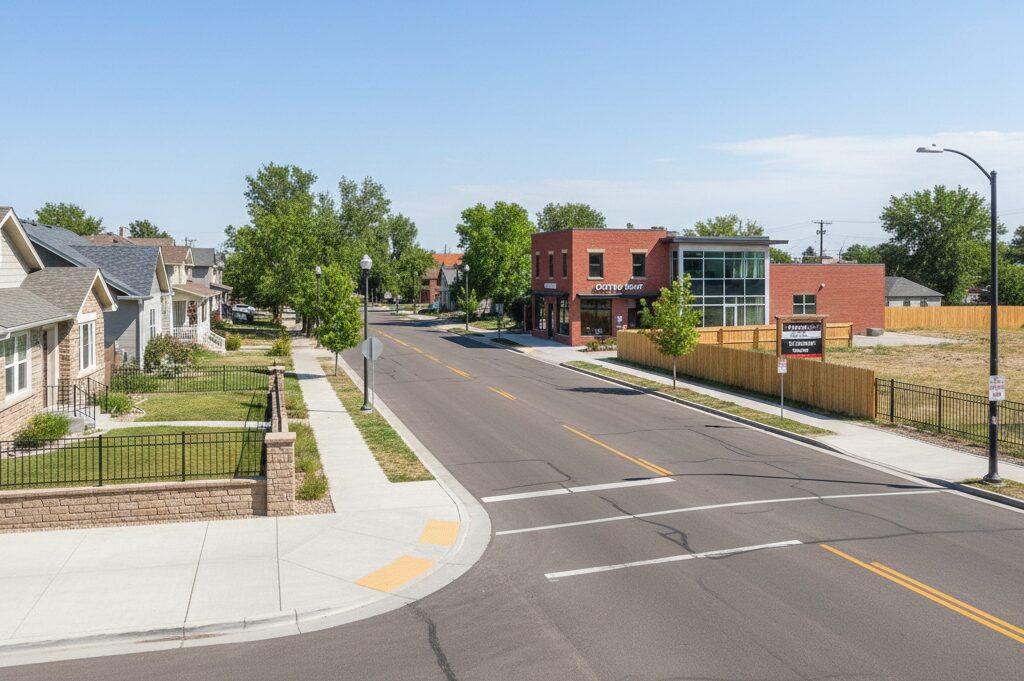
Zoning laws are local regulations that control how land and buildings can be used within specific areas. In Cheyenne, zoning is designed to balance growth, protect neighborhoods, manage traffic, and support long-term city planning. These rules help separate incompatible land uses, such as heavy industrial operations near residential homes.
For property owners, zoning determines whether a property can be used for residential, commercial, mixed-use, or special purposes. Cheyenne WY zoning laws and regulations also define building height limits, lot sizes, setbacks, parking requirements, and density restrictions.
Ignoring zoning requirements can result in fines, legal disputes, or forced changes to a property. That is why zoning should always be reviewed before buying, selling, or developing real estate.
Overview of Cheyenne Zoning Districts
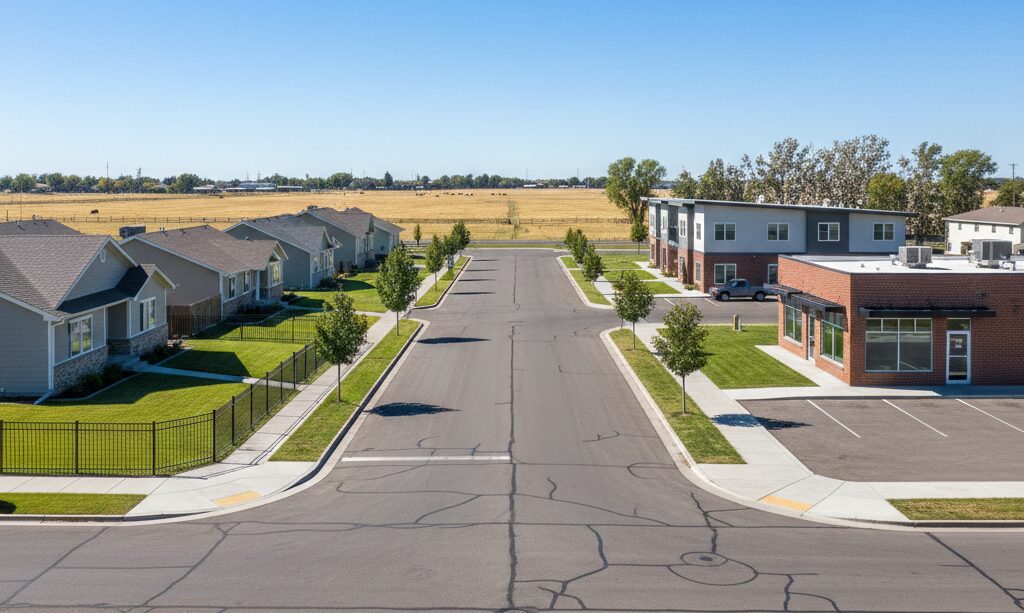
Cheyenne uses several zoning categories to guide land use across the city. Each district comes with specific rules that property owners must follow.
Residential Zoning Districts
Residential zones are designed for housing and related uses. These areas typically allow single-family homes, townhomes, and in some cases multi-family buildings. Zoning rules in residential districts control building size, lot coverage, and accessory structures.
For buyers planning to build or invest, understanding zoning is also a key step in learning how to buy land in Wyoming without running into approval delays or compliance issues.
Understanding Cheyenne WY zoning laws and regulations is especially important for homeowners planning additions, rental units, or home-based businesses.
Commercial Zoning Districts
Commercial zoning supports retail, office, and service-based businesses. These districts often allow higher traffic volumes, signage, and parking. Property owners interested in business development should carefully review use restrictions and design standards.
Investors exploring commercial property in Cheyenne WY should always confirm zoning classifications before purchase, as permitted uses directly impact long-term profitability.
Investors evaluating properties for business purposes often explore opportunities through local resources such as buying commercial properties in Cheyenne, where zoning plays a major role in determining potential uses.
Industrial Zoning Districts
Industrial zones are reserved for manufacturing, warehousing, and distribution. These areas typically allow larger structures and higher noise levels. Industrial zoning is strictly regulated to limit its impact on surrounding neighborhoods.
Agricultural and Special Use Zones
Some areas around Cheyenne are designated for agricultural or special purposes. These zones may allow farming, open space, or public facilities. Development in these areas is often limited and subject to additional review.
The City of Cheyenne Planning and Development Department manages zoning enforcement, land use review, and development planning. Property owners can consult this official resource to understand how zoning classifications, permits, and development standards apply to their specific parcels.
How Zoning Affects Property Use
Zoning directly impacts what you can do with a property. Even if a building exists, its use must comply with current zoning rules. For example, converting a home into a multi-unit rental or opening a business in a residential zone may not be allowed.
Cheyenne WY zoning laws and regulations also affect:
- Whether short-term rentals are permitted
- The ability to subdivide land
- Building expansions and renovations
- Parking and access requirements
Property owners should always verify zoning classifications before making changes.
Zoning and Land Development in Cheyenne
Land development is heavily influenced by zoning. Zoning determines density, road access, utility connections, and environmental considerations. Buyers interested in development often focus on parcels already aligned with intended uses.
Those exploring land for future projects frequently review available land for sale in Cheyenne while analyzing zoning compatibility. Matching zoning with development goals reduces approval risks and project delays.
Understanding Cheyenne WY zoning laws and regulations early in the planning process helps developers align designs with city requirements.
Zoning Changes and Variances
In some cases, property owners can request zoning changes or variances. A zoning change involves reclassifying a property into a different zoning district, while a variance allows limited exceptions to existing rules.
These requests typically require public hearings, planning reviews, and city council approval. Approval is never guaranteed, so property owners should not rely on potential changes when making purchase decisions.
Zoning flexibility exists, but it requires preparation, documentation, and patience.
Zoning and Property Taxes
Zoning can influence property tax assessments by affecting land use and development potential. Commercial or mixed-use zoning may result in higher assessed values compared to residential zoning.
Zoning designations can also influence property tax in Cheyenne, particularly when land is rezoned for higher-density or commercial use.
Property owners reviewing long-term costs often consider how zoning aligns with local property tax structures. Resources focused on property tax in Cheyenne help owners understand how land use impacts tax obligations.
Cheyenne WY zoning laws and regulations work hand in hand with taxation policies, making it important to evaluate both together.
Zoning Considerations for Homebuyers
Homebuyers often assume zoning only matters to developers, but zoning affects everyday living. It determines nearby land uses, future construction, and neighborhood character.
Buyers should review zoning maps to understand what can be built nearby. A vacant lot next door could later become a commercial property if zoning allows it.
Understanding Cheyenne WY zoning laws and regulations helps buyers avoid surprises that could affect quality of life and resale value.
Zoning and Real Estate Investment Strategy
For investors, zoning influences rental potential, redevelopment options, and exit strategies. Properties zoned for flexible use often offer stronger long-term value.
Investors evaluating Cheyenne’s market often combine zoning analysis with market trends, population growth, and infrastructure planning. Zoning can either limit or enhance return potential.
Careful review of Cheyenne WY zoning laws and regulations allows investors to align purchases with realistic income and development goals.
Common Zoning Mistakes Property Owners Make
Many zoning-related problems arise from assumptions rather than research. Common mistakes include:
- Assuming previous uses are still permitted
- Starting renovations without permits
- Ignoring setback and height limits
- Overlooking parking and access rules
Avoiding these mistakes starts with understanding zoning requirements before taking action.
How to Check Zoning for a Property

Property owners can verify zoning through the city planning department or official zoning maps. Zoning codes outline permitted uses, restrictions, and development standards.
Reviewing zoning documents may seem technical, but it is a crucial step in responsible property ownership.
Working With Professionals
Real estate agents, land use attorneys, and planners help property owners interpret zoning rules and navigate approvals. Their expertise can save time and reduce risk.
Professionals familiar with Cheyenne WY zoning laws and regulations provide valuable guidance when buying, selling, or developing property.
Zoning and Future Growth in Cheyenne
Cheyenne continues to evolve, and zoning plays a key role in shaping future growth. Infrastructure projects, housing demand, and economic development influence zoning updates over time.
Staying informed about zoning changes helps property owners anticipate opportunities and challenges.
FAQs
What is zoning in Cheyenne, Wyoming?
Zoning defines how land can be used and developed within the city.
Can zoning be changed for a property?
Yes, but changes require approval through formal city processes.
Does zoning affect property value?
Yes, zoning impacts allowed uses and development potential.
Where can I find zoning information?
Zoning details are available through city planning resources.
Is zoning important for residential buyers?
Yes, zoning affects neighborhood use and future development.
Conclusion
Understanding Cheyenne WY zoning laws and regulations is essential for anyone involved in local real estate. Zoning shapes how properties are used, developed, and valued over time. From homeowners planning improvements to investors evaluating opportunities, zoning awareness reduces risk and supports smarter decisions.
By reviewing zoning classifications, understanding permitted uses, and seeking professional guidance when needed, property owners can avoid costly mistakes and protect long-term value. As Cheyenne continues to grow, zoning knowledge remains a powerful tool for navigating the real estate landscape with confidence.