Wyoming continues to attract renters and investors looking for affordability, open space, and stable local economies. While larger states often dominate real estate headlines, Wyoming’s rental markets quietly deliver consistency rather than volatility. Among these markets, Cheyenne stands out as a city worth closer examination.
The Cheyenne WY rental market forecast has become a frequent topic of interest for landlords, first time investors, and residents deciding whether renting or buying makes more sense in the coming years. Compared to other Wyoming cities, Cheyenne offers a unique balance of government employment, military presence, and steady population movement that shapes rental demand differently than tourist driven or energy dependent areas.
This article takes a detailed look at how Cheyenne’s rental outlook compares with cities like Casper, Laramie, Gillette, and Rock Springs. By understanding what drives demand, pricing stability, and long term growth, renters and investors can make informed decisions backed by local realities rather than national assumptions.
Overview of Wyoming’s Rental Market Landscape
Wyoming’s rental market is shaped by its small population, wide geographic spread, and industry focused cities. Unlike high density states, rental demand here is often localized and tied closely to employment hubs.
Cities such as Casper and Gillette experience rental fluctuations based on energy sector cycles. Laramie’s rental demand is heavily influenced by the University of Wyoming and seasonal academic schedules. In contrast, Cheyenne benefits from being the state capital and hosting F.E. Warren Air Force Base, creating a more balanced and predictable rental environment.
This broader context is important when evaluating the Cheyenne WY rental market forecast, as it explains why Cheyenne behaves differently from other Wyoming cities even during statewide economic shifts.
Why Cheyenne’s Rental Market Is More Stable
Cheyenne’s economy is not dependent on a single industry. Government offices, military employment, healthcare, and transportation all contribute to steady job availability. This diversity supports consistent rental demand throughout the year.
One of the strongest drivers behind the Cheyenne WY rental market forecast is long term tenancy. Many renters stay for multiple years due to stable employment, family needs, or military assignments. This reduces turnover and vacancy risk for property owners.
Cheyenne’s rental stability is closely tied to statewide employment and population trends. Data from the Wyoming Economic Analysis Division shows consistent government and public sector employment, which helps support steady rental demand compared to energy-dependent cities.
Additionally, Cheyenne’s proximity to Colorado attracts renters who want lower living costs while maintaining access to Front Range job markets. This cross border demand does not exist at the same level in other Wyoming cities.
Rental Pricing Trends in Cheyenne
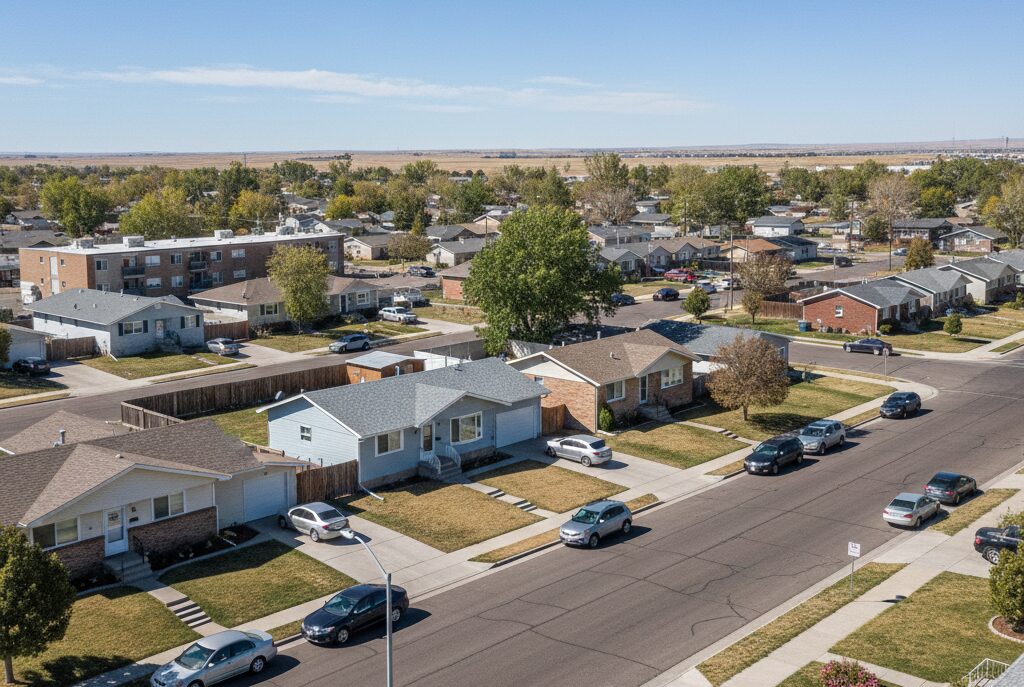
Rental prices in Cheyenne have increased steadily but not aggressively. This moderate growth appeals to both renters seeking affordability and investors seeking sustainable returns rather than short term spikes.
The Cheyenne WY rental market forecast suggests continued gradual rent appreciation rather than sudden jumps. This is driven by limited housing inventory, controlled development, and stable population growth.
Compared to cities like Jackson, where rents are heavily influenced by tourism and luxury demand, Cheyenne remains accessible for working professionals, families, and military personnel.
For those comparing renting versus buying, insights from Cheyenne rentals vs buying what’s more affordable in 2025 help clarify how rental costs align with ownership expenses in the current market.
Comparing Cheyenne to Casper
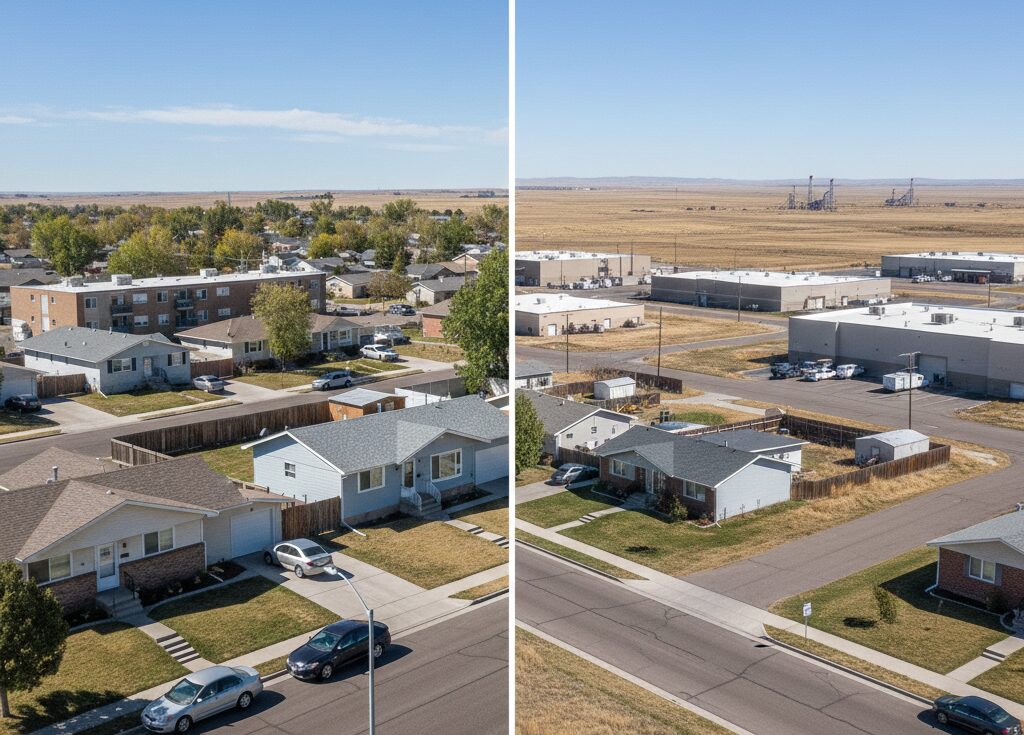
Casper is Wyoming’s second largest city, but its rental market is more closely tied to the energy sector. When oil and gas activity slows, rental demand often follows.
The Cheyenne WY rental market forecast appears stronger than Casper’s due to Cheyenne’s diversified economy. While Casper can offer higher rents during energy booms, it also carries higher vacancy risk during downturns.
Investors seeking stability often favor Cheyenne over Casper, even if short term cash flow in Casper occasionally looks attractive.
Comparing Cheyenne to Laramie
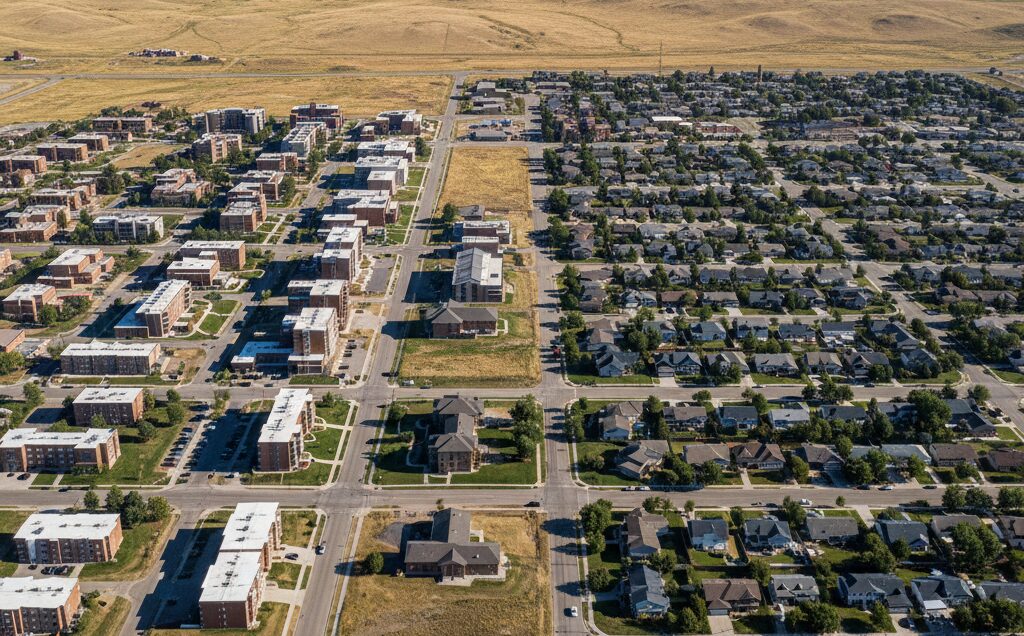
Laramie’s rental market is largely shaped by the University of Wyoming. Student housing dominates demand, creating predictable but seasonal patterns.
In contrast, the Cheyenne WY rental market forecast reflects year round demand rather than academic cycles. While Laramie can provide strong rental income during the school year, vacancy risk increases during summer months.
Cheyenne’s renter base includes families, professionals, and military households, creating a more balanced tenant mix and consistent occupancy.
Comparing Cheyenne to Gillette and Rock Springs
Gillette and Rock Springs are closely tied to mining and energy industries. Their rental markets can perform well during economic upswings but are vulnerable to industry contractions.
The Cheyenne WY rental market forecast benefits from insulation against these fluctuations. While rents in energy focused cities may spike temporarily, Cheyenne’s growth tends to be steadier and more predictable.
This makes Cheyenne appealing for investors prioritizing long term stability over short term gains.
Demand Drivers Supporting Cheyenne Rentals
Several factors continue to support rental demand in Cheyenne. Government employment remains stable, and military assignments ensure a steady flow of incoming renters.
Remote work has also expanded Cheyenne’s renter pool. Professionals relocating from higher cost states often choose Cheyenne for affordability and quality of life.
These trends reinforce the Cheyenne WY rental market forecast and differentiate the city from more isolated Wyoming markets.
Those exploring why the city appeals to investors can find deeper insight in why Cheyenne’s real estate appeals to investors in 2025, which highlights long term demand factors.
Neighborhood Influence on Rental Performance
Not all rental properties perform equally across Cheyenne. Neighborhood selection plays a major role in occupancy rates and rental income.
Areas near downtown, military housing zones, and established residential neighborhoods tend to attract long term tenants. These locations support the positive Cheyenne WY rental market forecast by offering convenience, schools, and access to employment centers.
Understanding neighborhood dynamics helps landlords avoid overpricing and vacancy issues common in less desirable areas.
Rental Property Types in Demand
Single family homes, townhomes, and smaller multi family units perform well in Cheyenne. Large apartment complexes are less common than in larger cities, which limits oversupply.
The Cheyenne WY rental market forecast indicates continued demand for properties that offer space, parking, and privacy. This reflects the preferences of families and military renters.
Properties that meet these needs tend to outperform comparable rentals in other Wyoming cities with higher density housing.
Affordability Compared to Other Cities
Cheyenne remains one of the more affordable rental markets in Wyoming when measured against income levels. While Jackson and Teton County command premium rents, Cheyenne maintains accessibility.
The Cheyenne WY rental market forecast benefits from this balance. Renters can afford quality housing without being priced out, which supports long term occupancy.
Affordability also encourages population retention, reducing the boom and bust cycles seen in more volatile markets.
Risks to Watch in the Cheyenne Rental Market
No market is without risk. Rising interest rates can slow investor activity, while limited new construction may constrain housing supply.
However, these factors also support rental demand by keeping potential buyers in the rental market longer. The Cheyenne WY rental market forecast accounts for these dynamics, suggesting resilience rather than decline.
Landlords who maintain properties and price competitively are well positioned to navigate these challenges.
Long Term Outlook for Investors
From an investment perspective, Cheyenne offers modest appreciation paired with dependable rental income. This combination appeals to conservative investors seeking steady returns.
The Cheyenne WY rental market forecast points toward continued demand supported by employment stability, affordability, and regional migration.
Compared to other Wyoming cities, Cheyenne provides a stronger foundation for long term rental strategies rather than speculative investing.
For a broader view of local market conditions, reviewing Cheyenne property market updates 2025 can help investors align rental decisions with overall real estate trends.
How Renters Benefit from Cheyenne’s Market
Renters benefit from predictable pricing, diverse housing options, and access to amenities without extreme competition. Unlike resort markets, renters in Cheyenne face fewer bidding wars and more negotiating flexibility.
The Cheyenne WY rental market forecast suggests renters will continue to find value compared to neighboring states, especially Colorado.
This balance supports a healthy rental ecosystem that benefits both tenants and property owners.
FAQs
Is Cheyenne a good city for rental property investment?
Yes, Cheyenne offers stable demand, moderate rent growth, and lower volatility than many Wyoming cities.
How does Cheyenne compare to Casper for rentals?
Cheyenne tends to be more stable due to diversified employment, while Casper is more sensitive to energy sector changes.
Are rents expected to rise in Cheyenne?
The Cheyenne WY rental market forecast suggests gradual increases rather than sharp spikes.
What types of rentals perform best in Cheyenne?
Single family homes and townhomes with space and parking tend to attract long term tenants.
Is renting in Cheyenne affordable?
Compared to income levels and nearby states, Cheyenne remains one of Wyoming’s more affordable rental markets.
Conclusion
The Cheyenne WY rental market forecast stands out when compared to other Wyoming cities due to its stability, affordability, and diverse demand drivers. While energy driven cities experience sharper ups and downs, Cheyenne benefits from consistent employment, military presence, and regional migration.
For investors, Cheyenne offers dependable rental income with lower risk. For renters, it provides access to quality housing without extreme price pressure. As Wyoming’s rental markets continue to evolve, Cheyenne remains one of the most balanced and reliable options in the state.