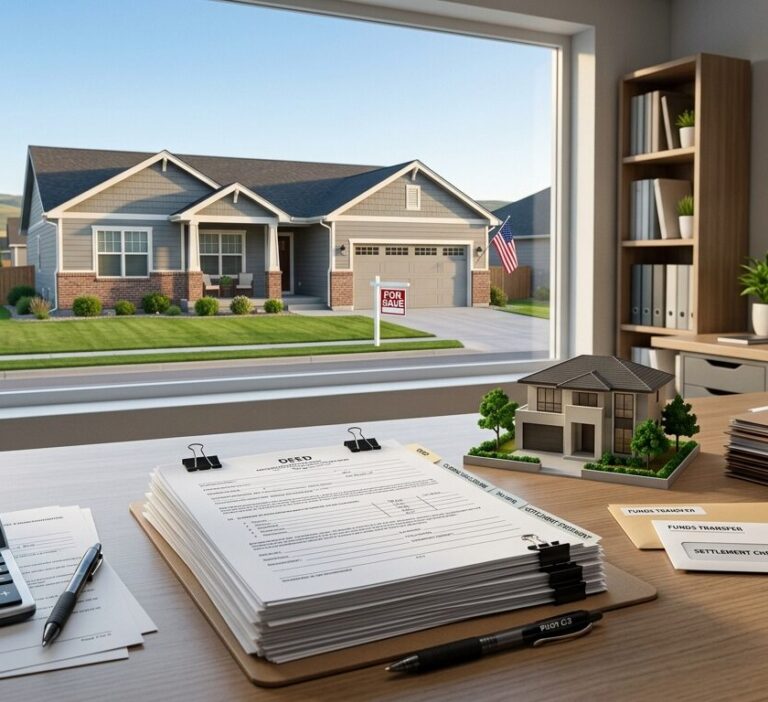
Understanding local property taxes is a critical step for anyone buying, selling, or investing in real estate. In Wyoming, taxes are generally lower than the national average, but there are important differences depending on property type. This guide focuses on Cheyenne WY real estate taxes explained in a clear and practical way so buyers and investors can make informed decisions.
Cheyenne attracts homeowners, business owners, and investors because of its stable economy, affordable housing, and favorable tax structure. Still, residential and commercial properties are taxed differently, and misunderstanding those differences can lead to costly surprises. By breaking down assessments, mill levies, exemptions, and long term impacts, this article helps you understand how real estate taxes work in Cheyenne and what to expect before you commit to a property.
How Property Taxes Work in Cheyenne, Wyoming
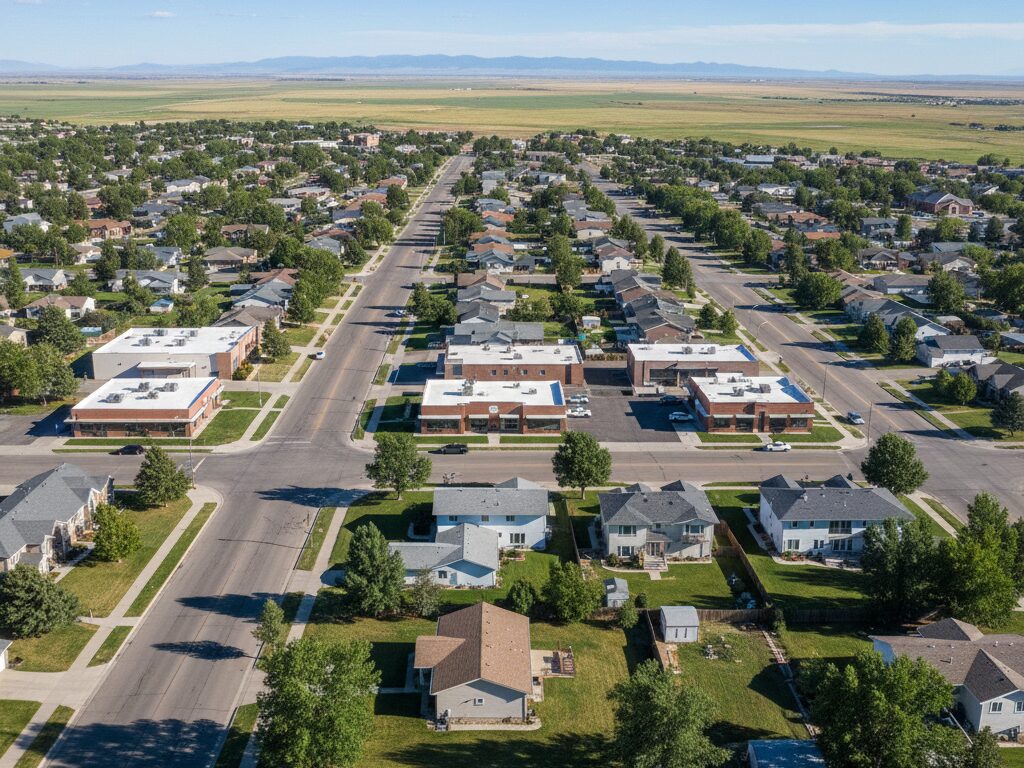
Before comparing residential and commercial taxes, it is important to understand how property taxes are calculated in Laramie County.
Property taxes in Wyoming are based on assessed value rather than full market value. The county assessor determines the market value of a property, then applies an assessment ratio based on the property type. That assessed value is multiplied by the local mill levy to calculate the final tax bill.
This structure is one reason why Cheyenne remains attractive compared to many other states. However, the assessment ratio varies, which is why Cheyenne WY real estate taxes explained requires looking at residential and commercial properties separately.
Market Value vs Assessed Value
Market value is what your property would likely sell for under normal conditions. Assessed value is a percentage of that market value used for taxation purposes.
Wyoming uses different assessment ratios:
- Residential property is assessed at a lower rate
- Commercial property is assessed at a higher rate
This difference significantly impacts annual tax obligations.
Residential Property Taxes in Cheyenne
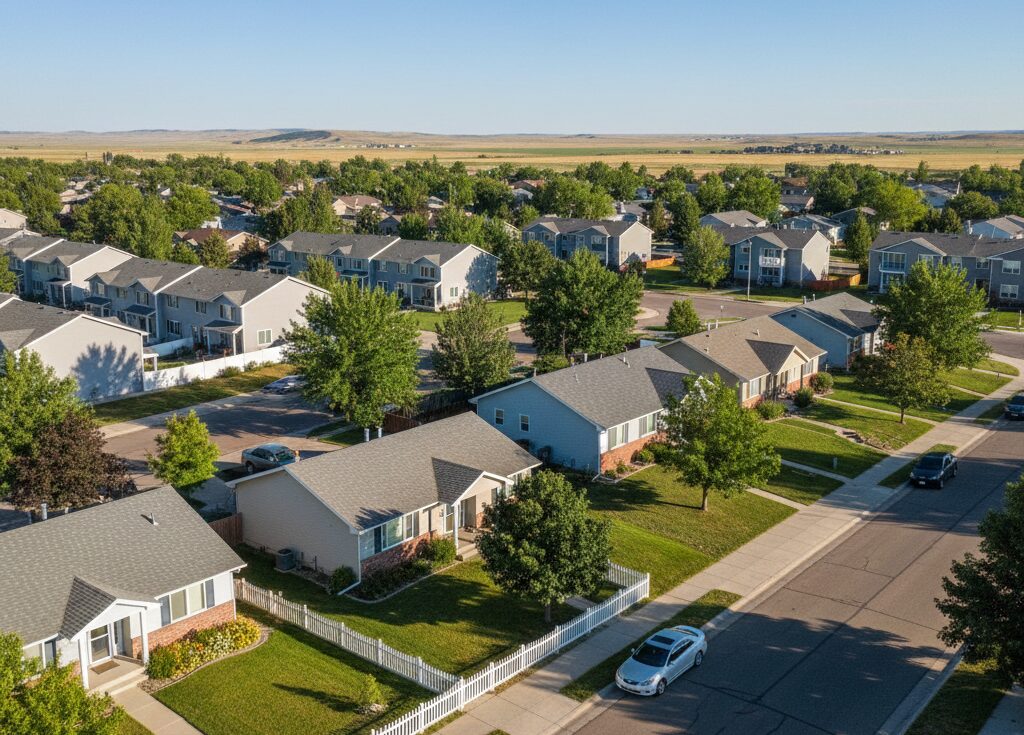
Residential real estate includes single family homes, townhomes, condominiums, and certain small multi unit properties. These properties benefit from Wyoming’s homeowner friendly tax structure.
For residential properties, the assessed value is typically 9.5 percent of the market value. This lower assessment ratio helps keep property taxes affordable for homeowners.
When Cheyenne WY real estate taxes are explained for residential buyers, the key advantage is predictability. Taxes tend to be stable, especially for owner occupied homes.
Homeowners evaluating long term affordability often compare tax rates alongside pricing, which is why many buyers choose to buy residential properties in Cheyenne where lower assessment ratios help keep annual property taxes manageable.
What Homeowners Should Expect
Most homeowners in Cheyenne pay property taxes that are well below national averages. Annual taxes depend on home value, neighborhood, and local mill levies, but many homeowners find taxes manageable even as home values rise.
Buyers interested in homeownership can explore available options when they decide to buy residential properties in Cheyenne, where understanding tax implications is part of the buying process.
Residential Exemptions and Relief
Wyoming does not offer a traditional homestead exemption like some states, but residential owners benefit from the lower assessment ratio. Seniors and disabled homeowners may qualify for additional property tax relief programs, depending on income and residency requirements.
These benefits reinforce why residential ownership remains appealing and why Cheyenne WY real estate taxes explained often highlights advantages for homeowners.
Commercial Property Taxes in Cheyenne
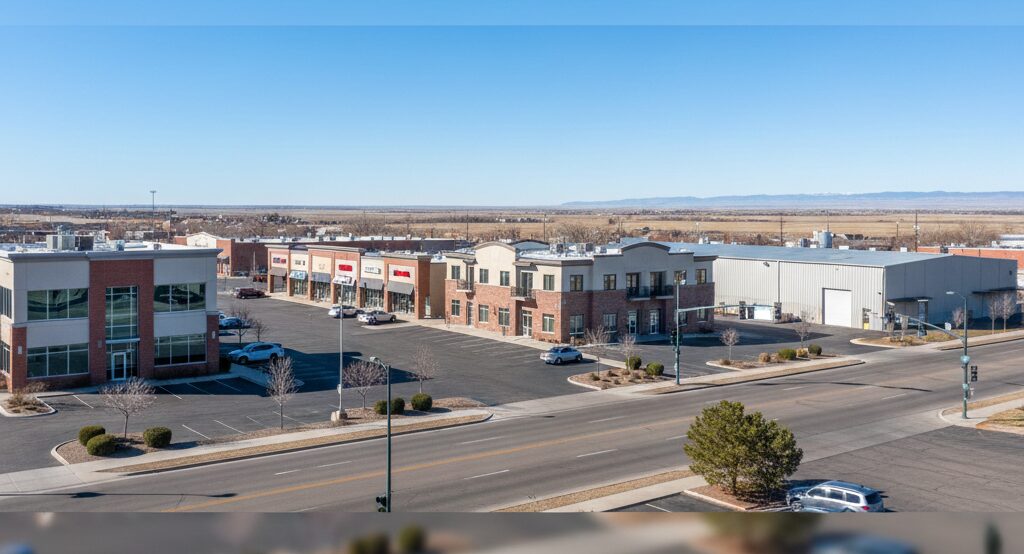
Commercial properties include office buildings, retail spaces, warehouses, industrial facilities, and mixed use properties used primarily for business purposes.
Commercial properties are assessed at 11.5 percent of market value, which is higher than residential property. This higher ratio means businesses generally pay more in property taxes even if the market value is similar to a residential home.
Investors planning for cash flow and operating expenses often factor property taxes early when deciding to buy commercial properties in Cheyenne, since higher assessment ratios directly impact annual returns.
Why Commercial Taxes Are Higher
Commercial properties are viewed as income producing assets. The higher assessment ratio reflects the expectation that businesses generate revenue from the property.
When Cheyenne WY real estate taxes explained for commercial investors, it is important to factor taxes into cash flow calculations. Property taxes can directly affect net operating income.
Investors considering opportunities may want to evaluate options when they buy commercial properties in Cheyenne, where understanding tax structure is essential for long term profitability.
Tax Impact on Business Owners and Investors
Higher property taxes do not necessarily make commercial investments unattractive. Cheyenne’s overall tax environment is still competitive, especially compared to states with higher income or corporate taxes.
However, investors must account for:
- Annual reassessments
- Potential increases tied to property improvements
- Long term operating expenses
Key Differences Between Residential and Commercial Taxes
Understanding the contrast between residential and commercial taxation is central to Cheyenne WY real estate taxes explained clearly and accurately.
Assessment Ratios
Residential properties are assessed at a lower percentage of market value, which leads to lower tax bills. Commercial properties face higher assessments due to their income potential.
Stability vs Variability
Residential taxes tend to be more stable over time. Commercial taxes may fluctuate more based on market conditions, income potential, and property improvements.
Planning Considerations
Homeowners usually plan around predictable annual costs. Commercial investors must incorporate taxes into broader financial strategies, including rent pricing and long term returns.
How Mill Levies Affect Property Taxes
Mill levies are set by local taxing authorities and fund services such as schools, infrastructure, and emergency services. They apply to both residential and commercial properties.
A higher mill levy increases taxes regardless of property type. Understanding current mill levies is a key part of Cheyenne WY real estate taxes explained, especially for buyers comparing neighborhoods or property uses.
Mill levies can vary slightly depending on location within Laramie County, which is why reviewing tax records during due diligence is important.
Property Taxes and Buying Decisions
Property taxes should always be considered alongside purchase price, financing, and long term goals.
For Homebuyers
Residential buyers should review previous tax bills and confirm assessed values before closing. Taxes are usually prorated at closing, but future increases may occur if the property value changes.
If you are planning a move, working with professionals who offer relocation services in Cheyenne can help you understand both housing and tax considerations before buying.
For Investors
Commercial buyers must evaluate taxes as part of operating costs. Higher taxes may be offset by rental income, appreciation, or business advantages.
For both groups, Cheyenne WY real estate taxes explained helps clarify how taxes fit into the overall cost of ownership.
How Property Improvements Affect Taxes
Improvements such as additions, renovations, or changes in use can increase a property’s market value. When reassessed, this can lead to higher taxes.
Residential improvements may result in modest increases, while commercial upgrades can significantly affect assessments due to increased income potential.
Understanding this process is essential when planning renovations or redevelopment projects.
Selling Property and Tax Considerations
Property taxes also matter when selling. Buyers often review tax history during negotiations, and higher taxes may influence perceived value.
Sellers preparing to list may want to understand how taxes compare between residential and commercial properties. Those considering a sale can review guidance on selling residential property in Cheyenne to better prepare for buyer questions and disclosures.
Clear tax records and transparency help facilitate smoother transactions.
Understanding tax history and current assessments is especially important when selling residential property in Cheyenne, as buyers often review tax records during due diligence.
Long Term Outlook for Property Taxes in Cheyenne
Cheyenne’s tax environment remains stable, supported by conservative fiscal policies and steady growth. While mill levies and assessments may change over time, dramatic increases are uncommon.
This stability reinforces why Cheyenne WY real estate taxes explained often emphasizes predictability as a major benefit for homeowners and investors alike.
Population growth, infrastructure needs, and economic development will influence future tax trends, but Wyoming’s overall approach favors moderation.
Common Tax Mistakes to Avoid
Misunderstanding assessment ratios
Failing to review prior tax bills
Ignoring how improvements affect value
Assuming residential and commercial taxes are similar
Avoiding these mistakes helps protect your investment and supports better financial planning.
FAQs
Are property taxes higher in Cheyenne compared to other Wyoming cities?
Cheyenne’s taxes are comparable to other cities in Wyoming and remain below national averages.
Do commercial properties always pay more taxes than residential properties?
Yes, commercial properties are assessed at a higher ratio, resulting in higher taxes in most cases.
Can property taxes increase after purchase?
Yes, reassessments, market changes, or improvements can lead to higher taxes.
Are there tax breaks for first time buyers in Cheyenne?
Wyoming does not offer specific first time buyer tax exemptions, but residential assessment rates remain favorable.
How can buyers estimate future property taxes?
Review current assessments, mill levies, and consult local real estate professionals for guidance.
Conclusion
Understanding property taxes is essential before buying or investing in real estate. With Cheyenne WY real estate taxes explained clearly, buyers can see how residential and commercial properties differ and why those differences matter.
Residential owners benefit from lower assessment ratios and stable taxes, while commercial investors must plan carefully for higher assessments tied to income potential. By reviewing assessments, mill levies, and long term trends, you can make confident decisions that align with your financial goals.
Whether you are buying your first home or expanding an investment portfolio, a solid understanding of Cheyenne’s property tax structure helps ensure smarter, more informed real estate choices.