The Cheyenne, Wyoming, real estate market continues to capture attention in 2025, offering an impressive balance of affordability, lifestyle, and investment potential. With its growing population, stable economy, and expanding development projects, Cheyenne has become one of the most promising real estate hubs in the Mountain West region.
Whether you’re a buyer, seller, or investor, understanding the property trends in Cheyenne WY is essential to making informed decisions. From pricing and inventory shifts to evolving buyer behavior, this comprehensive guide explores what’s driving the market this year.
1. A Year of Balanced Growth and Renewed Confidence
After several years of nationwide housing fluctuations, Cheyenne’s property market is showing signs of steady growth. Prices are increasing moderately, around 3% to 5% year-over-year, which signals both strong demand and sustainable market health.
Local experts attribute this balanced growth to Wyoming’s low property taxes, affordable cost of living, and increasing migration from nearby states like Colorado. Families and professionals seeking value and open space continue to move north, keeping housing demand consistent.
Across suburban neighborhoods and new developments, the market remains competitive without the extreme bidding wars of previous years. Buyers who monitor listings under Buy Residential Properties are finding attractive deals with long-term appreciation potential.
2. Rising Interest in Land Investment
One of the most notable property trends in Cheyenne WY, this year is the growing interest in raw and developed land. As available housing inventory remains limited, investors are turning to land purchases for future development or resale opportunities.
Cheyenne’s outskirts are seeing an increase in small-acreage and agricultural property sales, as buyers seek both lifestyle flexibility and investment potential. Land parcels near new infrastructure projects are particularly attractive, offering strong appreciation forecasts.
You can explore available opportunities and zoning options through the Land for Sale listings, which highlight parcels across Laramie County and surrounding rural areas.
3. Population Growth and Relocation Trends
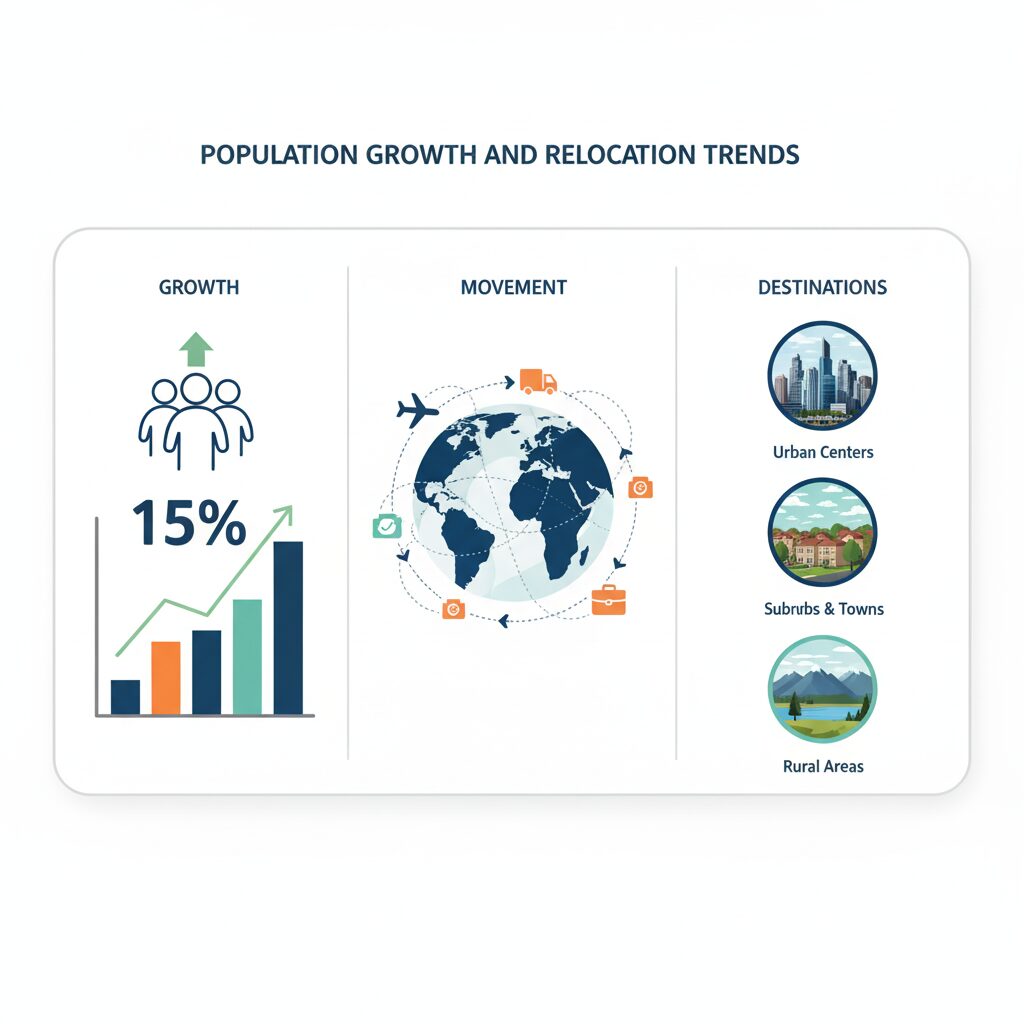
Cheyenne’s appeal continues to expand beyond Wyoming’s borders. Professionals from Colorado, Nebraska, and Utah are relocating to the region for its lower cost of living and quality of life.
The relocation trend is being supported by improvements in broadband access and a hybrid work culture, which allow more people to settle outside metropolitan areas while maintaining high-paying remote jobs.
For those planning a move, the Relocation Services guides everything from moving logistics to local market orientation. This service has become increasingly valuable as out-of-state buyers make up nearly 30% of all home purchases in the area.
4. Housing Supply: New Construction on the Rise
Inventory challenges have long defined Cheyenne’s real estate scene, but 2025 is seeing positive changes. Several new construction projects are underway, particularly on the city’s west and north sides.
Developers are focusing on modern, energy-efficient homes with features that appeal to younger families—open floor plans, smart home integrations, and outdoor living spaces. These additions are helping balance supply and demand, keeping pricing steady while meeting lifestyle preferences.
While single-family homes remain the dominant property type, there’s also a gradual uptick in mixed-use developments and townhome projects catering to professionals seeking low-maintenance living.
5. Shifts in Buyer Preferences
Today’s buyers are more informed and selective than ever. Among the key property trends in Cheyenne WY, lifestyle-driven purchasing is one of the most defining.
Buyers are prioritizing:
- Energy efficiency and sustainability: Homes with better insulation, solar-ready roofs, and water-saving features attract more attention.
- Space and comfort: The pandemic shifted preferences toward larger homes with dedicated offices and outdoor areas.
- Proximity to community amenities: Access to schools, parks, and retail centers remains crucial for families.
Additionally, remote workers are fueling interest in semi-rural properties that offer tranquility without sacrificing accessibility.
6. The Return of First-Time Buyers
Another major trend shaping Cheyenne’s 2025 market is the resurgence of first-time buyers. After facing high mortgage rates and competitive bidding in recent years, many are returning to the market as rates stabilize and financing programs expand.
Local banks and credit unions are offering flexible loan options, while statewide programs assist with down payments and closing costs. This influx of new homeowners is adding healthy momentum to the market and driving demand for entry-level homes.
As a result, neighborhoods offering affordability and community appeal, such as Western Hills, Anderson Heights, and Sun Valley, are seeing increased interest and activity.
7. Economic and Employment Growth Supporting Real Estate
Cheyenne’s economy is a key factor behind its real estate success. Government institutions, healthcare, education, and logistics continue to anchor the job market, providing steady employment opportunities.
Additionally, the expansion of industrial parks and small-business startups has diversified the local economy. More professionals moving in for work translates to greater demand for both housing and rental properties.
This ongoing job stability reinforces the confidence of both homebuyers and real estate investors.
8. Rental Market: Consistent Demand and Strong Yields
The rental sector in Cheyenne remains robust in 2025. With continued migration and limited rental supply, landlords are seeing healthy occupancy rates and reliable returns.
Average rental prices have increased by about 6% year-over-year, particularly for single-family homes. Demand from relocating professionals and young families continues to sustain the market’s momentum.
Investors exploring Cheyenne’s property scene view long-term rentals as a steady, low-risk option compared to more volatile metropolitan markets.
9. Land Development and Zoning Updates
Cheyenne’s city planners are actively working on expanding residential zones and improving infrastructure to accommodate growth.
New road extensions, improved public utilities, and commercial expansions are expected to enhance property values in developing areas. The city’s balanced approach to zoning ensures that urban sprawl remains controlled, preserving Cheyenne’s charm while supporting modernization.
Land near future highway expansions and commercial hubs is especially appealing to developers looking ahead to 2026–2027.
10. The Influence of Technology in Real Estate Transactions
Technology continues to reshape how people buy and sell homes in Cheyenne. Virtual tours, drone photography, and AI-driven pricing tools have become standard in the buying process.
Agents and buyers are also leveraging online platforms for faster property discovery and negotiation. This digital transformation has made the market more transparent and efficient, giving both local and remote buyers a better experience.
As younger, tech-savvy buyers enter the market, this digital momentum is expected to accelerate through the next few years.
11. Investment Opportunities: Stability Over Speculation
Investors are taking a long-term approach in Cheyenne. Instead of speculative flipping, many are focusing on buy-and-hold strategies, especially for land and single-family rentals.
The region’s affordability and economic stability make it an appealing market for passive income and gradual appreciation. Unlike larger Western cities, Cheyenne avoids extreme volatility, providing a safe haven for steady growth.
Those evaluating land as part of their portfolio can explore options under the Land for Sale listings to identify parcels suitable for development or long-term investment.
12. What Sellers Should Know in 2025
While demand remains strong, today’s sellers need to be strategic. Homes that are move-in ready and well-staged sell fastest. Neutral décor, modern updates, and energy-efficient improvements can significantly increase appeal.
Pricing remains critical—overpricing can cause listings to stagnate even in a seller-leaning market. Many homeowners are turning to professional consultations to position their properties competitively.
Those planning to relocate after selling can take advantage of tailored assistance through the Relocation Services page, designed to make the transition smoother and stress-free.
13. Future Forecast: What to Expect Beyond 2025
The property trends in Cheyenne WY suggest a strong, sustainable outlook extending beyond this year. Market analysts predict continued population growth, ongoing development, and stable price appreciation through 2026.
Cheyenne’s emphasis on livability and infrastructure investment ensures that housing remains both desirable and accessible. As construction catches up with demand, price growth is expected to level off slightly, offering new opportunities for buyers and investors.
Overall, the city is on track for a long-term upward trajectory, marked by balanced growth rather than rapid speculation.
Conclusion
Cheyenne’s 2025 real estate market presents a rare blend of affordability, stability, and opportunity. Whether you’re seeking a new home, exploring land investments, or relocating from another state, the city’s evolving property trends make it a rewarding destination.
With strategic planning, local insights, and awareness of property trends in Cheyenne WY, both buyers and investors can capitalize on this year’s promising market landscape.
Cheyenne continues to stand out as a city where modern growth meets small-town charm, making it one of the most appealing places in the Mountain West to build your real estate future.
FAQs
1. How are property prices changing in Cheyenne in 2025?
Prices are rising moderately, averaging 3–5% annual growth, reflecting strong demand and a stable local economy.
2. Is Cheyenne still affordable compared to nearby Colorado?
Yes. Cheyenne remains far more affordable than Northern Colorado cities, making it attractive to both local and out-of-state buyers.
3. Are more people moving to Cheyenne in 2025?
Absolutely. Relocations from Colorado and Nebraska are increasing due to Cheyenne’s cost advantages and growing job opportunities.
4. What types of properties are most popular this year?
Single-family homes and small acreage lots dominate buyer interest, while modern energy-efficient designs continue to rise in popularity.